
Europe’s investment landscape has changed considerably over the past decade. Traditional stocks and bonds remain central to many portfolios, but investors are increasingly looking beyond public markets for opportunities that offer different sources of return, diversification, and exposure to long-term economic trends.
Alternative investments cover a wide range of assets, including private equity, private credit, infrastructure, real estate, and other privately held investments. Their continued expansion across Europe reflects changes in investor priorities as well as the financing needs of businesses and major projects, but what else is driving this growth?
Investors Are Seeking Greater Diversification
Diversification has long been a fundamental principle of investing. However, periods of market volatility and economic uncertainty have encouraged investors to consider whether traditional portfolios provide enough variety. Alternative assets can give investors exposure to areas that behave differently from publicly traded stocks and bonds.
Infrastructure, for example, can provide access to essential physical and digital assets, while private equity allows investors to participate in businesses outside public stock exchanges. Private credit has also emerged as another source of corporate financing, giving investors access to lending opportunities that would traditionally have been associated primarily with banks.
Private Markets Are Becoming More Established
Another factor is the increasing maturity of Europe’s private markets. Alternative investments were once regarded as relatively specialized areas of finance. Today, they form part of the strategies of many institutional investors and asset managers.
As the sector has expanded, so has the operational framework surrounding it. Fund structures can span multiple jurisdictions and involve complex reporting requirements, risk oversight, and regulatory obligations. Managers operating within Europe may consequently use specialist outsourced AIFM services as one component of managing these responsibilities. This growing infrastructure is helping private markets accommodate larger and increasingly sophisticated pools of capital.
Long-Term Trends Are Creating Opportunities
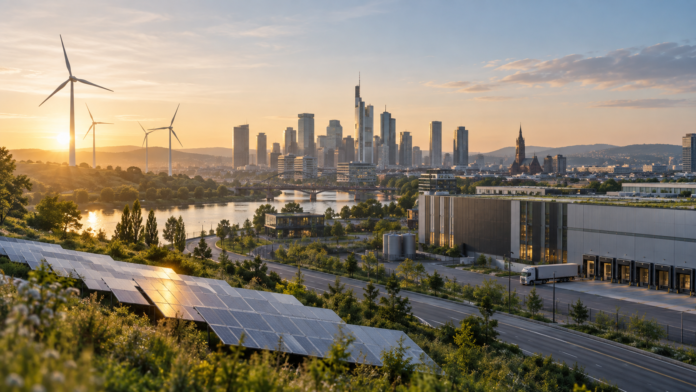
Many alternative investments are closely connected to structural changes taking place across Europe. The energy transition is one example. Renewable power generation, energy storage, electricity networks, and related infrastructure all require significant amounts of long-term capital. Digitalization is another investment area worth noting, involving data centers, fiber networks, and other digital infrastructure that connected services rely on heavily. Demographic changes, housing needs, and the modernization of transport and public infrastructure are among other potential opportunities for private capital.
Businesses Are Looking Beyond Traditional Finance
The growth of alternative investment is not being driven solely by investors. Companies themselves are exploring a wider range of financing options. Private equity can provide capital for expansion or acquisitions, while private credit can offer an alternative to conventional bank lending. For some businesses, these arrangements may provide financing structures better suited to their circumstances or long-term objectives.
An Evolving European Investment Landscape
Alternative investments come with their own risks. Assets can be less liquid than publicly traded securities, valuations may be more complex, and investors must consider regulatory, operational, and economic factors.
Even with those considerations, alternatives have become an increasingly established part of European finance. Demand for diversification, changing corporate financing needs, and investment in major economic transitions are all contributing to their growth.
Rather than replacing traditional markets, alternatives are expanding the range of options available. As Europe’s economy continues to evolve, private capital is likely to remain an important part of how businesses, infrastructure, and long-term projects are financed.