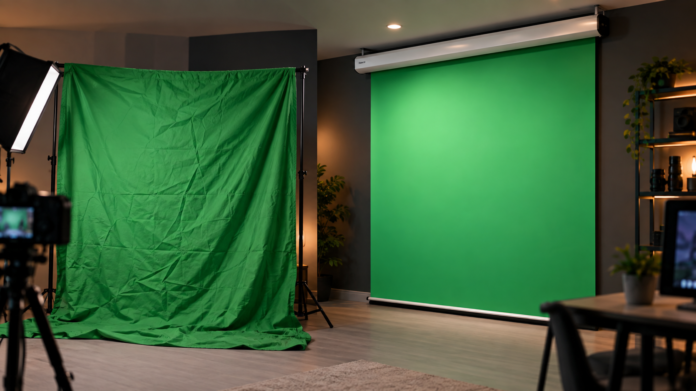

Fabric green screens have long been the default choice for creators experimenting with keying and virtual backgrounds. They are cheap, easy to find, and technically functional. Yet anyone who has spent an afternoon steaming out wrinkles, chasing shadows caused by uneven tension, or wrestling with a sagging middle knows that the cheap route often becomes the expensive one when time is factored in. There is a better answer sitting in plain sight, and it deserves a serious look from anyone who keys regularly.
Retractable pull down green screens have quietly become the preferred setup for streamers, YouTubers, and small production studios. The reason is not glamour. It is that they solve the practical problems that fabric introduces, disappear into the ceiling when not in use, and deliver consistent surface tension every single time you extend them. If you value clean edges, fast setup, and a studio that looks professional instead of cluttered, the shift from fabric to a proper retractable system is one of the most impactful upgrades you can make.
The Real Problem with Traditional Fabric Green Screens
Fabric backgrounds seem cheap and simple, but they create hidden costs that compound over months of use. A quality pull down green screen replaces those daily headaches with a mechanism that just works. Wrinkles become a distant memory because the screen tensions itself as it descends. Uneven lighting caused by fabric folds disappears because the surface stays completely flat. Storage vanishes as a concern because the entire unit retracts into a compact housing when the shoot ends. These are not minor conveniences. They are the difference between spending your creative energy on content or on gear maintenance.
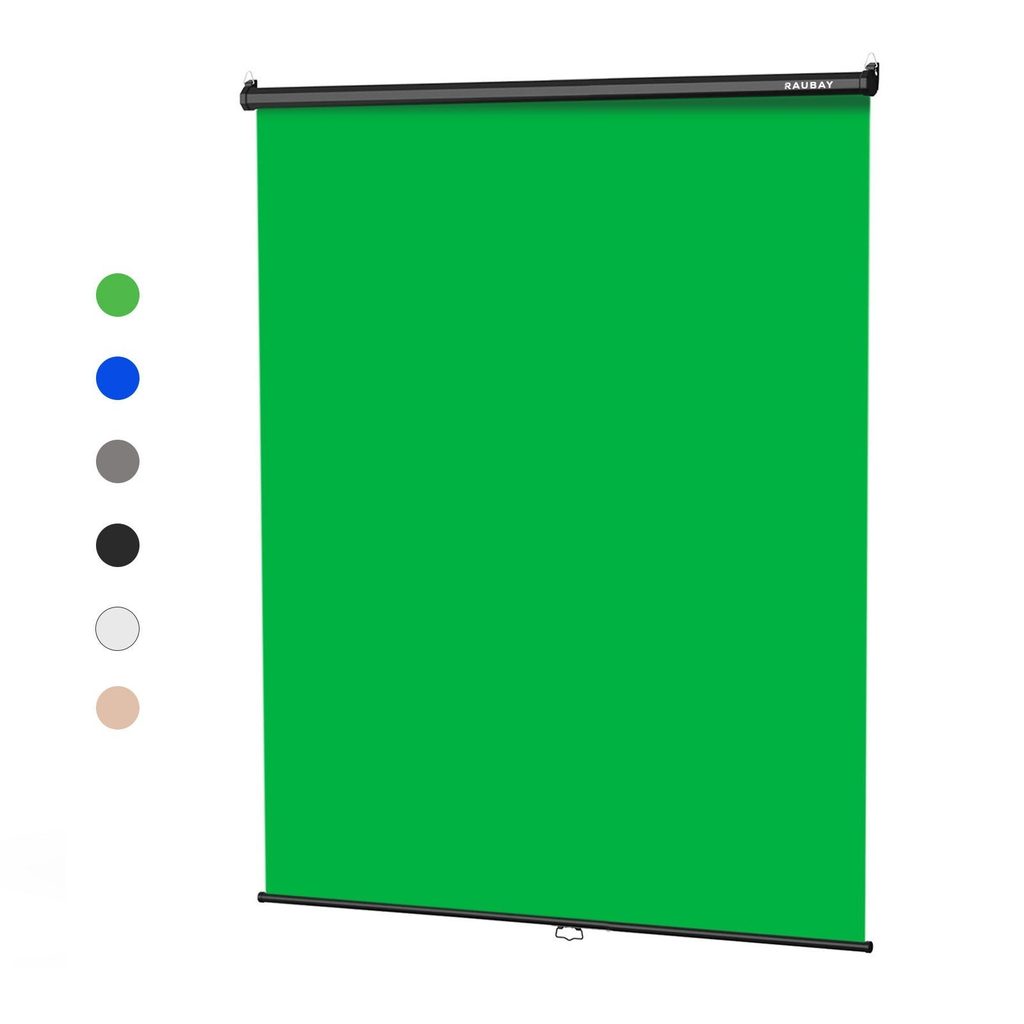
Wrinkles Kill Keying Quality
Chroma key software works by isolating a specific green tone and treating it as transparent. Any variation in that tone, whether from a wrinkle, a shadow, or an uneven fabric weave, creates edge problems that appear as halos, flickers, or torn silhouettes around your subject. Fabric screens introduce all three sources of variation, which forces creators to spend hours in post-production cleaning up what should have been a clean key. A tensioned pull-down surface eliminates the source of the problem rather than treating it afterward.
Storage and Setup Times Add Up
A fabric screen on a stand takes real space and real time. You unfold it, level the crossbar, clamp the material, steam out wrinkles, and hope nothing shifts before the shoot ends. A retractable unit mounts once, either to a wall or ceiling, and thereafter deploys in seconds. Over the course of a year, that saved setup time equals dozens of hours you can put toward creating rather than preparing.
How Retractable Systems Actually Work
The mechanism behind a pull-down screen is simple but well-engineered. A spring-loaded roller inside a metal housing holds the screen material under constant tension. When you pull the bottom bar down, the roller feeds out material at a controlled rate. When you release the lock, the same tension retracts it smoothly back into the housing. The result is a screen that hangs perfectly flat every time, without any manual adjustment.
Manual Pull-Down Versus Motorized Options
Basic pull-down units operate entirely by hand, which keeps them affordable and reliable because there are no motors to fail. For most creators, this is more than sufficient. Motorized versions add remote control and are useful for wall installations at heights that are awkward to reach or for setups that need to switch between deployed and retracted states frequently during a single session.
Mounting Choices for Different Studio Layouts
Ceiling mounting keeps the unit completely out of sight when retracted and works well in dedicated studios with sufficient ceiling height. Wall mounting is easier to install and better for spaces with lower ceilings or existing framing that limits ceiling options. Some units include universal brackets that support both orientations, giving you flexibility if your studio layout evolves over time.
Lighting a Retractable Green Screen for Perfect Keys
The screen is only half the equation. Even a perfectly flat surface will produce mediocre keys if the lighting is wrong. The rule most professionals follow is to light the screen and the subject as separate problems. The screen needs even illumination across its entire visible area, which usually means two lights positioned at forty-five degree angles to the screen, one on each side, matched in intensity. The subject needs their own front lighting that does not spill onto the screen.
Placement distance matters more than most beginners realize. Standing too close to a green screen causes green spill onto skin and clothing, which then keys out along with the background. Keeping at least four feet of separation between subject and screen prevents most spill issues and gives you room for a proper backlight if you want to further separate the subject from the background. Raubay-style retractable screens make this workflow easier because the flat surface reflects light predictably, which is much harder to achieve with rippled fabric.
Choosing the Right Screen Size for Your Space
Size selection comes down to two factors: how much of the frame the screen needs to cover, and how much room you have to install it. A common mistake is buying the largest screen available, only to discover that it does not fit the intended mounting location or that it is oversized for a webcam-style single-person setup. Consider the practical checkpoints before ordering:
- Frame width at your typical shooting distance and lens focal length
- Available mounting space above the intended deployment area
- Whether multiple people or props need to appear on screen together
- Ceiling clearance if you plan to mount overhead
The Upgrade That Pays for Itself Quickly
Moving from a fabric green screen to a retractable system is one of those upgrades that feels indulgent right up until the first shoot with the new gear. Then it becomes obvious that the old workflow was silently taxing every session with wrinkles, adjustments, and post-production cleanup. The right pull-down screen mounts once, deploys in seconds, and delivers consistent keying results shoot after shoot. For creators who key regularly, whether for content, virtual meetings, or client work, this is not luxury equipment. It is production infrastructure that quietly earns its place by removing friction you did not realize was slowing you down. Once installed, you rarely think about it again, which is exactly the point.