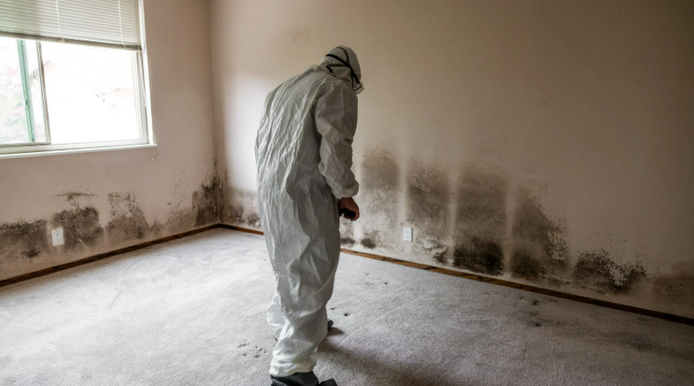

Certification is the closest thing to a quality guarantee available in a field that Georgia does not separately license. Anyone can advertise remediation here, which puts the burden of verification on the property owner and makes certified mold treatment by Pure Home worth understanding in practical terms rather than as a marketing badge. What the credential actually changes is the method: how a work area is isolated, which materials are removed instead of cleaned, and whether anyone confirms the result.
A Defined Standard in Place of Guesswork
Certified technicians work to the IICRC S520 standard, which specifies how contamination is assessed, contained, removed, and verified rather than leaving each decision to whoever holds the respirator. The standard distinguishes between materials that can be cleaned and porous materials that must be discarded, a line that uncertified operators frequently blur by treating drywall and insulation as salvageable. It also establishes when an independent assessment is warranted and when clearance testing should be performed. Following a documented protocol produces consistent outcomes across different crews and different buildings, which an untrained approach cannot deliver.
Containment That Protects the Rest of the Property
The largest avoidable risk during removal is spreading contamination into clean areas. Certified work builds sealed containment around the affected zone, runs negative air pressure so airflow moves inward, filters exhaust through HEPA units, and isolates the HVAC system so ductwork does not distribute spores through the building. In a commercial property this determines whether operations continue in unaffected suites or the entire floor closes. In a home it decides whether the problem stays in one bathroom or reaches bedrooms that were never involved, which is the difference between a short project and a whole building scope.
Targeted Work in the Highest Risk Spaces
Some areas concentrate moisture and demand specialized handling, and below grade spaces top the list. Certified Pure Home crawl space mold removal addresses bare earth releasing moisture, vented designs pulling humid summer air across cool surfaces, and the saturated joists and insulation that result, all of which sit directly beneath the living space and affect the air above. Treating a crawl space to standard means correcting the ground moisture and ventilation rather than wiping visible growth, since the conditions there regenerate contamination faster than almost anywhere else in a building.
Health Protection for Occupants and Staff
Exposure drives the health consequences, and certified handling limits it in both directions. Trained crews use respiratory protection and disposal procedures that keep airborne concentrations controlled during the highest risk phase of the work. That matters most for infants, older adults, people managing asthma, and anyone immunocompromised, groups for whom a temporary spike in airborne spores carries genuine consequences. In workplaces, schools, and medical facilities the same discipline protects populations a property owner has an obligation toward, not merely a preference to accommodate.
Documentation, Insurance, and Legal Standing
Certified projects generate records that carry weight outside the job itself. Moisture readings, containment photographs, itemized scopes, and post remediation clearance testing form the evidence insurers require before paying a claim, and their absence is a frequent reason valid claims fail. Georgia sellers must disclose known material defects, and clearance documentation demonstrates a condition was properly resolved rather than concealed. Commercial owners face further exposure through tenant claims and habitability obligations, where a certified record of the work performed is often the deciding factor.
Conclusion
The value of certification lies in what it prevents. A defined standard removes improvisation from decisions about which materials survive, containment keeps a contained problem from becoming a building wide one, and verification testing establishes that a space is genuinely safe rather than merely repainted. The records generated along the way determine how an insurer responds and how the property holds up under later scrutiny. For residential and commercial owners alike, credentialed work costs less across the life of the building than repeating an uncertified attempt.