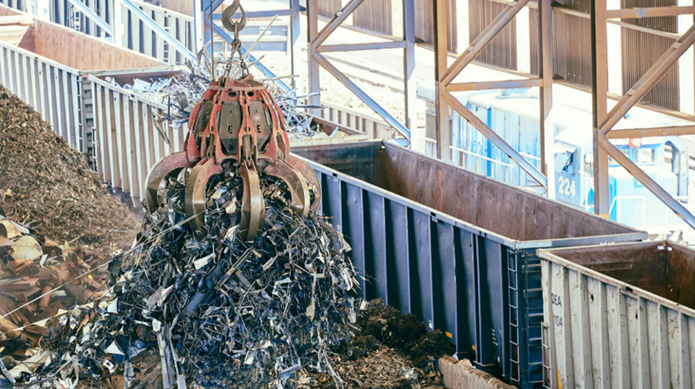

Most facilities already produce recoverable metal in volume, and what separates a productive program from a disorganized one is structure rather than tonnage. Companies that formalize scrap metal recycling by Taylor’s Scrapyard and Metal Recycling into a defined process tend to see cleaner grades, fewer disruptions on the floor, and settlement figures that stop swinging unpredictably from load to load. Building that structure takes a few deliberate decisions at the outset rather than a large investment, and the improvements hold once the habits are established across a shift.
Measure What the Operation Actually Produces
Programs designed on assumptions tend to fail quietly. A week of tracking what leaves each department, and roughly what it weighs, gives Taylor’s Scrapyard and Metal Recycling and the operation a usable baseline in place of guesswork. A machine shop turning aluminum chips has entirely different needs from a fabrication floor cutting plate steel or an electrical contractor accumulating wire. Container sizing, rotation frequency, and separation equipment all follow from that measurement. Without it, companies routinely rent boxes too large for their output and pay for capacity that sits half empty between pickups.
Separate at the Workstation, Not at the Gate
The cheapest point of separation is the moment material is created, when the operator handling it already knows exactly what it is. Labeled containers positioned at cutting stations, service bays, and teardown areas capture metal correctly the first time. Sorting later means unloading a commingled pile, spreading it out, and re-handling every piece, which consumes labor on both ends. Mixed loads also price at the lowest applicable grade, so the effort saved by tossing everything into one bin is recovered several times over when Taylor’s Scrapyard and Metal Recycling weighs it at the scale.
Train Staff on Grade Distinctions
Separation only works when the people doing it can tell categories apart. Copper splits into several grades running from bare bright wire down through tubing carrying oxidation or attached fittings. Aluminum divides between clean extrusion, cast pieces, and painted material. An afternoon spent walking a crew through those distinctions, backed by marked bins and a posted reference chart, applies to every load shipped afterward. The team at Taylor’s Scrapyard and Metal Recycling sees the cleanest loads arrive from operations that have made this training routine.
Build Handling Into the Daily Routine
Programs collapse when metal handling depends on someone remembering it. Assigning container checks to a specific role, tied to shift changeover or end-of-week cleanup, keeps material moving without anyone having to raise it as an issue. Working with Taylor’s Scrapyard and Metal Recycling on a scheduled rotation, alongside maintenance and housekeeping, avoids the pattern of long quiet stretches followed by a scramble to clear an aisle. Routine also produces consistent volumes, which makes pickup scheduling far easier to plan around from one week to the next.
Keep Records That Support Decisions
Weight tickets and grade breakdowns are worth more than the file space they occupy. Reviewed quarterly, they reveal which departments generate the most recoverable material, whether separation quality is improving, and how recovered value compares against handling costs. That record also supports customer documentation requirements without anyone reconstructing figures from scattered receipts. Operations handling proprietary components can request destruction verification confirming that scrapped parts cannot re-enter the market through a secondary channel.
Conclusion
An efficient program comes down to four things done consistently: measure real output, separate where material is made, teach the crew what the categories mean, and keep the handling on a schedule instead of leaving it to chance. None of it requires unusual equipment or a dedicated position. What it requires is deciding the process once and holding to it, at which point the operation stops treating recoverable metal as clutter and starts treating it as a predictable, more profitable part of the week.