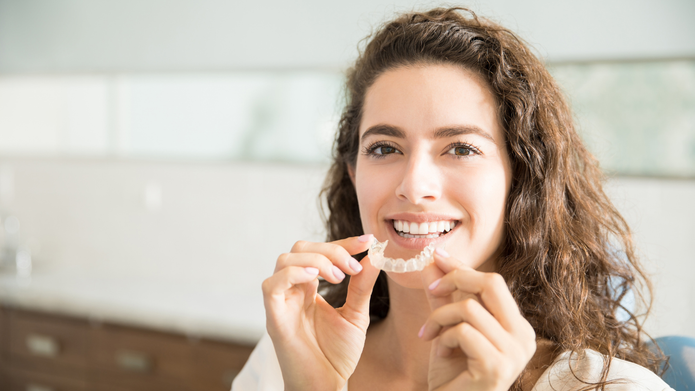

Finishing Invisalign treatment can be an exciting milestone. After wearing a series of clear aligners, you may be ready to move on from active orthodontic treatment. However, completing the final aligner does not mean your teeth will automatically remain in the same position forever.
Teeth can change position over time for several reasons. Changes in the tissues around the teeth, normal biting forces, ageing, tooth loss, and other dental conditions may affect tooth position.
Retainers are commonly used after orthodontic treatment to help maintain the position of the teeth. Your dentist or orthodontic professional can recommend a retainer plan based on your treatment and individual dental needs.
What Are Retainers?
Retainers are dental appliances used after orthodontic treatment to help maintain the position of the teeth. They may be removable or fixed, depending on the patient’s situation.
Removable retainers can be taken out for eating and cleaning. Fixed retainers are attached to the back surfaces of selected teeth and generally remain in place unless they are removed by a dental professional.
The type of retainer used can depend on factors such as the treatment plan, tooth positions, and the professional’s assessment.
How Retainers Work
After orthodontic treatment, the tissues around the teeth can continue to change. Retainers are used during this stage to help maintain the position of the teeth.
A retainer does not actively move teeth in the same way as an aligner used during orthodontic treatment. Instead, it is generally used to help hold the teeth in their planned positions.
Your dental professional can explain how your retainer should fit and how often you should wear it.
Why Teeth Can Move After Invisalign
Teeth are supported by tissues and bone within the mouth. These structures can change over time, and teeth are exposed to normal forces from biting and chewing.
As a result, some changes in tooth position can occur after orthodontic treatment.
Natural Changes in Tooth Position
Small changes in tooth position can occur throughout life. Ageing, tooth loss, gum conditions, normal biting forces, and other dental changes may contribute to movement.
This is one reason retainers are commonly included in post-orthodontic care.
A retainer cannot be described as a guarantee against all future tooth movement. However, wearing it according to your dental professional’s instructions can form part of a plan to maintain the position of your teeth.
Why Retainers Are Part of Post-Treatment Care
Invisalign treatment focuses on moving teeth according to a planned orthodontic approach. Once active tooth movement is complete, the focus generally changes to maintaining the position of the teeth.
Retainers are commonly used during this stage.
For people considering or completing invisalign nyc treatment, it can be helpful to ask their dental professional about the retainer plan before finishing the final aligner.
What Happens Without Regular Retainer Use?
If a removable retainer is not worn as directed, the teeth may begin to shift. The amount and timing of any movement can vary between individuals.
A retainer that was previously comfortable may also feel tighter if the teeth have changed position.
If you have stopped wearing your retainer and it no longer fits properly, do not force it into place. Contact your dentist or orthodontic professional for advice.
Types of Retainers
There are different types of retainers, and each has different features.
Common options include removable clear retainers, removable retainers made from acrylic and wire, and fixed retainers attached behind selected teeth.
Clear Removable Retainers
Clear retainers can look similar to clear aligners. They are made to fit over the teeth and can be removed by the patient.
Because they are removable, patients need to remember to wear and store them according to their dental professional’s instructions.
They should also be cleaned as recommended.
Fixed Retainers
A fixed retainer is attached to the back of selected teeth. Because it remains in place, patients do not need to remove and replace it as they would with a removable retainer.
However, fixed retainers still require cleaning and regular dental checks. Food and plaque can collect around the wire if the area is difficult to clean.
A dentist or dental hygienist can show you how to clean around the retainer.
How Long Do You Need to Wear a Retainer?
There is no single wearing schedule that applies to every patient.
Some people may be instructed to wear their retainer more frequently at first and then follow a different schedule later. Others may receive different instructions based on their orthodontic treatment and dental needs.
Following Your Retainer Schedule
Your dental professional should explain when and how often to wear your retainer.
Do not change the schedule on your own simply because your teeth appear stable. You may not notice small changes in tooth position immediately.
If you are unsure about your wearing schedule, ask your dentist or orthodontic professional.
What If Your Retainer Feels Tight?
A retainer may feel different if it has not been worn for a period of time. A tight feeling can sometimes indicate that the teeth have changed position.
However, tightness or discomfort can have different causes.
Do not force a retainer onto your teeth if it does not fit properly. Contact your dental professional and explain what has happened.
They can assess the situation and advise you about the appropriate next step.
Caring for Your Retainer
Proper care can help keep a removable retainer clean and in usable condition.
Follow the cleaning instructions provided by your dental professional. Avoid using very hot water unless specifically instructed, as heat may affect some retainer materials.
Storing Your Retainer
When your retainer is not being worn, keep it in its protective case.
Leaving a retainer on a table, wrapped in a tissue, or in another exposed location can increase the chance of losing or damaging it.
Keep the case somewhere you can easily find it, especially when travelling or eating away from home.
Keeping Retainers Away From Pets
Pets may be attracted to dental appliances. A retainer left within reach can be damaged if a pet chews it.
Keeping the retainer in its case and storing it somewhere secure can help reduce this risk.
Cleaning Your Teeth and Retainer
Retainer care should be combined with regular oral hygiene.
Continue brushing your teeth twice a day with fluoride toothpaste and cleaning between your teeth according to your dental professional’s recommendations.
Your retainer should also be cleaned using the method recommended for its material.
Why Cleaning Matters
Food particles and plaque can collect on dental appliances. Keeping a removable retainer clean is part of maintaining good oral hygiene while wearing it.
If you have a fixed retainer, cleaning around the wire may require additional care.
Ask your dentist or dental hygienist to demonstrate suitable cleaning techniques if you are unsure.
Retainers and Your Daily Lifestyle
A retainer needs to fit into your normal routine. Work, school, travel, meals, sports, and social activities can all affect how easy it is to remember your retainer.
Creating a regular habit may make daily care easier.
For example, you might keep your retainer case beside your toothbrush or another item you use every day.
Travelling With Your Retainer
Take your retainer and case with you when travelling if your dental professional has instructed you to continue wearing it.
Avoid placing the retainer somewhere it could be lost or damaged during the trip.
If you are travelling for a long period, ask your dental professional whether you need any additional instructions before leaving.
What Happens If You Lose or Damage Your Retainer?
Removable retainers can sometimes be lost or damaged. This may happen at a restaurant, during travel, or while the retainer is being cleaned.
If this happens, contact your dentist or orthodontic professional.
They may need to assess whether a replacement retainer is appropriate. Depending on how long the retainer has been missing and whether the teeth have changed position, they may provide different instructions.
Do not assume that an old retainer is suitable for continued use if it has become damaged or changed shape.
Regular Dental Visits After Invisalign
Completing orthodontic treatment does not replace regular dental care.
Routine dental appointments allow your dentist to check your teeth, gums, and any dental appliances you use.
Your dentist may also examine a fixed retainer for signs of damage or check a removable retainer if you have concerns about its fit.
When to Contact Your Dentist
You should contact your dental professional if you notice:
- Your retainer no longer fits properly
- Your retainer has cracked or changed shape
- A fixed retainer feels loose
- A wire has broken
- Your teeth appear to be shifting
- You have persistent discomfort
- You have lost your retainer
Your dental professional can assess the situation and provide advice based on your individual circumstances.
Common Retainer Mistakes to Avoid
Some everyday habits can make retainer care more difficult.
Common mistakes include leaving a removable retainer out for long periods, storing it without a case, cleaning it with unsuitable products, exposing it to high temperatures, or forgetting to wear it according to professional instructions.
Avoiding Unplanned Changes
It can be tempting to change your retainer routine if your teeth appear stable. However, your dental professional’s instructions are based on your treatment and individual circumstances.
If you want to change your wearing schedule, discuss it with your dentist or orthodontic professional first.
Questions to Ask About Retainers
Before finishing Invisalign treatment, consider asking:
- Which type of retainer will I use?
- How often should I wear it?
- How should I clean it?
- How should I store it?
- What should I do if I lose it?
- What should I do if it feels tight?
- How often should it be replaced?
- How long should I expect to use it?
- When should I return for a check-up?
- What signs of tooth movement should I watch for?
Knowing the answers can make it easier to follow your post-treatment care plan.
Planning for Long-Term Retainer Care
Retainer care is generally part of ongoing orthodontic maintenance rather than a short-term task.
Your dental professional can explain how your retainer fits into your ongoing dental care. The recommended schedule may change over time based on your individual situation.
For someone considering post-treatment care after invisalign nyc, discussing retainer options before completing the final aligner can help you understand what comes next.
Keeping your retainer routine simple may make it easier to follow the instructions provided by your dental professional.
Conclusion
Finishing Invisalign treatment marks the end of active aligner treatment, but post-treatment care still requires attention. Teeth can change position over time, which is why retainers are commonly used to help maintain the position achieved during orthodontic treatment.
The type of retainer, wearing schedule, cleaning routine, and follow-up care can vary from person to person. Your dentist or orthodontic professional can explain what may be appropriate for your situation.
If you have completed Invisalign treatment or are approaching your final aligner, ask your dental professional about your retainer plan and how to care for it. Regular follow-up and appropriate retainer care can help you stay informed about changes in your teeth and address concerns if they arise.