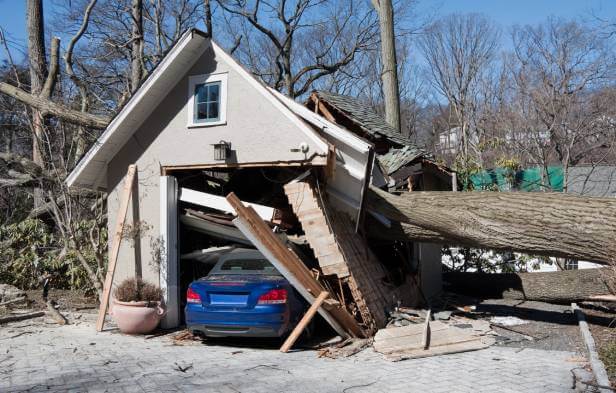

Hurricanes leave behind more than wind and rain damage. They leave homeowners staring at torn-off roofs, flooded floors, and a stack of insurance paperwork that feels impossible to sort through. Many people assume that filing a claim is straightforward, since they have paid premiums for years. The reality is often different, and that gap between expectation and outcome is where the law steps in to protect policyholders.
Understanding your rights before you file, or after a claim gets denied, can make a real difference in what you recover. Seeking legal representation for hurricane damage victims early in the process can help you avoid mistakes that insurers sometimes use against homeowners later. This article breaks down what the law actually says about hurricane claims, what insurers are required to do, and what steps tend to protect a claim the most.
Insurance Policies Are Legal Contracts, Not Suggestions
A homeowner’s insurance policy is a binding contract. When a storm damages your property, the insurer has a legal duty to review your claim in good faith and pay what the policy actually owes. That sounds simple, but insurance companies write these contracts, and the language inside them can be dense and full of exceptions.
Many policies separate wind damage from flood damage, and that distinction matters more than most people realize. A hurricane can bring both at once, but standard homeowners insurance often excludes flood coverage entirely, which usually requires a separate flood policy. Adjusters sometimes attribute damage to the excluded cause rather than the covered one, which can lower or eliminate a payout. Knowing this distinction before you speak with an adjuster can help you ask the right questions from the start.
Insurers Have Legal Obligations Too
Most states place legal requirements on how insurance companies handle claims. Insurers generally must investigate claims promptly, communicate clearly about coverage decisions, and pay valid claims within a reasonable time. When a company drags its feet, lowballs an offer, or denies a claim without a solid basis, that conduct can sometimes cross into what the law calls bad faith.
Bad faith claims are a separate legal issue from the underlying property damage claim. If an insurer acts unreasonably, a policyholder may have grounds to pursue additional damages beyond the original claim amount. This is one of the biggest reasons homeowners benefit from understanding their legal position early, rather than assuming a denial is the final word.
Documentation Carries Legal Weight
The law generally places the burden on the policyholder to prove the extent of the damage and connect it to the storm. This means documentation is not just a helpful habit. It is often the deciding factor in whether a claim succeeds.
Photographs, videos, repair estimates, and receipts all serve as evidence if a claim is disputed or denied. FEMA’s guidance on documenting damage after severe weather events recommends photographing structural and personal property damage from multiple angles, recording serial numbers of major appliances, and saving receipts for any repairs or replacements. Following steps like these from the start makes it much harder for an insurer to dispute the scope of the loss later. A written record made close to the time of the storm tends to carry more weight than a recollection made months later during a dispute.
Homeowners should keep copies of everything sent to and received from the insurance company. Emails, letters, and even notes from phone calls with adjusters can become important if a disagreement about coverage arises down the road.
Deadlines Shape What You Can Recover
Insurance policies and state law both impose deadlines on hurricane claims. A policy may require notice of loss within a specific window, and state law may set a separate deadline for filing a lawsuit if a claim is denied or underpaid. Missing either deadline can permanently close the door on recovering compensation, regardless of how strong the underlying claim might have been.
These deadlines can also shift after a major storm if the state declares an emergency, which sometimes extends filing windows. Because these rules change based on the specific disaster and the date it occurred, checking the current deadlines rather than relying on general assumptions is important.
What a Denied or Underpaid Claim Does Not Mean
A denial letter from an insurance company is not a final legal judgment. It is one party’s position, and that position can be challenged. Homeowners sometimes accept a denial as the end of the road when it is actually the starting point for a dispute process that includes appeals, supplemental claims, and, if necessary, litigation.
An underpaid claim creates a similar situation. If an insurer’s estimate for repairs falls far short of what contractors quote for the actual work, that gap is worth questioning rather than accepting. Independent damage assessments and second opinions from contractors can support a stronger position when pushing back on a low settlement offer.
Why Legal Guidance Matters After a Storm
Hurricane damage claims involve overlapping issues: policy language, state insurance regulations, contract law, and sometimes litigation procedure. Handling all of that while also dealing with displaced housing, damaged property, and daily life disruptions is a lot to manage alone.
An attorney who focuses on hurricane and storm damage claims can review your policy, evaluate whether an insurer’s response meets its legal obligations, and help you understand what evidence will matter most if the claim is contested. This kind of guidance often makes the difference between accepting a settlement that falls short and recovering what the policy actually promised.
Protecting Your Claim Going Forward
The period after a hurricane is stressful, and it is easy to feel pressured into accepting whatever an insurance company offers first. The law provides real protections for policyholders, but those protections only help if you understand them and use them.
Reporting damage promptly, documenting everything, watching deadlines closely, and questioning decisions that do not add up are all steps within your control. When a claim becomes complicated or an insurer is not acting in good faith, getting legal support can help level the playing field and make sure the recovery process reflects what your policy actually covers.