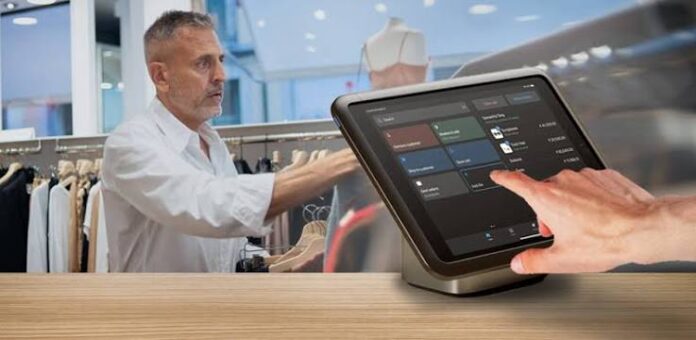

Choosing a POS system in Melbourne is not just about finding software that can process sales. Pricing models, included features, customer support and the cost of additional tools can make a significant difference to the overall value for a business.
POSApt, Hike and Retail Express show their starting prices publicly, while Idealpos, Bepoz, Impos and Redcat typically require businesses to request a customised quote. Although these providers offer many of the same core POS functions—such as sales processing, inventory management, customer records and reporting—the differences become clearer when you look at what is included in each plan and what businesses may need to pay extra for.
This guide compares seven best POS software providers in Melbourne used by businesses across Melbourne & Australia Wide. We look at their pricing, key features, ideal business types and support options to help you determine which POS system best fits your business.
Melbourne POS Software Pricing Comparison
| POS software | Published software price | Support arrangement | Main additional costs |
| POSApt | Hospitality from $66 per month; retail from $99 per month | 24/7 support included without a separate fee | Hardware, online ordering, KDS, kiosks and digital signage |
| Hike | Essential from $79 per month annually; Plus from $109 per month annually | 24/7 email and chat support included | Accounting connections, restaurant functions, ecommerce tools and selected add-ons |
| Retail Express | From $199 per month per location | 24/7 support and implementation included | Extra registers, ecommerce connections, warehouses and other add-ons |
| Idealpos | Quotation required | Support terms depend on the proposal | Software modules, installation, hardware and on-site service |
| Bepoz | Quotation required | 24/7 support advertised; inclusions depend on the package | Hardware, integrations, ordering products and venue configuration |
| Impos | Quotation required | Included in SaaS pricing; separate plan applies to outright purchases | Hardware, payments, installation and additional products |
| Redcat | Quotation required | Paid Support and Maintenance Contract | Locations, terminals, kiosks, apps and integrations |
All prices are in Australian dollars. Businesses should confirm current prices, GST treatment, contract periods and package inclusions before purchasing.
The 7 Best POS Software in Melbourne
1. POSApt
POSApt publishes a starting price of $66 per month including GST for hospitality POS and $99 per month including GST for retail POS. Setup, the main POS functions and 24/7 human support are included without a separate support charge.
The hospitality subscription covers:
- Table layouts
- Bill splitting
- Menu modifiers
- Inventory
- Stock-out alerts
- Recipe costing
- Staff attendance
- Customer records
- Loyalty and gift cards
- Live reporting
- Xero integration
Retail users receive checkout, barcode, product, stock, customer and employee-management functions. The cloud platform allows sales and reports to be checked away from the counter, with information managed across connected terminals or locations.
The Melbourne-based company also supplies online ordering, QR ordering, kitchen display systems, kiosks, digital signage and loyalty applications. These products are charged separately from the main POS subscription.
An online ordering plan can include an individually designed WordPress website connected with the ordering system. Orders placed through the website can enter the business’s order process without being copied manually into the POS.
Hardware is purchased separately. The complete price will therefore depend on the terminals, printers, scanners, cash drawers, kitchen screens and customer displays required.
POSApt’s Melbourne POS pricing is straightforward at the starting level: the base subscription is published, the principal software functions are grouped within it, and standard support does not create another monthly charge.
2. Hike
Hike uses a tiered subscription model. Essential costs $79 per month when billed annually or $89 when paid monthly. Plus costs $109 per month annually or $129 on monthly billing. Enterprise pricing is prepared individually.
Essential is limited to one outlet and covers the standard retail operation. It includes products, variants, stocktakes, purchase orders, supplier returns, customer profiles, lay-by sales, refunds, split payments and basic reporting.
Plus is designed for businesses requiring broader control. It adds:
- Multiple outlets
- Inter-store stock transfers
- Loyalty
- Store credits
- Customer groups
- Advanced permissions
- Improved reporting
- Ecommerce connections
- Marketing integrations
Some functions remain paid additions. These can include accounting software connections, restaurant table management, online-store tools and selected inventory features. A business should therefore compare the Plus price with the cost of the particular add-ons it needs.
Hike can operate on supported computers, iPads and Android devices. It also works with integrated payment providers, including its own HikePay products. Payment processing and payment hardware have their own charges.
Help-centre resources and 24/7 email and chat assistance are included in the listed plans. Enterprise customers receive customised onboarding and an assigned account manager.
The pricing structure is accessible for a single Melbourne retailer, but the monthly total rises when the business moves to multiple stores or requires specialised integrations.
3. Retail Express
Retail Express charges by location and positions its plans according to the size of the retail network.
Its published starting prices are:
- Essential: $199 per month for one location
- Professional: $249 per month per location for two to ten locations
- Enterprise: $299 per month per location for larger retail networks
Each plan includes one back-office register and one POS register per outlet. Additional checkout registers cost $19 each per month.
Retail Express costs more at entry level than lightweight retail applications. Its pricing reflects a stronger focus on inventory, fulfilment and management across stores. Retailers can track where stock is held, organise transfers, replenish outlets and manage customer orders across physical and online channels.
Every plan includes:
- Checkout and offline selling
- Product management
- Bulk product editing
- Multi-store inventory
- Stock transfers
- Special orders
- Replenishment
- Customer management
- Loyalty and vouchers
- Promotions
- Reporting
Optional charges apply to products such as ecommerce virtual outlets, advanced Shopify connections, warehouse subscriptions, pop-up stores, historical data and shipping integrations.
Australian-led implementation, training and 24/7 support are included in the subscription. Hardware and card processing remain separate.
Retail Express is priced for retailers whose stock operation extends beyond one simple checkout. The per-location model should be calculated carefully because each new store increases the continuing subscription.
4. Idealpos
Idealpos does not publish a standard monthly subscription. Each business receives a quotation based on the main software, selected modules, hardware and implementation work.
This modular arrangement changes how the cost should be assessed. A business can select the components it requires, but the advertised software cannot be compared with a fixed subscription until the full proposal is available.
Idealpos 9 is the principal POS product. Optional software extends it into different areas:
- Pocket Pad for mobile ordering and payment
- Kitchen Monitor for managing preparation queues
- Pocket Stock for stocktakes and product updates
- Multi-store controls
- Loyalty and gift vouchers
- Industry-specific integrations
The software is used across retail, restaurants, cafés, convenience stores, clubs, hotels, service stations and other industries. It is developed in Brisbane and installed for Melbourne businesses through the company’s service network.
Retail users can manage products, barcodes, prices, stock and transfers. Hospitality businesses can configure menus, recipe costs, table orders and kitchen printing. Head offices can also maintain group visibility while allowing individual locations to use different products or prices.
Public information does not clearly identify a standard support fee or define which services are included in every installation. The proposal should separate the initial software licence, optional modules, ongoing support, updates and on-site assistance.
Idealpos offers flexibility through modules, but buyers need an itemised quotation to understand the genuine software cost.
5. Bepoz
Bepoz also uses quotation-based pricing. There is no single advertised subscription that applies across its hospitality, retail, club and entertainment products.
Its software can be configured for operations with detailed product, membership and pricing rules. A business may apply different prices according to the store, customer group, promotion, order type or trading period.
That flexibility is relevant to venues operating:
- Membership pricing
- Happy hours
- Customer-specific discounts
- Loyalty points
- Event prices
- Several product sizes
- Separate store price lists
- Complex promotions
The back-office software can manage stock quantities, costs, suppliers, minimum levels and replenishment across stores. Bepoz also offers table service, mobile selling, pay-at-table functions, vouchers, gift cards and multi-venue controls.
An offline mode allows tills to continue with limited functions during certain server, network or controller interruptions. The available tasks may vary, so the provider should demonstrate the proposed offline setup.
Bepoz advertises 24/7 technical assistance and access to local teams. Some venue packages state that training and support are included, but there is no universal public price showing how this applies to every installation.
A complete Bepoz proposal should identify software, configuration, training, support, integrations, ordering products and hardware. Its value is easier to judge after the business has defined the pricing and operational rules it actually needs.
6. Impos
Impos offers two arrangements that affect the ongoing cost: a SaaS subscription or an outright software purchase.
SaaS users receive an individual monthly quotation. The Customer Package and Support Plan fee is included within that SaaS amount. Customers purchasing the software outright must subscribe to a separate support plan for at least the first 12 months.
This distinction matters when comparing the initial and long-term costs. Buying outright may reduce continuing software payments, but support remains a separate commitment during the first year. Assistance requested after a support plan has ended may also be charged.
Impos software was developed around Melbourne hospitality and is used by restaurants, cafés, bars, pubs, hotels, wineries and nightclubs. It covers tables, menus, orders, payments, inventory, staff controls and venue reporting.
Its stock software can record supplier orders, invoices and food or beverage use. Hospitality groups can also compare sales and performance across several locations.
Available connections include:
- Integrated payments
- Online ordering
- QR ordering
- Loyalty
- Kitchen management
- Reservation products
- Hospitality reporting tools
Impos uses a hybrid-cloud structure that keeps selected functions operating locally when internet access is interrupted. The exact order, printing and payment process should be tested during a demonstration.
The software price is unavailable without a quotation, but the provider’s terms make the difference between SaaS and outright-purchase support arrangements reasonably clear.
7. Redcat
Redcat’s pricing is prepared for each hospitality operator and is generally shaped by the number of locations, terminals and digital ordering products required.
The company supplies a broader platform than a standalone POS application. Its products cover restaurant POS, online ordering, customer apps, loyalty, kiosks, kitchen management, payments, delivery connections and multi-site reporting.
This structure is designed mainly for QSRs, franchises and hospitality groups. A central office can manage menus, prices and promotions across locations while retaining separate performance information for each store.
Loyalty also operates across different customer touchpoints. The same account can be used at the counter, on the website, through an app or at a kiosk.
Because Redcat is built around group operations, the quotation may include several software areas:
- POS licences
- Store locations
- Online ordering
- Customer applications
- Loyalty
- Kiosks
- Kitchen products
- Integrations
- Reporting access
Support and software releases are tied to a paid Support and Maintenance Contract. That contract must be added to the continuing cost; the initial platform quotation alone does not show the full annual commitment.
Redcat is headquartered in Cremorne and has a long history in Melbourne hospitality technology. Its software is likely to make more financial sense for a restaurant group or franchise than a small business requiring one basic register.
Published Pricing or Individual Quotation
Published pricing gives a business an immediate starting point. POSApt, Hike and Retail Express allow buyers to see the core monthly cost before requesting a demonstration.
Quotation-based pricing can still be reasonable when the installation is complex. Idealpos, Bepoz, Impos and Redcat support several configurations that may require different modules, hardware and service levels.
The issue is not whether a quotation is used. The important point is whether the proposal clearly separates:
- Compulsory costs
- Optional products
- One-off installation expenses
- Continuing monthly or annual fees
- Support charges
- Payment-processing costs
Without that breakdown, two POS proposals cannot be compared fairly.
How to Choose POS Software for a Melbourne Business
Begin with the daily tasks the software must complete.
Retail businesses may need product variants, barcode scanning, purchase orders, supplier records, stock transfers, loyalty and ecommerce synchronisation.
Hospitality businesses may place more importance on tables, menu modifiers, bill splitting, recipe costing, kitchen routing and online ordering.
After confirming the functions, calculate the full cost for the intended number of registers and locations. Support should be included in this calculation, especially for businesses trading at night or on weekends.
Which POS Software in Melbourne Offers the Best Value?
POSApt has a low published starting price with its main software functions and 24/7 support included. Hike provides clear subscription levels for retail, while Retail Express uses higher per-location pricing for businesses requiring stronger multi-store inventory and fulfilment.
Idealpos charges according to selected modules. Bepoz prepares systems for more detailed pricing, membership and venue requirements. Impos offers SaaS and outright-purchase arrangements, while Redcat prices a wider platform for restaurant groups and franchises.
The best value depends on the total cost of the functions, support and hardware the business will actually use.