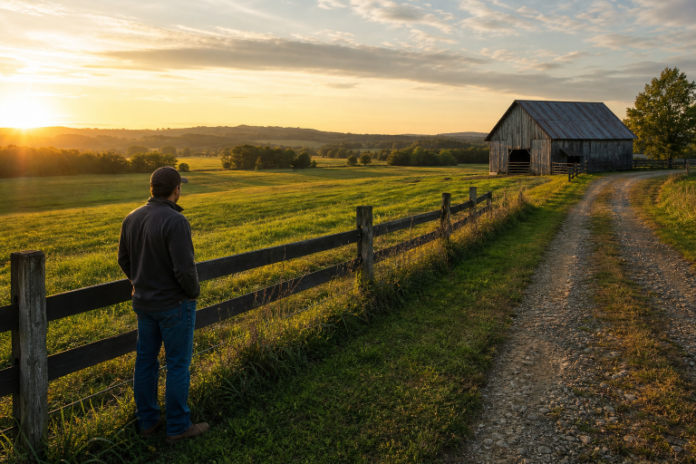

Buying agricultural land can be an exciting step toward farming, ranching, building a rural home, or owning recreational land for long-term use. It is also a major financial decision, because the acreage itself is only one part of what you are purchasing. A successful purchase starts with a clear plan, realistic financing, and careful property research. Before falling in love with a scenic parcel, make sure its water, soil, access, legal restrictions, and ongoing costs support what you actually want to do there.
Start With A Clear Purpose
Your intended use should guide every part of the search. A buyer planning a small hobby farm may prioritize a house, barn, usable pasture, and nearby services. A buyer seeking income-producing acreage may focus more heavily on soil productivity, irrigation, field layout, leases, and projected cash flow. Write down your primary goal before reviewing listings. Common goals include growing crops, raising livestock, expanding an existing operation, harvesting timber, building a rural residence, or holding land for future use. Each goal can affect zoning, taxes, insurance, lending requirements, and the improvements you will need.
Build A Realistic Budget
The purchase price is not the full cost of owning rural property. Set a budget that includes the down payment, loan fees, appraisal, survey, inspections, property taxes, insurance, and legal review. Then account for the work needed to make the land usable.
Suggested Budget Checklist
- Closing costs, appraisal fees, and survey expenses
- Well, septic, utility, road, fencing, and gate work
- Repairs to barns, drainage systems, or existing structures
- Equipment, seed, feed, livestock, or other startup needs
- First-year operating reserves and emergency cash
Choose The Right Kind Of Land
Not all acreage has the same value or potential. Cropland may offer productive fields, but it requires specialized equipment. Pastureland may work for grazing, but has limited crop potential. Timberland, mixed-use acreage, recreational parcels, and rural residential land each offer distinct benefits and constraints. Look beyond the number of acres. Compare topography, drainage, road frontage, utility access, existing buildings, grazing capacity, and tenant arrangements. Regional conditions matter as well. Farmland values vary widely by land type and location, so a local sales comparison is more useful than relying on a national average.
Check Zoning And Land Use
Never assume agricultural land can automatically be used for a home, event venue, farm stand, short-term rental, commercial business, or subdivision. Contact the county or local planning office before making an offer.
Documents And Questions To Review
- Current zoning and agricultural classification
- Building, setback, and road-access requirements
- Rules for livestock, homes, barns, and guest structures
- Conservation easements, deed restrictions, and HOA rules
- Future land-use plans and nearby development proposals
Review Water Access And Soil
Water can determine whether land is practical for crops, animals, or a residence. Confirm whether the property uses a private well, shared well, public water, ponds, streams, or irrigation rights. Request well records, test water quality when appropriate, and understand who is responsible for repairs. Soil and drainage deserve equal attention. Order a soil test for your planned crops or grazing program, inspect for erosion and compaction, and visit after heavy rain if possible. Standing water, poor drainage, or flood exposure can create costs that are difficult to see during a dry-weather showing.
Compare Financing Options
Rural land financing often differs from a standard home mortgage. Options may include conventional agricultural real estate loans, rural residential loans, seller financing, construction financing, and government-backed farm ownership programs. Eligibility can depend on your income, agricultural experience, down payment, collateral, and operating plan. Compare more than the starting interest rate. A fixed-rate loan offers predictable payments, while an adjustable-rate loan can have a lower initial rate but may increase later. Review loan length, prepayment terms, required reserves, and whether the lender will finance improvements along with the land.
Prepare Your Financial File
An organized financial file can speed up approval and make loan comparisons easier. Lenders may request personal financial statements, tax returns, bank statements, proof of income, debt information, and details about the property.
- Farm or business records, if applicable
- Lease agreements and production history
- A resume showing relevant management experience
- A written business plan and cash-flow forecast
- Quotes for planned improvements or equipment purchases
Complete Property Due Diligence
Due diligence protects you from buying a parcel with hidden legal, physical, or financial problems. Work with qualified professionals for title, tax, environmental, water, engineering, and legal questions when the property warrants it.
- Confirm ownership, title history, liens, taxes, and easements.
- Order a current survey and verify boundaries.
- Confirm legal road access and maintenance responsibilities.
- Inspect buildings, fences, wells, septic systems, and electrical service.
- Review flood exposure, mineral rights, timber rights, and existing leases.
Make An Offer And Plan For Closing
A strong offer should protect your ability to investigate the property. Use a written purchase agreement with financing, appraisal, inspection, title, and survey contingencies that fit the situation. Clearly identify included equipment, crops, livestock, buildings, and fixtures. Set deadlines for inspections and document delivery, then review every final closing document before signing. Confirm who pays for repairs, survey work, transfer costs, and closing fees rather than relying on verbal promises.
Common Mistakes To Avoid
- Choosing land based only on acreage or appearance.
- Skipping zoning, water, soil, flood, or access reviews.
- Underestimating fencing, utilities, roadwork, and maintenance costs.
- Using optimistic farm income assumptions without a cash-flow plan.
- Selecting financing solely because it has the lowest initial rate.
- Failing to keep sufficient funds for the first year of ownership.
Frequently Asked Questions
How Much Money Should A Buyer Save Before Purchasing Agricultural Land?
Save enough for the down payment, closing costs, inspections, immediate improvements, and a reserve for operating expenses or unexpected repairs. The right amount depends on the property, lender, and intended use.
Can A Buyer Finance Raw Agricultural Land?
Yes, although approval may depend on access, water, zoning, collateral, income, and your plan for the property. Raw land can require a larger down payment or different loan terms than an improved rural home site.
What Should A Buyer Check Before Making An Offer?
Review title, boundaries, zoning, water, soil, flood exposure, access, utilities, taxes, leases, improvements, and financing terms before committing to a purchase.
Conclusion
Buying agricultural land is both a real estate decision and a long-term operating decision. The best property is not necessarily the largest parcel or the lowest-priced listing. It is the land that matches your goals, fits your budget, and can support your plans without creating an unmanageable financial burden. Buyers should consider soil quality, water availability, road access, zoning, existing improvements, environmental conditions, and the costs of preparing the property for its intended use. Financing, taxes, insurance, equipment, maintenance, and future development should also be included in the overall budget. Taking time to inspect the land and verify important records can help prevent costly surprises after closing. A thoughtful purchase should leave enough financial flexibility to manage unexpected repairs, seasonal changes, or slower-than-expected income. With careful research and realistic planning, agricultural land can become a practical long-term investment that supports both personal goals and sustainable operations.