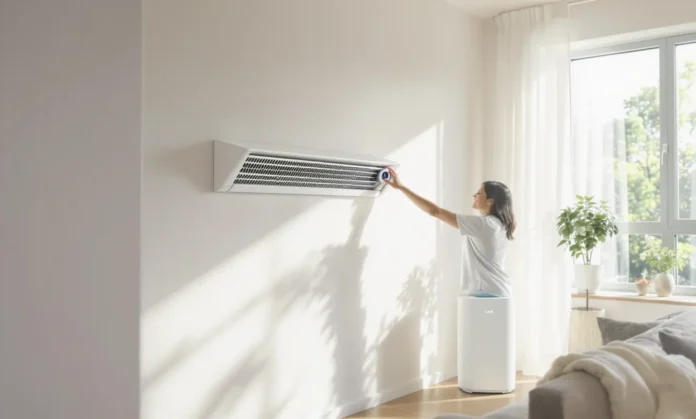

Spring and early summer often bring relief after colder months, yet they also introduce a different kind of indoor comfort problem. Pollen drifts through open doors, clings to clothing, settles near vents, and can make a house feel less fresh even when the windows stay closed. Many homeowners focus on wiping surfaces or changing habits, but the heating and cooling system plays a major role in how seasonal particles move through the home. That is why HVAC maintenance matters. It helps the system support cleaner circulation, steadier airflow, and a more comfortable indoor environment as outdoor pollen levels begin to shape how the whole house feels.
Where pollen pressure builds
- How Seasonal Pollen Changes the Way a Home Feels
Seasonal pollen affects more than the outdoors. Once it begins collecting on shoes, pets, clothing, entryways, and window ledges, it can slowly become part of the indoor air pattern too. A house may still look tidy, yet certain rooms can start feeling heavier, dustier, or less settled than they did a few weeks earlier. The air may seem stale by the afternoon, surfaces may collect residue more quickly, and some rooms may feel harder to keep fresh even when the system is running regularly. This happens because heating and cooling systems help move air through the home, and whatever is circulating in that air becomes part of daily comfort. HVAC maintenance matters because the system can either support a cleaner indoor environment or continue moving particles through the same spaces again and again. When pollen season arrives, small issues inside the HVAC system become more noticeable. Airflow, filtration, and circulation all begin influencing whether the home feels manageable or irritating from room to room.
- Why HVAC Maintenance Helps the System Handle Pollen More Effectively
A well-maintained system is better prepared to respond when seasonal air quality conditions shift. Pollen season places extra pressure on filters, vents, coils, and the overall cleanliness of the system’s air-moving parts, even in homes where windows stay closed most of the time. Homeowners who schedule HVAC maintenance from ACR Heating and Cooling in Sedalia are often trying to reduce that feeling that the house no longer breathes as comfortably as it should once pollen levels rise outside. This matters because indoor discomfort during pollen season is not always caused by one dramatic failure. More often, it comes from buildup, reduced airflow, neglected filter condition, or circulation problems that become harder to ignore when outdoor particles are already high. Maintenance gives the system a better chance to support the home the way it is meant to. Instead of letting the equipment keep working under dirtier seasonal conditions without attention, homeowners can help it stay more balanced, more responsive, and better at supporting cleaner indoor air during the weeks when pollen is at its highest.
- Why Filter Condition and Airflow Matter More During Pollen Season
One of the biggest reasons HVAC maintenance matters during pollen season is that filter performance and airflow become more important precisely when the system is likely to face heavier particle loads. If the airflow is already weak or the system’s filtration is neglected, pollen season can make those problems much more noticeable. A room that once felt fine may suddenly seem stuffier, and areas near vents may collect more visible dust and residue. This is not always because the house is suddenly dirtier than before. It can be because the HVAC system is no longer moving or filtering air as effectively under seasonal pressure. Better maintenance helps keep the airflow side of comfort from falling behind. When air moves more steadily and filters are not overwhelmed, the home often feels lighter and easier to manage. That does not mean pollen disappears from life altogether. It means the system is less likely to contribute to the indoor buildup and circulation patterns that make certain rooms feel more irritating, more closed in, or harder to keep comfortable during a long stretch of high outdoor pollen.
- How Maintenance Supports More Consistent Comfort Across the House
Pollen season often exposes the difference between a system that is simply running and a system that is actually supporting comfort well. Some homes begin to show clear differences in indoor air quality from one room to another as outdoor allergens rise. Bedrooms may feel dustier than living spaces, upstairs areas may seem stuffier by evening, or one side of the house may lose that fresh indoor feel faster than the rest. HVAC maintenance helps by supporting more consistent system performance, rather than leaving weaker airflow paths and neglected components to create those imbalances. This matters for more than cleanliness. It affects how the home feels to live in. If one room constantly seems harder to settle into, people start changing habits around the discomfort. They close doors differently, run fans more often, or avoid spaces that never feel as clear as they should. Maintenance gives the system a better chance to serve the whole home consistently, rather than allowing pollen season to magnify every existing weakness in circulation, airflow, and basic indoor comfort from one area to the next.
- Why Early Attention Prevents Seasonal Frustration From Growing
Many homeowners wait until indoor discomfort becomes obvious before thinking about their HVAC system, but pollen season often begins to affect air quality gradually. At first, it may seem like only a little extra dust or a slightly stale feeling in the afternoons. Then the system runs longer, surfaces need more frequent cleaning, and the house begins to feel less restful than it did before the season changed. That is why early HVAC maintenance matters. It helps address the system before seasonal particles settle deeper into the comfort pattern of the home. Instead of reacting after the house already feels unpleasant, homeowners can support the equipment while conditions are still manageable. This kind of timing often makes a practical difference because it reduces the chance that the system will spend weeks circulating air under strain. Maintenance is not only about preventing breakdowns. During pollen season, it is also about preserving the quality of the indoor environment before the household starts adapting to irritation that should not have become normal in the first place.
Why Better Maintenance Supports Healthier Seasonal Living
HVAC maintenance matters when seasonal pollen starts affecting indoor air quality because the system plays a central role in how air moves, feels, and settles inside the home. Pollen season can turn small airflow and filtration weaknesses into noticeable comfort problems, especially when certain rooms start feeling dustier, heavier, or less fresh than they should. Regular maintenance helps the system respond more effectively by supporting cleaner circulation, steadier airflow, and a more manageable indoor environment during the most irritating parts of the season. When pollen rises outside, better HVAC care helps the house feel calmer, cleaner, and easier to live in inside.