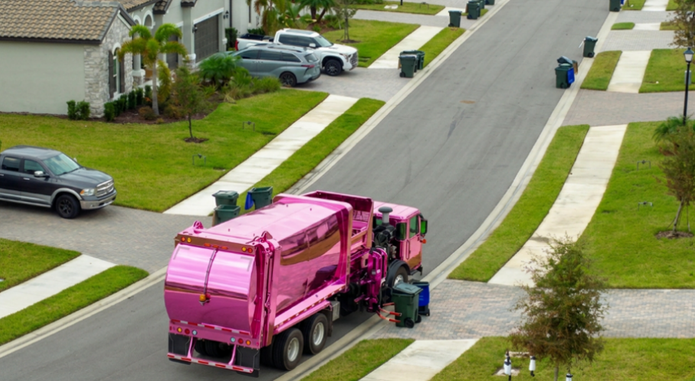

Property upkeep is usually discussed in terms of landscaping, paint, and repairs, yet the condition of a site often deteriorates first at the waste enclosure. Scheduled trash removal by Red Oak Sanitation & Recycling keeps that pressure point under control, because containers emptied on a dependable rhythm never reach the overflow stage where problems multiply. A single delayed collection creates odor, attracts wildlife, and generates complaints within days. Across a full year, the difference between reliable service and irregular service shows up in repair budgets, tenant retention, and how a property is perceived by everyone who visits it.
Preventing Pest Activity Before It Establishes
Rodents, raccoons, and insects locate accessible waste within hours, and a container left uncollected for an extra week becomes an established feeding site. Once wildlife tears through bags, contents scatter across lawns, parking areas, and neighboring lots, spreading bacteria and creating a cleanup burden nobody budgeted for. Shared enclosures at multifamily sites deteriorate fastest, since one delayed pickup affects every resident at once. A regular collection schedule breaks that cycle before a population settles in, which is far cheaper than treating an infestation afterward.
Protecting Surfaces and Structures From Damage
Overflowing containers cause physical deterioration that accumulates quietly. Leaking bags stain concrete pads and asphalt, and the acids in decomposing organic material degrade sealants over time. Waste stacked beside a container rather than inside it holds moisture against walls and fencing, accelerating rot in wood and corrosion in metal. Enclosure gates take a beating when residents force them past bags piled in the way, and hinges loosen well ahead of schedule. None of these justifies a maintenance call on its own, but together they shorten the service life of surfaces that would otherwise last for years.
Meeting the Needs of Commercial Properties
Businesses face steeper consequences than households when waste piles up, since a soiled entrance or a smell near a storefront drives customers away immediately. Volume is also higher and less predictable, which is why the Red Oak Sanitation & Recycling commercial trash removal services size containers and set pickup frequency around the specific output of an office, restaurant, or retail center. Matching the schedule to real demand keeps a commercial site presentable at all times, and it prevents the overflow that turns a minor cost into an expensive emergency when a dumpster is left too long between visits.
Maintaining Curb Appeal and Property Value
First impressions form quickly, and a visible waste area shapes them more than most owners expect. Prospective tenants touring a building, buyers viewing a home, and customers approaching a storefront all register an overflowing container as a signal about how the property is managed overall. Appraisers and inspectors note the same conditions. Consistent collection keeps that area unremarkable, which is exactly what it should be, and the cost of dependable service is trivial compared to the pricing pressure a neglected site eventually attracts.
Meeting Code Requirements and Association Rules
Most municipalities set enforceable standards for waste storage, covering container condition, screening, and how long material may remain on site. Homeowner associations frequently add stricter rules about cart placement and the hours during which containers may sit at the curb. Violations arrive as warnings first and fines afterward, and repeat citations can complicate insurance renewals for commercial properties. A regular collection schedule keeps a site compliant automatically, without anyone needing to track deadlines or respond to enforcement notices.
Conclusion
Waste collection sits far down most maintenance priority lists until it fails, at which point it affects nearly everything above it. Pest control, surface longevity, curb appeal, code compliance, and the demands of commercial sites all trace back to whether containers are emptied on a dependable schedule. The service costs the same whether it performs well or poorly, which makes reliability the single most valuable characteristic to evaluate. Properties that get this right rarely think about waste at all, and that quiet absence of trouble is precisely the point.