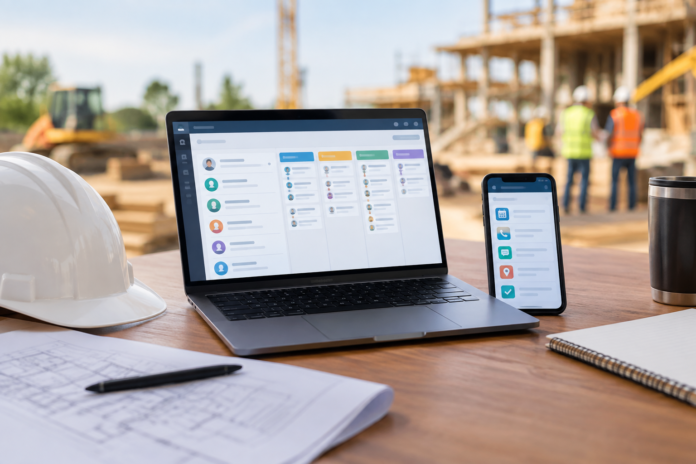

Construction companies handle a steady flow of inquiries, estimates, customer conversations, and active opportunities at the same time. Small teams need clear visibility into each sales opportunity without wasting valuable hours searching for scattered information. A customer relationship management platform helps organize these responsibilities. With this, employees can respond faster and maintain consistent communication.
Practical features make daily operations easier while supporting stronger customer relationships from the first inquiry through the signed agreement. The right solution also helps teams stay organized as workloads increase. This article explains the CRM features that deliver the greatest value for small construction teams and why they matter.
Contact Management Keeps Customer Information Within Easy Reach
A crm for a small construction business brings customer details, estimate records, communication history, and related documents together in one organized location. Sales representatives can review previous conversations before responding, which creates a more informed and professional experience for every prospect. Quick access to complete records also helps office staff answer questions without searching through emails or multiple spreadsheets. When everyone works from the same updated information, communication stays consistent throughout the sales process.
Pipeline Tracking Gives Every Opportunity Clear Direction
Construction companies may have several estimates under review at any given time. A visual sales pipeline allows employees to see which opportunities need follow-up, which proposals are awaiting customer decisions, and which discussions are moving toward an agreement. This visibility helps managers prioritize work instead of relying on memory or handwritten notes. It also provides a clearer picture of future sales activity, making workload planning much easier as new inquiries arrive.
Sales Stages That Benefit From Tracking
An organized pipeline commonly includes:
- New customer inquiries
- Initial consultations
- Estimate preparation
- Proposal review
- Contract discussions
- Closed opportunities
Follow-Up Automation Supports Consistent Customer Communication
Construction sales depend on timely communication after estimates and consultations. Automated reminders help staff reconnect with prospects at appropriate times, ensuring valuable opportunities continue moving forward without unnecessary delays. A crm for a small construction business also stores previous conversations, allowing employees to continue discussions with accurate context instead of asking customers to repeat information. This organized approach builds confidence and strengthens professional relationships throughout the sales journey.
Mobile Accessibility Helps Teams Stay Connected Anywhere
Construction professionals spend time between offices, customer meetings, and project locations. Mobile access allows authorized personnel to review customer records, update notes, and check scheduled activities without returning to a desk. Current information becomes available wherever work takes place, helping conversations remain accurate and productive. Faster access also allows office and field personnel to stay aligned when customer questions require immediate attention.
Mobile Features That Improve Productivity
Useful mobile capabilities include:
- Customer record access
- Appointment schedules
- Activity updates
- Contact information
- Task notifications
- Conversation history
Reporting Features Improve Business Planning
Reliable reporting transforms customer activity into useful business information. Managers can review lead sources, proposal progress, sales trends, and completed opportunities through organized dashboards instead of collecting updates manually. These insights support smarter planning by highlighting where opportunities develop most frequently and where additional attention may be beneficial. Better visibility also helps small construction companies allocate resources with greater confidence while maintaining steady business growth.
The greatest value from a construction CRM comes from features that simplify communication, organize customer information, improve opportunity tracking, support mobile access, and provide meaningful business insight. Small construction teams gain stronger visibility into their sales activities when these capabilities work together, creating a more organized process that supports consistent customer engagement and informed business decisions.