
Key Takeaways
- Prepare electrical equipment before severe weather by checking outdoor outlets, cords, alarms, and the main electrical panel.
- Treat downed power lines, damaged service equipment, and flooded electrical areas as serious hazards.
- Use battery-powered lights during outages and avoid repeatedly resetting breakers that continue to trip.
- Operate portable generators outdoors and away from doors, windows, and vents, and never connect them directly to household outlets.
- After a storm, inspect from a safe distance and avoid touching wet outlets, panels, appliances, or exposed wiring.
- Have storm-damaged electrical components professionally inspected before putting them back into normal use.
- Keep emergency contacts, generator instructions, and a simple storm-ready electrical checklist accessible before severe weather arrives.
In Springdale, Arkansas, a storm plan should cover more than bottled water, flashlights, and charged phones. Lightning, high winds, hail, falling limbs, heavy rain, and power interruptions can all affect a home’s wiring, service equipment, appliances, and outdoor electrical connections. Preparing early helps families make calmer decisions when weather conditions change quickly. For concerns involving damaged equipment, recurring breaker trips, panel issues, or safe recovery after an outage, Nwa C&S Electric offers residential and commercial electrical service in Springdale and nearby Northwest Arkansas communities, including Fayetteville, Rogers, Bentonville, and Bella Vista. Their electrician Springdale, AR, service page describes help with repairs, troubleshooting, lighting, outlets, wiring, and panel upgrades, which are all relevant when storm conditions reveal an electrical problem that should not be handled alone.
Why Electrical Safety Belongs in Every Springdale Storm Plan
Severe weather can create hazards before, during, and after the rain ends. A nearby lightning strike can contribute to a power surge. Wind can pull down branches, poles, or service lines. Hail can damage exterior fixtures and equipment. Water can enter garages, crawl spaces, wall cavities, outlets, or electrical panels. Even when a home looks mostly intact, damaged wiring and utility equipment may still be dangerous. Springdale residents have seen how quickly a serious weather event can affect homes and infrastructure. The March 2022 Springdale tornado outbreak damaged homes, businesses, trees, and power poles in the area. That experience is a useful reminder to treat exposed wires, damaged meters, and fallen lines as potential emergencies.
Local Weather Risks That Can Affect a Springdale Home
- Thunderstorms and lightning: Surges can affect electronics, appliances, and connected equipment.
- High winds and tornadoes: Trees and branches can damage service cables, outdoor lighting, poles, and overhead lines.
- Hail: Exterior lights, conduit, equipment covers, and rooftop components can be damaged by impacts.
- Heavy rain and flooding: Water near outlets, extension cords, panels, appliances, and wiring requires caution.
- Power outages: Loss of electricity can affect refrigeration, sump pumps, home offices, medical equipment, and communications.
Before the Storm: A Practical Electrical Checklist for Springdale Homeowners
- Inspect outdoor outlets, weatherproof covers, landscape lighting, and extension cords for cracks, loose parts, or water damage.
- Keep extension cords and plugged-in devices away from windows, exterior doors, wet floors, and areas that could flood.
- Test smoke alarms and carbon monoxide alarms according to the manufacturer’s instructions.
- Locate the main electrical panel and keep clear access to it. Every adult in the household should know where it is.
- Unplug sensitive electronics if severe lightning is nearby and it is safe to do so.
- Review portable generator instructions before an outage happens, not in the middle of one.
- Save the phone numbers for the electric utility, emergency services, and a qualified electrical professional.
Warning Signs to Address Before Springdale Storm Season
Storms often expose existing weaknesses. Schedule an inspection before severe weather arrives if you notice lights dimming or flickering when appliances start, breakers that trip repeatedly, warm or buzzing outlets, cracked outlet covers, discoloration, a burning odor, or water stains near fixtures and electrical boxes. Loose service cables, damaged exterior panels, and aging fuse equipment also deserve professional attention.
What to Do During a Power Outage in Springdale
- Stay well away from fallen wires, leaning utility poles, and damaged transformers. Assume every downed line is energized.
- Use battery-powered flashlights instead of candles to reduce fire risk.
- Keep refrigerator and freezer doors closed as much as possible.
- Unplug major appliances and sensitive electronics if practical, then wait for stable power before reconnecting them.
- Do not repeatedly reset a breaker that keeps tripping.
- Never use a grill, camp stove, or fuel-burning generator inside a house, garage, basement, enclosed porch, or near open windows.
Generator and Transfer Equipment Safety for Springdale Residents
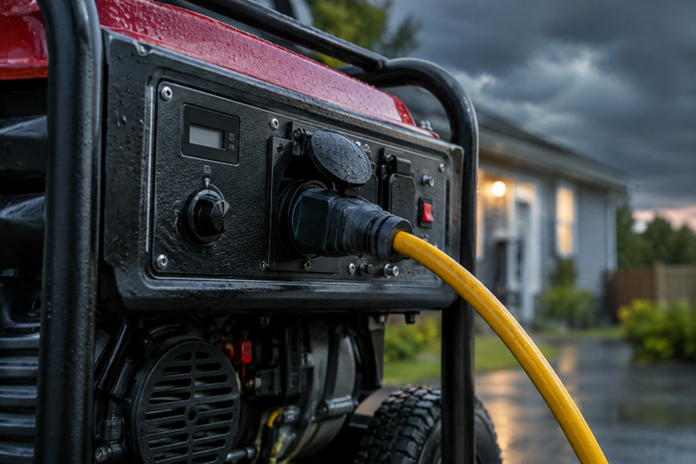
Portable generators must operate outdoors, away from doors, windows, and vents, because their exhaust can contain carbon monoxide. Never connect a portable generator directly to a household outlet. This unsafe practice, often called backfeeding, can energize utility lines and create a danger for neighbors and utility workers. If a household needs selected circuits powered during outages, a properly installed transfer switch is the safer connection method. Standby generators, transfer equipment, new generator circuits, and related panel work should be planned and installed by a qualified professional. Follow the generator manufacturer’s operating, fueling, and maintenance instructions every time.
After the Springdale Storm: Inspect From a Safe Distance
- Look for downed lines, broken poles, sparking, smoke, damaged service equipment, and tree limbs resting on wires.
- Leave the area and call emergency services if there is fire, smoke, active sparking, or an immediate threat.
- Do not touch wet outlets, appliances, panels, extension cords, or exposed wiring.
- Turn off the main breaker only when the panel is dry, accessible, and safe to reach.
- Photograph visible damage for insurance purposes without entering unsafe spaces.
- Have storm-damaged wiring, outlets, panels, service equipment, and circuits evaluated before returning them to normal use.
When to Call an Electrician in Springdale
Professional help is appropriate when water reaches an outlet, appliance, panel, or wiring area. It is also important that when a breaker trips again after one reset, an outlet smells hot, equipment shows scorch marks or melting, a meter base or service cable appears damaged, or lightning may have affected appliances and smart-home equipment. A qualified electrician can identify issues that are not visible from the surface and recommend an appropriate repair.
Common Questions From Springdale Homeowners
Can lightning damage electronics without striking the house?
Yes. Nearby lightning activity and disturbances on utility lines can contribute to electrical surges. Unplugging sensitive devices during severe storms can reduce exposure, and a professional can discuss whole-home surge protection options.
Should I reset a tripped breaker after a storm?
One reset may be reasonable if the area is dry and there are no signs of damage, heat, odor, or buzzing. If the breaker trips again, leave it off and arrange for service.
What if water reaches an outlet?
Do not touch the outlet, plug, or connected equipment. Keep people away from the area and have the circuit inspected before using it again.
Quick Springdale Storm-Ready Checklist
- Test smoke and carbon monoxide alarms.
- Inspect outdoor cords and outlet covers.
- Keep the electrical panel accessible.
- Unplug sensitive electronics during nearby lightning.
- Review generator placement and instructions.
- Stay away from downed lines after a storm.
- Arrange an inspection after water exposure, smoke, heat, or visible electrical damage.
Make Electrical Safety Part of Your Springdale Storm Plan
A few early checks can reduce confusion when storms move through Springdale. Prepare for severe weather by charging essential devices, keeping flashlights readily available, and knowing where the main electrical shutoff is located. Secure or unplug sensitive electronics when it is safe to do so, and keep electrical equipment away from windows, outdoor areas, and possible flood paths. After a storm, avoid damaged, wet, or submerged electrical equipment and stay away from downed or damaged service lines. Do not attempt temporary repairs if wiring, outlets, panels, generators, or other electrical components have been affected. Seek qualified help when a problem involves water, fire, exposed wiring, repeated breaker trips, panels, generators, or service lines. Taking these precautions can help homeowners respond more safely and reduce the risk of additional electrical damage.
Conclusion
Electrical safety should be an important part of every Springdale storm plan, from preparation before severe weather to safe recovery afterward. Homeowners can reduce potential risks by inspecting outdoor electrical equipment, keeping panels accessible, properly preparing generators, and protecting sensitive electronics from surges and water exposure. During an outage, staying away from downed lines and using safe lighting and generator practices is essential. After the storm, visible damage should be approached cautiously, especially when water, exposed wiring, damaged panels, or service equipment is involved. Problems such as repeated breaker trips, burning odors, sparks, or water-damaged electrical components should be evaluated by a qualified professional. A little preparation can help Springdale households respond more calmly and safely when storms disrupt normal electrical service.