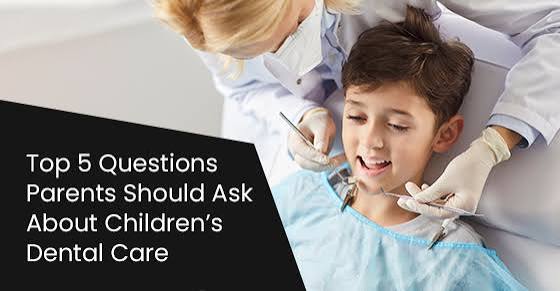

You already have enough on your mind. Appointments, lab results, side effects, school, sleep, trying to keep your child comfortable through all of it. Dental care can feel like one more thing waiting to go wrong, especially when your child’s mouth suddenly becomes sore, dry, or full of ulcers after treatment starts. A children’s dentist in Van Nuys, CA can help you manage these changes and keep your child more comfortable throughout treatment.
This is where many parents get stuck. A small mouth problem can turn into pain, trouble eating, missed treatment comfort, and sometimes infection. Dental care during childhood chemotherapy is not separate from cancer care. It is part of protecting your child’s health day to day, and it often starts with simple habits, close communication, and help from a pediatric dentist who understands what cancer treatment does to the mouth.
Childhood chemotherapy changes the mouth quickly
Chemotherapy affects fast-growing cells, and that includes the lining of the mouth. Your child may develop mouth sores, bleeding gums, dry mouth, taste changes, tooth sensitivity, or a higher risk of infection. If your child is already nauseated or exhausted, brushing can become a fight. If they are very young, they may not be able to explain what hurts. You just see them refuse food, cry during brushing, or wake up miserable at night.
The National Cancer Institute outlines common mouth and throat problems during cancer treatment, and those issues can appear fast. A mouth that looked healthy last week can look very different after a treatment cycle. That is why waiting until there is obvious pain often makes things harder.
The risk is not only discomfort. When the mouth is irritated or broken down, bacteria and fungi have an easier path in. If your child’s immune system is low, even routine dental problems may need extra caution. A cavity that might have waited a month under normal circumstances may need a coordinated plan now.
Pediatric dental support during cancer treatment helps prevent bigger problems
Parents often assume dental visits should stop during chemotherapy. Sometimes treatment timing needs to change, but the goal is not to ignore the mouth. The goal is to manage it safely. A pediatric dentist can work with your child’s oncology team to decide when a cleaning, exam, X rays, or urgent treatment makes sense.
Before chemotherapy, a dental exam may catch cavities, loose baby teeth, or gum issues that could become a problem later. During treatment, the focus often shifts to infection control, mouth comfort, and daily care. After treatment, your child may need monitoring for delayed tooth development, enamel defects, dry mouth, or jaw growth concerns depending on age and treatment history.
The National Cancer Institute also provides guidance on oral complications of chemotherapy and head and neck radiation, including prevention and management. That guidance reflects a reality many families learn the hard way. Mouth care is easier when it is proactive.
Daily mouth care during chemotherapy needs to be gentle and consistent
When your child says brushing hurts, your instinct may be to back off completely. That makes sense in the moment, but plaque builds up fast, and irritated gums usually get worse when the mouth is not cleaned. The answer is usually a softer approach, not no care at all.
Use a very soft toothbrush if the oncology team says brushing is safe. Brush gently after meals and before bed. If toothpaste burns, ask whether a mild or bland toothpaste is a better fit. Keep lips moist. Offer frequent sips of water if allowed. Avoid alcohol-based mouth rinses unless the medical team specifically recommends one. Foods that are spicy, acidic, rough, or very hot can make sores worse.
St. Jude shares practical advice on mouth care and oral health during cancer treatment, including ways to make daily care more manageable at home. These routines are simple, but they do a lot of work. They lower irritation, improve comfort, and help your child keep eating and drinking.
Home care and professional dental care serve different purposes
| Need | Home Care | Pediatric Dentist and Oncology Team |
| Daily plaque control | Soft brushing, gentle rinsing, lip care | Checks whether the routine is safe and effective |
| Mouth sores and pain | Avoid irritating foods, follow prescribed comfort measures | Evaluates severity, infection risk, and treatment options |
| Cavities or broken teeth | Watch for pain, swelling, food refusal | Decides if treatment can wait or needs urgent care |
| Bleeding gums | Gentle cleaning if approved, monitor changes | Assesses whether bleeding is from irritation, infection, or low counts |
| Timing of dental work | Keep records of symptoms and treatment dates | Coordinates around blood counts, immune status, and chemo schedule |
This is the difference many families need spelled out. Home care helps prevent problems from building. Professional care decides what is safe when your child’s body is under strain. Oral care for kids with cancer works best when those two pieces stay connected.
Three steps you can take right now
1. Ask for a coordinated dental plan. Tell your child’s oncology team if your child has a regular dentist, a cavity history, braces, loose teeth, or current mouth pain. If you do not already have one, ask for a referral to a pediatric dentist familiar with medically complex children.
2. Track mouth changes every day. Look for redness, white patches, ulcers, bleeding, bad breath, swelling, dry lips, or pain with eating. Write down when symptoms started and whether they line up with treatment cycles. That record helps the care team act faster.
3. Make the routine easier, not stricter. Switch to a softer brush, use shorter brushing sessions, and choose bland foods when the mouth is sore. If your child refuses brushing because it hurts, report that early. Dental care for children on chemotherapy often needs small adjustments, not a perfect routine.
Steady support makes this easier
You are not overreacting if mouth changes worry you. They matter, and they can affect comfort, nutrition, sleep, and infection risk very quickly. The good news is that many oral problems during treatment can be reduced or managed when parents, oncology teams, and a pediatric dentist stay in close contact.
Your child does not need a perfect mouth care routine. They need safe, steady support and quick attention when something changes. If your child is starting treatment or already struggling with mouth symptoms, reach out to a pediatric dentist and ask for guidance that fits their cancer care plan.