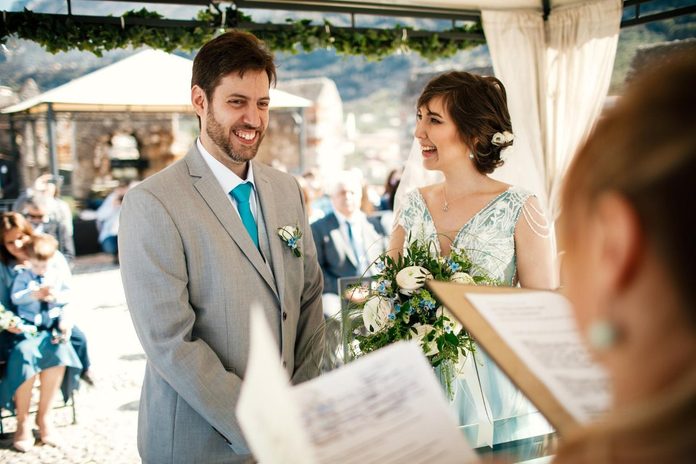

Some events are remembered for years, while others disappear from memory almost as soon as guests leave. The difference is rarely the size of the venue or the amount spent on décor. More often, it comes down to how deliberately the experience was designed. For a wedding planner in Atlanta, Georgia, that might mean turning a couple’s personal story into details guests can see, hear, taste, and feel. For brands, the same principle applies: people remember experiences that give them a reason to care.
The Experience Has to Feel Personal
Luxury weddings offer a useful lesson in personalization. A memorable celebration does not simply look expensive; it feels connected to the people being celebrated.
That connection can appear in subtle ways. A menu might reflect a couple’s travels. Music may reference meaningful moments in their relationship. The ceremony setting, stationery, entertainment, or even the sequence of events can carry pieces of their story.
Luxury event planning places considerable emphasis on personalization, exclusivity, attention to detail, and service because these elements help transform a standard gathering into something that feels created specifically for its guests.
Spectacle Alone Is Not Enough
A dramatic entrance, elaborate installation, or impressive technology can attract attention. But attention is not the same as memory.
Experiential marketing is most effective when its visual elements support a bigger concept. Individuals must understand what the event is about and what their part is in it. By virtue of interactive installations, sensory details, storytelling, and participation opportunities, one can benefit from moving from a mere observer to an involved participant in the event.
This is where luxury weddings and brand experiences overlap. Both require more than attractive design. They need a clear emotional thread running through the event.
A beautifully designed room might make guests pause for a photograph. A beautifully designed room connected to a meaningful story can make them remember why they were there.
Small Details Often Carry the Memory
Unforgettable experiences don’t always originate from an outstanding moment. Sometimes, they come from a string of small but thoughtful decisions.
Take, for example, the experience of entering the venue. Does it feel obvious to the guests where they should go? Is the reception welcoming? Is there a seamless transition from one stage of the event to another? Do the lights adapt to the mood of the evening? Are the guests allowed to get involved more than just being shuffled from one event to another?
These details rarely become the headline of an event, but together they influence how the experience feels.
For planners such as KIS(cubed) Events, this is an important distinction. Luxury is not simply about adding more. It is about making individual elements work together so that the experience feels intentional rather than overloaded.
Give Guests a Role in the Story
Among the important insights learned from experiential marketing is the importance of being engaged. When someone can engage with the experience—such as shaping, discovering, being involved with, or personalizing it—they will feel more committed to it.
The same approach can elevate a wedding. Instead of treating guests as an audience, planners can create opportunities for interaction through personalized activities, shared rituals, curated entertainment, intimate spaces, or unexpected moments throughout the celebration.
This also changes how planners think about the event timeline. A schedule is not merely a list of activities. It is the framework through which guests experience the story.
Memorable Events Continue Beyond the Venue
Images, films, social media recommendations, feedback messages, and discussions among visitors can prolong the emotional life of an occasion. For businesses, this continual process can help enhance awareness and involvement. For instance, in case of weddings, it enables guests to relive important events in their lives.
An excellent Experiential Marketing Agency is aware of the fact that the best experiential events occur not in a momentary sensational event but throughout a whole journey. Effective storytelling before, during, and after the event is crucial for making the experience less fragmentary.
As a result, almost all spectacularly memorable events have one thing in common: they evoke emotions. Luxury weddings make it possible through personal storytelling, careful hospitality, and personal touches that mirror the people involved in an event. At the same time, experiential marketing provides emotional experiences through offering valuable relationships between the audience and certain ideas.