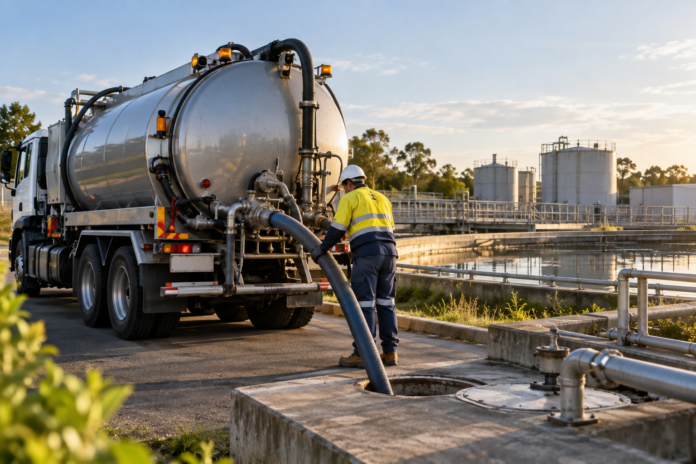

Liquid waste does not simply disappear once a tank, trap, pit, or holding system is pumped out. After collection, it must be identified, transported, treated, documented, and disposed of through the right channels. For many commercial, industrial, and residential sites, liquid waste services form part of the wider process that keeps wastewater, sludge, grease, and other liquid materials away from stormwater systems and sensitive environments. Understanding what happens after collection helps explain why proper handling matters well beyond the first pump-out.
Waste Is Identified Before Transport
The first step is knowing what type of liquid waste has been collected. Not all liquid waste is the same, and different materials require different treatment and disposal methods. Grease trap waste, septic waste, oily water, industrial washdown water, sludge, and contaminated liquids may all need separate handling.
Identification helps determine whether the waste can be treated at a standard facility or whether it needs specialist processing. It also reduces the risk of mixing incompatible materials. If the contents are unknown or potentially hazardous, additional checks may be needed before transport continues.
Collection Vehicles Are Designed for Containment
Once liquid waste is removed from the site, it is stored in sealed tanks on purpose-built vehicles. These vehicles are designed to contain liquids safely during transport and reduce the risk of leaks, spills, and odour issues.
Containment is especially important because liquid waste can move, splash, and expand depending on temperature, volume, and composition. Operators must also consider safe loading levels, hose connections, and vehicle cleaning practices. A well-managed collection vehicle protects workers, roads, nearby properties, and the environment during the journey from the site to the receiving facility.
Transport Must Follow Safety and Compliance Requirements
Liquid waste transport is not treated like ordinary rubbish removal. Depending on the waste type and local regulations, transport may involve tracking records, approved routes, licensed vehicles, and trained operators. This is especially important when waste contains oils, chemicals, biological material, or other contaminants.
Documentation may show where the waste came from, what type of waste was collected, how much was removed, and where it was delivered. These records help create accountability. They also support businesses that need evidence their waste has been managed responsibly rather than released into drains, land, or waterways.
Treatment Separates Useful and Harmful Components
After liquid waste reaches an approved facility, it usually goes through a treatment process. The exact method depends on the waste stream. Some liquids need screening to remove solids. Others may go through settling tanks, filtration, biological treatment, chemical treatment, or oil and water separation.
For example, grease trap waste may be processed to separate fats, oils, grease, water, and solids. Oily water may be treated so hydrocarbons can be removed from the water fraction. Septic waste often requires biological treatment to reduce organic matter and pathogens.
The goal is to reduce harm and separate materials in a controlled environment. Treatment does not always make every part reusable, but it helps ensure each component is handled in the safest and most suitable way.
Recovered Materials May Be Reused or Further Processed
In some cases, parts of the waste stream can be recovered. Water may be treated to a standard suitable for specific non-drinking uses, depending on the facility and regulations. Oils, grease, or organic materials may be separated for further processing where appropriate.
Recovery depends on contamination levels, treatment technology, and legal requirements. It is not always possible, and it should not be assumed for every waste type. Still, separating recoverable materials can reduce the amount of waste sent for final disposal and support better resource management.
Residual Waste Goes to Approved Disposal Pathways
Even after treatment, some material remains. This residual waste may include solids, sludge, concentrated contaminants, or material that cannot be reused. It must be sent to an approved disposal pathway, which may include licensed landfill, specialist treatment plants, or other regulated facilities.
Approved disposal is important because untreated or poorly handled waste can pollute soil, damage waterways, block infrastructure, attract pests, and create health risks. The final disposal stage is where responsible handling is completed, but only after the earlier steps have reduced risk as much as practical.
Records Help Prove Responsible Management
For businesses, documentation can be just as important as the physical removal of waste. Waste records may be needed for audits, environmental reporting, lease obligations, council requirements, or internal safety systems. They can also help identify patterns, such as tanks filling faster than expected or grease traps needing more frequent servicing.
Good records make liquid waste management easier to plan. They help businesses move from reactive clean-ups to scheduled maintenance, which can reduce disruptions, odours, overflows, and emergency costs.
Safer Waste Handling Starts With the Full Process
The collection of liquid waste is only one stage in a larger chain. Safe management includes identifying the waste, containing it during transport, meeting compliance requirements, treating it properly, recovering what can be recovered, and disposing of the rest through approved channels. When each stage is handled correctly, liquid waste is less likely to become an environmental, operational, or public health problem.