
Steel is one of the most widely used materials globally. It is used in manufacturing, creation, bridges, houses, machinery, engines, and many specialized industries. And also, before buying or using Steel, it is important to know its weight.
Knowing the weight of Steel allows engineers, designers, manufacturers, and buyers to plan their businesses more intelligently. It allows for speculative prices, dreams of transportation, and the need for clothing.
In this article, we will explain the Weight Formula for Steel in very easy words.
Why Is Steel Weight Important?
Steel weight is important for many reasons.
It helps people:
- Calculate material costs
- Plan transportation
- Design structures safely
- Estimate project budgets
- Choose the right steel size
Such as without knowing the weight, it is difficult to plan a project correctly.
What Is the Weight Formula for Steel?
In simple words, the weight of Steel depends on three main things:
- Length
- Width
- Thickness
The general formula is:
Steel Weight = Volume × Density
This formula helps calculate the weight of different steel products.
Since Steel has a standard density, the calculation becomes easier.
Many engineers and manufacturers use this formula every day.
If you want detailed information and professional calculations, you can visit the Weight Formula For Steel resources provided by Dajin Steel.
What Is Density?
In simple words, density means how much material exists in a certain space.
The standard density of Steel is:
7.85 g/cm³
Or
7850 kg/m³
This value is commonly used in steel weight calculations.
Weight Formula for Steel Plates
Steel plates are flat pieces of Steel.
The formula is:
Weight = Length × Width × Thickness × 7.85
For example:
- Length = 2 meters
- Width = 1 meter
- Thickness = 10 mm
Using the formula, the weight can be calculated easily.
And also, this helps buyers know how much Steel they need before purchasing.
Weight Formula for Steel Bars
Such as steel bars are commonly used in construction projects.
And also, the formula depends on the shape of the bar.
For round bars, a simple formula is often used:
Weight = Diameter² × Length ÷ 162
This formula provides a quick estimate of steel bar weight.
It is commonly used on construction sites.
Weight Formula for Steel Pipes
Steel pipes are used in many industries.
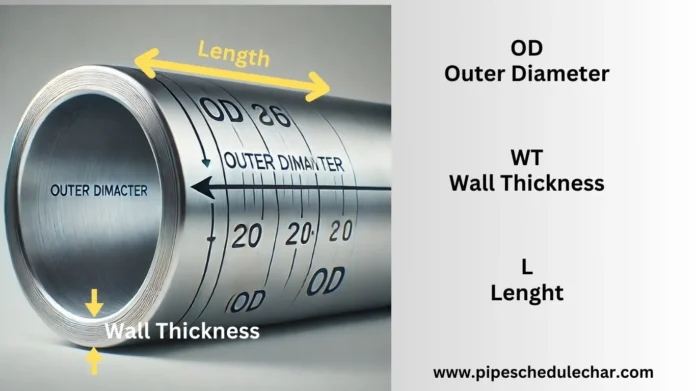
Their weight depends on:
- Outside diameter
- Wall thickness
- Length
Larger pipes naturally weigh more than smaller pipes.
Knowing pipe weight helps during transportation and installation.
Weight Formula for Steel Sheets
Steel sheets are thinner than steel plates.
The calculation method is similar.
You need:
- Length
- Width
- Thickness
- Steel density
This allows manufacturers to estimate the total sheet weight quickly.
Factors That Affect Steel Weight
Several factors affect steel weight.
Size
Larger steel products weigh more.
Longer pieces contain more material.
Thickness
Thicker Steel has more material inside.
As thickness increases, weight also increases.
Shape
Different shapes have different weights.
Examples include:
- Round bars
- Square bars
- Pipes
- Plates
- Sheets
Each shape has its own calculation method.
Material Type
Most steel products use standard steel density.
However, some special steel grades may have slightly different densities.
Benefits of Calculating Steel Weight
Knowing steel weight offers many advantages.
Better Budget Planning
Accurate weight calculations help estimate project costs.
This prevents overspending.
Easier Transportation
Heavy Steel needs proper transport equipment.
Weight calculations help companies plan shipping.
Improved Safety
Structures must support the weight of steel materials.
Correct calculations improve safety.
Better Material Management
Companies can order the right amount of Steel.
This reduces waste.
Where Are Steel Weight Calculations Used?
Steel weight calculations are important in many industries.
Construction Industry
Builders calculate steel weight before starting projects.
This helps with structural design.
Manufacturing Industry
Factories use weight calculations during production.
It helps manage raw materials.
Transportation Industry
Truck and shipping companies need weight information.
This helps avoid overloading.
Engineering Projects
Engineers use steel weight calculations when designing equipment and structures.
Steel Trading
Steel suppliers and buyers use weight calculations to determine prices and quantities.
Common Steel Products That Need Weight Calculation
Many steel products require weight calculations.
These include:
- Steel plates
- Steel sheets
- Steel bars
- Steel pipes
- Steel beams
- Steel coils
- Steel rods
Calculating weight helps ensure accurate planning and purchasing.
Tips for Accurate Steel Weight Calculation
To get accurate results:
Measure Carefully
Always check dimensions carefully.
Even small mistakes can affect the final weight.
Use Correct Units
Keep all measurements in the same unit system.
This helps avoid calculation errors.
Verify Material Specifications
Check the steel grade and product details before calculating.
Use Reliable Formulas
Always use trusted steel weight formulas for better accuracy.
Conclusion
The weight formula for Steel can be very important in manufacturing, construction, engineering, and many different industries. This allows the volumetric weight of a metal product to be routinely calculated from its size and density.
Knowing the weight of metal improves budgeting, transportation planning, clothing customization, and business website maintenance. Whether you’re running with steel plates, bars, pipes, or beams, informed metal weight calculations can help you track time and reduce errors.
Using appropriate formulas and measurements, businesses and experts could make better choices and complete tasks more accurately.