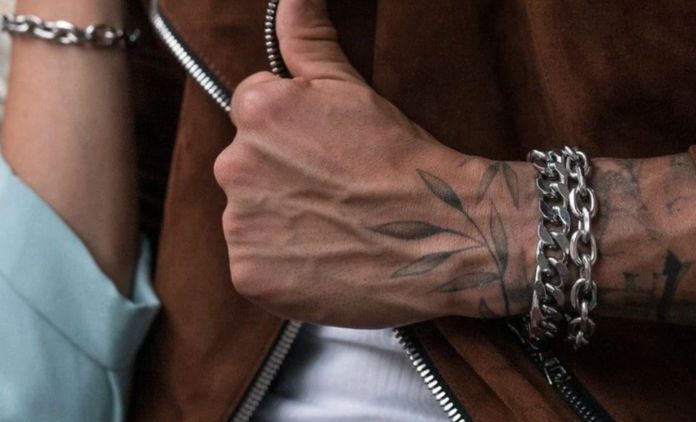

Men’s bracelet trends over the past decade have split into two directions that rarely overlap in stores but end up on a lot of the same wrists: Norse-inspired pieces and faith-based designs. Both carry meaning that goes beyond decoration, and both have specific design conventions worth understanding before you buy.
What Makes a Bracelet Read as “Viking” in the First Place
Genuine Norse-inspired design isn’t just a thick cuff — it’s specific symbolism translated into metalwork. Viking bracelets for men typically draw on a handful of recurring elements:
- Rope or knotwork patterns, referencing the interlaced designs found on actual Norse artifacts.
- Runic inscriptions, either decorative or spelling out specific Elder Futhark symbols tied to protection or strength.
- Wolf, raven, or Thor’s hammer motifs, each carrying distinct mythological associations rather than being purely decorative.
- Cuff-style open bands, which historically were adjustable by design rather than a modern styling choice.
A common mistake buyers make is assuming heavier automatically means more authentic. Actual Norse jewelry varied widely in weight and size — the association with oversized, heavy cuffs is more a product of modern costume and film styling than historical accuracy. A well-proportioned, moderate-weight cuff with accurate knotwork detail is a more grounded choice than the biggest piece on the shelf.
Faith-Based Bracelets Follow a Different Design Logic
Where Viking pieces lean into bold, sculptural metalwork, christian bracelets for guys tend toward restraint. Beaded designs with a cross charm, engraved cuffs with a short verse, and leather-and-metal combinations are the most common formats, and the styling generally stays understated even when the piece carries significant personal meaning.
This isn’t a rule, exactly — plenty of faith-based bracelets do go bigger and more ornate — but the majority lean toward pieces that work under a sleeve or alongside business attire, which sets them apart from the more overtly styled Norse pieces.
Comparing the Two Side by Side
| Viking-Style Bracelets | Christian Bracelets | |
| Typical design | Bold cuffs, knotwork, runic detail | Beaded or engraved, understated |
| Common materials | Stainless steel, oxidized metal | Stainless steel, leather, beads |
| Where it works best | Casual wear, statement styling | Everyday wear, workplace-appropriate |
| Symbolism source | Norse mythology, historical motifs | Scripture, specific verses or symbols |
| Adjustability | Often open-cuff, self-adjusting | Usually fixed-length or elastic beaded |
Neither category is inherently more versatile — it depends entirely on the wardrobe and setting the piece needs to fit into.
Sizing Considerations That Differ Between the Two
Open-cuff Viking bracelets are generally easier to size correctly since they flex to fit a range of wrist sizes without needing exact measurement. Beaded and fixed-band Christian bracelets are less forgiving — a beaded stretch bracelet that’s slightly too small will feel tight within an hour of wear, while one sized too large will constantly spin around the wrist, which is a common complaint with gift purchases where the buyer guessed at sizing.
If you’re buying either style as a gift and unsure of exact wrist size, an open cuff is the safer choice precisely because it doesn’t require a precise fit.
Wearing Both Without It Looking Mismatched
It’s increasingly common for men to wear a faith-based piece alongside a Norse-inspired one, particularly since both categories tend to use similar base metals — oxidized or brushed stainless steel shows up across both styles. The pairing works best when one piece is treated as the dominant statement and the other as a quieter accent, rather than two bold pieces competing on the same wrist.
A thick knotwork cuff paired with a slim beaded cross bracelet reads as intentional. Two heavy cuffs stacked together usually reads as cluttered, regardless of the symbolism behind each one.
Choosing Based on What the Piece Needs to Say
The real difference between these categories isn’t craftsmanship or price — it’s what the wearer wants the bracelet to communicate. A Norse piece tends to signal heritage, strength, or personal identity tied to mythology. A faith-based piece signals something quieter and more personal, often tied to a specific belief or verse rather than a broader aesthetic. Buying with that distinction in mind, rather than picking based on which looks better in a product photo, tends to produce a piece that actually gets worn long-term.