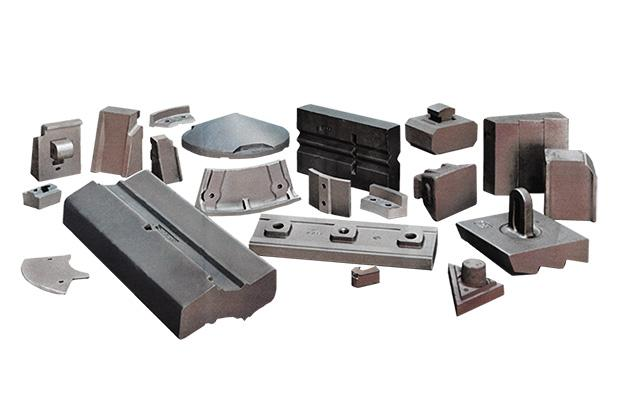

Heavy machinery plays an essential role in industries such as forestry, recycling, mining, and construction. However, these machines often operate under extreme conditions, handling hard materials and working for long hours under heavy loads. Over time, constant impact and abrasion can reduce equipment performance and increase maintenance costs.
Although wear parts are usually small components, they have a direct impact on cutting efficiency, machine reliability, and overall productivity. Using the right wear components can help reduce unexpected downtime, improve operating efficiency, and extend the service life of heavy equipment. Understanding different types of wear parts and their applications is important for equipment owners who want to keep their machines running reliably.
Why Wear Parts Are Important for Heavy Machinery
Heavy machinery is designed to handle demanding tasks, but even the strongest equipment is affected by wear over time. During daily operations, components such as cutting teeth, blades, and tips are exposed to constant impact, abrasion, and pressure. Whether processing wood waste, cutting soil, milling asphalt, or crushing hard materials, these parts must withstand challenging working conditions.
When wear parts become damaged or worn out, machine performance can quickly decline. Operators may experience reduced cutting efficiency, higher fuel consumption, slower production speeds, and more frequent equipment downtime. Replacing worn components at the right time helps maintain stable operation and prevents minor wear issues from causing more expensive repairs.
Since different applications require different designs, materials, and performance characteristics, many equipment owners choose to work with an experienced wear parts manufacturer to find suitable solutions for their specific machinery and operating environments.
Cutting Teeth and Tool Holders for Processing Equipment
Cutting teeth and tool holders are among the most important wear components used in heavy processing equipment. These parts directly contact the material being processed, making them responsible for cutting, grinding, and breaking down tough materials during operation. They are widely used in equipment such as horizontal grinders, tub grinders, forestry mulchers, and trenchers.
Different applications create different wear challenges. Grinder teeth are commonly used for processing wood waste, branches, and other biomass materials, so they need strong impact resistance and reliable cutting performance. Forestry mulcher teeth often work with vegetation, roots, and soil, requiring excellent durability against abrasion. Trencher teeth must maintain cutting efficiency when working through hard ground, rocks, and other challenging materials.
To achieve longer service life, quality cutting teeth and tool holders require high wear resistance, proper hardness, and strong structural strength. Selecting the right design and material based on the working environment can help reduce replacement frequency and keep equipment operating efficiently.
Shredder Blades for Recycling and Waste Processing
Shredder blades are critical wear components in recycling and waste processing equipment. They are commonly used for applications such as plastic recycling, metal recycling, wood processing, and industrial waste management, where machines need to break down different types of materials efficiently.
During operation, shredder blades are exposed to heavy impact, continuous friction, and changing material conditions. Processing hard or abrasive materials can quickly affect blade sharpness and durability if the components are not made with suitable materials and manufacturing processes.
High-quality shredder blades typically require wear-resistant steel, precise machining, and proper heat treatment to achieve reliable performance. The right blade design and material selection can improve shredding efficiency, reduce replacement frequency, and help maintain consistent production output.
For recycling companies and industrial operators, investing in durable shredder blades not only improves machine performance but also helps reduce maintenance interruptions and long-term operating costs.
Road Milling Teeth for Construction Applications
Road milling teeth are essential components used in road construction and maintenance equipment. They are commonly applied in asphalt removal, road rehabilitation, and concrete milling projects, where machines need to remove old surfaces and prepare areas for new construction.
During operation, milling teeth experience strong impact, high-speed rotation, and continuous contact with abrasive materials. Without proper durability and cutting performance, worn teeth can reduce milling efficiency, increase machine vibration, and lead to higher operating costs.
High-quality road milling teeth are designed to maintain reliable cutting performance under demanding conditions. Factors such as material strength, wear resistance, and compatibility with milling machines all affect their service life. Construction companies usually select different milling components based on pavement materials, equipment models, and specific job requirements to achieve better productivity and more consistent results.
Mining and Heavy-Duty Wear Components
Mining and heavy-duty processing environments place some of the highest demands on equipment performance. Machinery used in mining operations, quarrying, and material processing often works with hard materials such as rocks, minerals, and aggregates. These conditions create extreme impact and abrasion, causing wear components to deteriorate faster than in many other applications.
To maintain reliable operation, mining wear parts need to provide excellent strength, wear resistance, and impact protection. High-strength alloy materials and advanced manufacturing processes help these components withstand harsh working conditions and extend service life.
For demanding applications, selecting durable industrial wear components can help maintain equipment reliability in challenging working conditions. The right wear solution allows mining and industrial operators to reduce maintenance interruptions, improve productivity, and achieve better long-term performance from their heavy machinery.
How to Choose the Right Wear Parts for Your Equipment
Choosing the right wear parts is essential for maintaining equipment performance and reducing unnecessary maintenance costs. The best option depends on more than just price, as different machines and applications require different levels of durability and cutting performance.
When selecting wear parts, consider the following factors:
- Equipment type: Make sure the parts are designed for your specific machine and application.
- Working environment: Consider conditions such as impact, abrasion, moisture, and operating intensity.
- Material being processed: Different materials require different wear resistance and cutting capabilities.
- Required service life: Choose components that can meet your production demands and reduce replacement frequency.
- OEM compatibility: Ensure the parts fit properly and perform reliably with your equipment.
By selecting wear parts based on actual operating conditions, equipment owners can achieve better efficiency and long-term value instead of simply choosing the lowest-cost option.
Conclusion
Wear parts may be small components, but they play a major role in the performance and reliability of heavy machinery. From grinder teeth and shredder blades to road milling teeth and mining components, each type of wear part is designed to handle specific operating challenges.
Choosing the right wear solution helps reduce unexpected downtime, improve equipment productivity, and extend machine service life. By understanding different wear part types and their applications, equipment owners can make better decisions and keep their operations running efficiently.