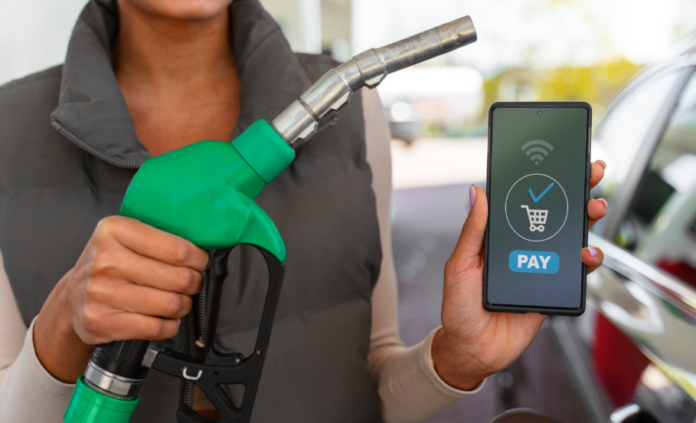

Fuel is one of the biggest bills a New Zealand business pays. Prices climbed hard in 2026, so every litre matters. Paper receipts and cash claims can’t keep up with that. Cards from https://www.cardsmart.co.nz/ put every fill-up in one online record. Nothing gets lost in a glovebox. Nobody guesses at month end. A Z Energy study found fuel eats 12 to 20 percent of operating costs for heavy fleets. That is a big slice to track with a pen. Owners see who bought what, where and when. Here is how a digital fuel card does the job a lot better.
What is a digital fuel card?
It is a payment card that logs every fuel purchase online. You give one to each driver or vehicle. Drivers pay like they would with any card. The system records the date, the place, the litres and the cost. You see it all in one account. CardSmart cards work at over 90 percent of fuel sites in New Zealand. That covers more than 1,400 places to refuel. Drivers don’t hunt for one brand. Going electric? CardSmart +Electric adds a nationwide on-road charging network to the same invoice.
Why do paper receipts fail?
Paper gets lost. It fades, gets crumpled, or never reaches the office. Here is what goes wrong most often:
- Slips vanish in ute doors and van consoles
- Staff type the wrong amount into a claim
- Bookkeepers spend hours chasing missing receipts
- Personal fill-ups slip through unseen
Shell Fleet Solutions says fleets lose 2 to 5 percent of yearly fuel spend to misuse. Most of it is everyday stuff, like filling a family car. A card record shows it in seconds.
How do digital cards control spending?
You decide what each card can buy. CardSmart gives three setups: All Services, All Automobile, and Fuel and Oil Only. A driver on Fuel and Oil Only can’t buy anything else. Simple. Pick the tightest card each driver needs. A 2023 Motive study found 49 percent of fleet operators think up to 5 percent of their fuel spend is fraud. Almost 55 percent said they struggle to spot it. A locked card with a clear trail helps a lot.
Do fuel prices make this matter more?
Yes. The Ministry of Business, Innovation and Employment (MBIE) tracks prices every week. Early September 2026 shows diesel up about 18 percent on the same week in 2023. Higher prices make small leaks cost more. Prices rise and fall, but a card record keeps your own numbers steady.
| Fuel (NZ$ per litre) | Early Sept 2023 | Early Sept 2026 |
|---|---|---|
| Regular petrol | $2.93 | $2.97 |
| Premium 95 | $3.11 | $3.12 |
| Diesel | $2.26 | $2.67 |
How does a digital card cut admin time?
One invoice replaces a pile of slips. Your bookkeeper matches a single tax invoice to a single account. Staff stop filling in expense forms. Owners stop signing off on crumpled paper. The time you save goes back to jobs that earn money. Small teams feel this most. A two-van business can’t afford a part-time receipt clerk. A card does that job quietly.
What else do digital cards save?
Cash flow, for one. CardSmart offers up to 51 days of interest-free credit. Discounts reach 17 cents a litre on diesel and 13 on petrol, with terms. More than 250 service partners cover tyres, glass and servicing. The Energy Efficiency and Conservation Authority (EECA) says most fleets can save at least 10 percent of their fuel bill. Card data shows where to start. Divide kilometres by litres for each vehicle. The thirsty one stands out fast. Do that every month and the pattern is clear.