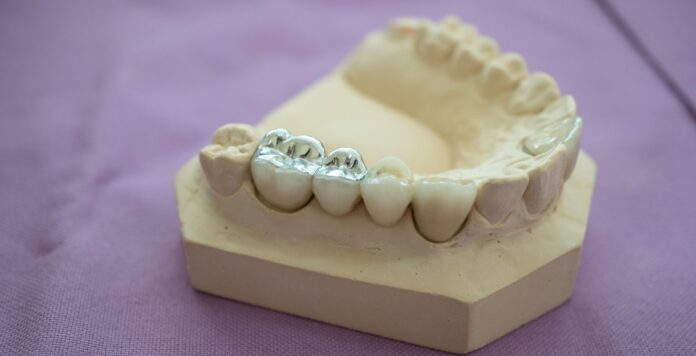

Tooth decay creates small openings that allow bacteria to reach deeper layers of your tooth, causing rot. Dental fillings restore the damaged area after the decayed material is removed and help protect the remaining tooth structure. Your dentist also selects a filling material based on the tooth’s location and how it functions during daily use. Here is information about dental fillings, treatment procedures, and aftercare:
Understand Filling Procedure
A filling procedure begins with a dental examination to identify the affected tooth. X-rays also help determine how far the decay extends below the surface, giving the dentist a more complete view. After the examination, your dentist prepares the tooth before placing the filling. They complete the following steps:
- Dental examination – Your dentist examines the tooth and checks the extent of decay.
- Decay removal – Damaged tooth structure is removed before the restoration begins.
- Tooth preparation – The cleaned area is shaped to support the filling material.
- Filling placement – The selected material is placed and hardened inside the prepared tooth.
- Bite adjustment – Your dentist checks your bite and smooths high spots if needed.
Identify Filling Types
Different types of dental fillings are available to match the location of the affected tooth and its daily function. Composite fillings match the natural color of your teeth, while amalgam ones are often placed in areas exposed to heavier chewing forces. Your dentist evaluates how the restored tooth functions before selecting a material.
Material selection is affected by the cavity’s location. You can have a composite filling for a tooth in front of the mouth that is key in appearance. An amalgam filling is recommended for back molars, which are subjected to higher biting force. This helps keep all the teeth to their original function.
Filling materials replace or restore the tooth after decay removal and help preserve normal chewing. After the damaged area is repaired, the repaired tooth can continue to function normally. In each case, your dentist decides which material would best fit the affected tooth.
Follow Aftercare Instructions
After your appointment, your dentist typically recommends waiting before eating if specific filling materials were used. Good oral hygiene helps keep the restored tooth clean during everyday brushing and flossing. Mild sensitivity to temperature or pressure may occur briefly after treatment. Follow-up appointments allow your dentist to check the filling and confirm it continues functioning as expected. They also give professionals a chance to deep clean your teeth, removing new plaque.
Monitor Filling Condition
A filling changes with regular chewing and everyday tooth use over time. Small cracks, worn edges, or persistent sensitivity may indicate that the restoration needs evaluation or touch-up work. Routine dental examinations help identify these changes before they affect the surrounding tooth. Early assessment also helps determine whether repair or replacement is appropriate.
Get Professional Dental Fillings
Understanding filling materials, treatment steps, and aftercare helps you know what to expect during restorative dental care. Regular dental examinations also help monitor existing restorations and identify changes affecting treated teeth. Dental fillings restore teeth affected by decay while supporting normal biting and chewing functions. Schedule a dental appointment today to learn more about professional dental fillings and the treatment options available for your teeth.