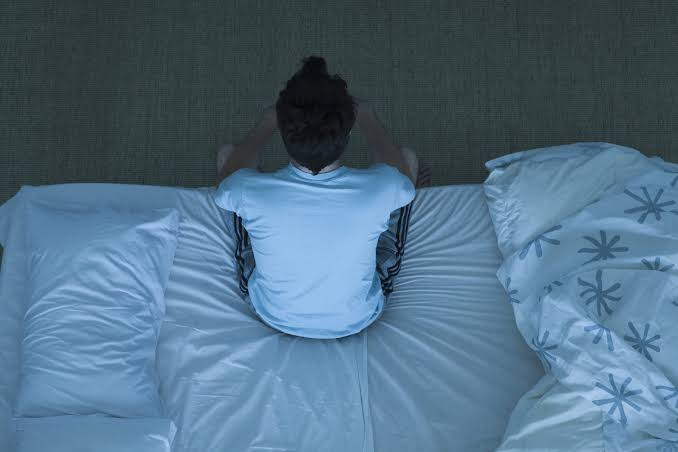

Some people lie awake for hours even when they are exhausted. Others fall asleep easily but jolt awake at 2 a.m., heart pounding, unable to explain why. For a significant portion of adults struggling with chronic sleep problems, the root cause is not a matter of caffeine intake or screen time. It is unresolved trauma living inside the nervous system, quietly running the show long after the original event has passed.
This article looks at the biological relationship between trauma and sleep, explains why standard sleep hygiene advice often falls short for trauma survivors, and examines the treatment approaches that research and clinical practice have found most useful. Whether you have experienced this yourself or are trying to understand it for someone you care about, what follows is grounded in how the brain and body actually work.
Why the Traumatized Brain Resists Sleep
Sleep requires something the traumatized nervous system struggles to provide: a genuine sense of safety. When the brain has been conditioned by overwhelming experience to treat the world as dangerous, it does not simply switch off at bedtime. The amygdala, the brain’s threat-detection center, stays on high alert. Cortisol and norepinephrine levels remain elevated. The body is physiologically prepared to fight, flee, or freeze, which is the exact opposite state needed for restful sleep.
Research published by the American Academy of Sleep Medicine has found that individuals with post-traumatic stress disorder are between four and five times more likely to report significant insomnia symptoms than the general population. But trauma does not have to reach the clinical threshold of PTSD to affect sleep. Adverse childhood experiences, chronic stress from ongoing difficult circumstances, and single-incident traumas in adulthood can all dysregulate the autonomic nervous system in ways that directly interfere with the sleep-wake cycle.
The hippocampus also plays a role. This region is responsible for contextualizing memories, essentially telling the brain that an event belongs to the past. Trauma impairs hippocampal function, meaning memories stay emotionally raw rather than being filed away as history. At night, when the prefrontal cortex quiets down and the brain enters lighter sleep stages, those unprocessed memories surface. This is why intrusive thoughts and nightmares are such common companions to trauma-related sleep problems.
The Sleep Architecture Problem
Healthy sleep cycles through several stages, broadly categorized as non-REM sleep and REM sleep. Non-REM sleep, especially the slow-wave or deep stages, is essential for physical restoration and immune function. REM sleep is critical for emotional processing and memory consolidation. A full night of healthy sleep moves through roughly four to six of these cycles.
Trauma disrupts this architecture in specific and measurable ways. Studies using polysomnography, the detailed overnight recording of brain waves, eye movements, and muscle activity, have found that trauma survivors spend less time in slow-wave sleep, experience more frequent awakenings, and have altered REM patterns. Some research suggests that REM sleep intrudes into earlier parts of the night or becomes fragmented, disrupting the emotional processing it would otherwise facilitate.
| Sleep Stage | Primary Function | How Trauma Affects It |
| Stage 1 Non-REM (Light) | Transition into sleep, muscle relaxation | Hyperarousal makes entry difficult; frequent returns to this stage |
| Stage 2 Non-REM (Light-Moderate) | Heart rate slowing, body temp drop, sleep spindles | Sleep spindles may be reduced, impairing memory consolidation |
| Stage 3 Non-REM (Deep/Slow-Wave) | Physical restoration, immune function, growth hormone release | Significantly reduced in PTSD; leaves person feeling unrestored |
| REM Sleep | Emotional processing, memory integration, dreaming | Fragmented or intrusive; nightmares are common; processing incomplete |
When someone spends less time in deep sleep and has fragmented REM, they wake up exhausted regardless of how many hours they were in bed. This is why trauma survivors often describe sleep as something that happens to them rather than something they do. They show up for it, but the restorative function is simply not being delivered.
Why Sleep Hygiene Alone Is Not Enough
Standard sleep hygiene guidance includes advice like keeping a consistent bedtime, limiting screen use before bed, avoiding alcohol, and making the bedroom cool and dark. These are genuinely sensible recommendations for people whose sleep problems stem from poor habits. For someone whose nervous system is stuck in a chronic threat response, they address the surface but not the source.
Telling a trauma survivor to relax before bed is a bit like telling a person with a broken leg to walk it off. The structural problem has not been treated. Consistent bedtimes do not regulate an amygdala that fires at imagined danger. Blackout curtains do not quiet intrusive memories. The behavioral recommendations remain useful as supportive scaffolding, but they need to be combined with approaches that actually work at the level of the nervous system and memory.
Evidence-Based Treatment Approaches for Trauma-Related Sleep Problems
Several treatment approaches have accumulated meaningful clinical and research support. They differ in their mechanism of action, their format, and what kinds of sleep symptoms they target most effectively.
Cognitive Behavioral Therapy for Insomnia (CBT-I)
CBT-I is widely considered the first-line treatment for chronic insomnia and is recommended over sleep medication by the American College of Physicians. It works by identifying and restructuring the beliefs, behaviors, and physiological patterns that perpetuate poor sleep. Components typically include sleep restriction therapy, stimulus control, cognitive restructuring around sleep-related worry, and relaxation techniques. In populations with mild to moderate trauma histories, CBT-I shows strong results. In those with more significant PTSD, it tends to be more effective when combined with trauma-focused therapy.
Image Rehearsal Therapy (IRT)
IRT was developed specifically to address trauma-related nightmares, which are one of the most disruptive features of sleep problems in trauma survivors. The approach involves writing down a recurrent nightmare, then consciously rewriting it with a different, less distressing ending. The person rehearses this new version of the dream while awake, repeatedly, over several days. The theory is that this rehearsal begins to shift the neural pathways associated with the nightmare. Multiple randomized controlled trials have found IRT reduces nightmare frequency and improves sleep quality in PTSD populations.
EMDR Therapy
Eye Movement Desensitization and Reprocessing, known as EMDR, was originally developed as a trauma treatment and has been endorsed by the World Health Organization and the American Psychological Association for PTSD. Its connection to sleep is increasingly well documented. Growing clinical attention to EMDR’s impact on insomnia reflects findings that when traumatic memories are processed through EMDR, the nervous system dysregulation that was driving the sleep disturbance often reduces significantly, sometimes without sleep being directly targeted at all.
EMDR uses bilateral stimulation, typically side-to-side eye movements, audio tones, or taps, while a person holds a traumatic memory in mind. This process is thought to mimic aspects of REM sleep processing, helping the brain finally complete the emotional integration it was unable to do at the time of the trauma. The result is that memories lose their raw charge, the amygdala stops treating them as present-tense threats, and the nervous system can begin to settle at night.
Medication as an Adjunct
Some medications have specific evidence for trauma-related sleep problems. Prazosin, an alpha-1 adrenergic blocker, has been studied specifically for PTSD-related nightmares and shown benefit in several trials, though a large VA-funded trial published in the New England Journal of Medicine in 2018 found more mixed results in a veteran population. Low-dose quetiapine and certain antidepressants are sometimes used to support sleep in the context of trauma treatment. Medication can lower the floor of suffering enough for other therapies to work, but it does not process the underlying trauma.
What Recovery Actually Looks Like
Recovery from trauma-related sleep problems is rarely linear. Most people experience some improvement relatively early in treatment, typically a reduction in the frequency of nightmares or the time it takes to fall asleep. Deeper improvements in sleep architecture take longer and often follow meaningful progress in the underlying trauma work.
- Nightmares may decrease before overall sleep duration improves
- Emotional reactivity during the day often reduces alongside nighttime improvements
- Sleep quality tends to be a useful marker of whether trauma processing is actually taking effect
- Setbacks during stressful periods are common and do not mean treatment has failed
- Full resolution of sleep problems is a realistic goal for many people, not just management of symptoms
It is also worth understanding that sleep and trauma treatment have a reciprocal relationship. Treating the trauma improves sleep. Better sleep, in turn, improves emotional regulation, reduces hypervigilance, and makes the trauma work itself more tolerable. When both are addressed together, the progress tends to compound.
Choosing the Right Path Forward
Anyone dealing with persistent sleep problems tied to trauma should ideally work with a clinician who understands both insomnia and trauma, because the two are not separate problems requiring separate specialists. They are expressions of the same underlying dysregulation. A good intake assessment will look at sleep history, trauma history, current symptoms, and what the person has already tried.
Treatment is not one-size-fits-all. Someone with prominent nightmares might benefit most from IRT combined with EMDR. Someone whose main complaint is sleep-onset insomnia with racing thoughts might do well starting with CBT-I while simultaneously engaging in trauma therapy. The evidence strongly supports combining approaches rather than pursuing a single modality in isolation.
The core takeaway is this: chronic sleep problems that have not responded to the usual interventions deserve a closer look at their origins. For many adults, the path to genuine, restorative sleep runs directly through processing what the nervous system has been carrying, often for years. That is not a simple road, but it is a real one, and there are effective tools to walk it.