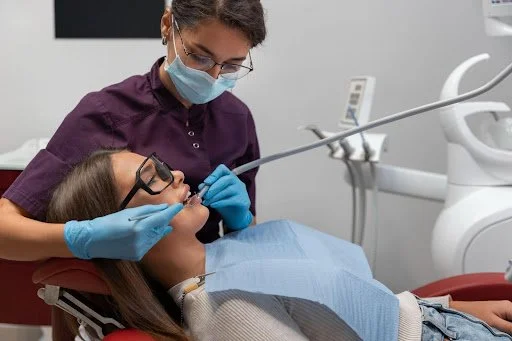

You might be feeling a quiet pressure every time someone in your family mentions a toothache or a cleaning that is overdue. You know dental care matters, yet between school schedules, work, and tight budgets, choosing the right family Easton dentist can feel like one more decision you do not have the energy to make.end
Maybe you have bounced between different dentists for yourself, your partner, and your children. Every visit means new forms, new faces, and new explanations of your family’s history. Or maybe your child had a bad first experience, and now just the word “dentist” brings tears or tension. Because of all this, you might be wondering if it really matters to find one dentist who understands your whole family.
It does matter, and it matters more than most people realize. A dentist who understands family needs becomes more than a person who fills cavities. They become a steady “dental home” for you and your children. That means ongoing, relationship-based care where prevention comes first, problems are caught early, and everyone feels safer and more in control. The right choice can lower long term costs, protect your family’s health, and reduce a lot of stress.
So where does that leave you right now. You need clarity, not pressure. You will see why choosing a family dentist who truly understands family needs can change the way your household experiences dental care, and what to look for when you are ready to make that choice.
Why does a “dental home” matter for your family’s daily life?
Think about the difference between having a regular doctor and going to an urgent care every time something hurts. The urgent care might fix the immediate problem, but they do not really know you. There is no long-term plan. Many families approach dentistry in the same way, bouncing from office to office when there is pain instead of building a long-term relationship.
Pediatric and family experts use the term “dental home” to describe ongoing, coordinated care with a trusted team. The American Academy of Pediatric Dentistry explains that a dental home supports continuous, accessible care and focuses strongly on prevention, not just treatment.
Without this kind of home base, problems often go unnoticed until they are serious. Small cavities turn into root canals. Mild anxiety turns into full-blown fear. Busy parents cancel cleanings because scheduling is a hassle, and children grow up seeing dental visits as rare emergencies instead of a normal part of staying healthy.
When you choose a dentist who understands family needs, that pattern starts to change. You have one place, one team, and one shared history. The office knows that your teenager hates needles, that your youngest chews on everything, and that you are watching your budget. This context shapes every recommendation and every visit.
What happens when a dentist does not really “get” families?
To see the difference more clearly, it helps to look at what often goes wrong.
Imagine a parent, Maria, who brings her 4-year-old to a general dentist who rarely treats children. The office does not schedule longer visits for kids. There are no kid-friendly explanations or tools. When her child cries, the staff seems impatient. The cavity gets filled, but the child leaves frightened, and Maria feels guilty and misunderstood. She postpones the next visit for two years. By then, new cavities have formed, and the cycle repeats, with more cost and more stress.
Now compare that with a family-oriented practice that understands child development, parent concerns, and long-term planning. The child is seen early, often by their first birthday, as recommended in many professional guidelines. The focus is on prevention, gentle cleanings, and teaching. You can see examples of these early care recommendations in resources like guides to establishing a dental home for children.
Instead of waiting for big problems, the dentist coaches the parents on brushing, diet, and habits like thumb sucking. The child starts to associate the dentist with praise, stickers, and familiar faces. Over time, visits become part of the family rhythm, not a crisis.
The emotional impact is only one side. There is also a financial cost when care is scattered or delayed. Early, preventive care is usually far less expensive than emergency treatment. The American Academy of Pediatric Dentistry’s guideline on the dental home emphasizes that early, ongoing care can reduce the need for more extensive and costly treatment later. You can see this focus on prevention in their dental home policy document.
So, where does that leave you? It means that choosing someone who understands family needs is not about finding the fanciest office. It is about finding a steady partner who can grow with your family and help you avoid many avoidable problems.
How does a family dentist who understands you change the experience?
An experienced family dentist looks at each person in the context of the whole household. That perspective changes the way they schedule visits, explain treatment, and plan for the future.
For example, they might coordinate appointments so siblings are seen back to back, which saves you time and reduces missed school or work. They might notice patterns, like frequent cavities in more than one child, and talk with you about shared habits at home. They can also help you prepare for transitions, such as your child’s braces or an older parent’s changing dental needs.
Professional organizations describe this as coordinated, family-centered care. The concept of a dental home is built on this kind of relationship-based approach, where care is accessible, continuous, and tailored to each person’s needs. You can see how experts frame these principles in resources about the dental home model.
When the same team sees your family over time, they can also spot early warning signs. Grinding, mouth breathing, changes in gum health, or shifts in bite can be caught early, when simple steps often help. This can prevent more serious issues in adulthood.
What should you compare when choosing a family dentist?
When you start looking at options, it helps to have a simple way to compare your choices. You are not just choosing a clinic. You are choosing a long-term partner for your family’s health. The table below highlights some key differences between a typical general dentist who does not focus on families and a family-centered dental home that understands family needs.
| Factor | Typical General Dentist | Family Centered Dental Home |
| Approach to Children | Sees children occasionally, no special training in child behavior | Regularly treats children, uses child-friendly language and techniques |
| Scheduling for Families | Individual appointments, limited flexibility for siblings or parents together | Offers grouped or back-to-back family appointments to save time |
| Focus of Care | Often reactive, visits driven by pain or visible problems | Strong focus on prevention, routine checkups, and early intervention |
| Knowledge of Family History | Basic medical history, less attention to patterns across family members | Tracks shared risks and habits, uses this to guide advice and treatment |
| Emotional Support | Limited time for questions, less focus on anxiety or past trauma | Validates fears, uses gentle approaches, builds trust over time |
| Long Term Cost Impact | Higher chance of emergency visits and advanced treatment | More investment in prevention, often fewer expensive surprises |
Looking at it this way, you can start to see that the “importance of choosing a dentist who understands family needs” is really about protecting your time, your budget, and your peace of mind, as much as your teeth.
Three practical steps to choosing the right family dentist
You do not need to get everything perfect on day one. You just need to move from uncertainty toward a more stable, thoughtful plan for your family. Here are three concrete steps you can take.
1. Ask specifically about their experience with families and children
When you call an office, do not be shy about asking direct questions. For example.
- How often do you see children under 6
- Do you offer longer or separate appointments for anxious patients
- Can you schedule siblings together or back to back
The way the staff answers will tell you a lot. A true family dental practice will be used to these questions and will have clear, supportive answers, not vague reassurances.
2. Look for a prevention-focused, “dental home” mindset
Pay attention to whether the dentist talks about long-term planning or only about fixing what hurts now. A dentist who understands family needs will talk about regular checkups, cleanings, fluoride, sealants, and home care habits. They may refer to guidelines about establishing a dental home early in a child’s life, similar to what is described in professional resources such as those on Smiles for Life and the American Academy of Pediatric Dentistry.
You want someone who is thinking about your child at 4, 14, and 24, not just about today’s cavity.
3. Notice how your family feels in the office
Your instincts matter. When you visit for the first time, notice small things.
- Are you greeted with patience, or do you feel rushed
- Does the dentist speak to your child directly in a kind, clear way
- Do you feel safe asking questions about cost, treatment options, and fears
A good family dentist will not make you feel silly for being nervous or for not knowing something. They will explain in plain language, check in on how everyone is doing, and offer choices when possible. Over time, that emotional safety builds trust, which is just as important as any treatment plan.
Moving toward calmer, more confident family dental care
You may still feel a bit overwhelmed, and that is understandable. You are trying to protect your family’s health while juggling many other responsibilities. The good news is that you do not have to change everything at once. Choosing a family dentist who truly understands family needs is one meaningful step that can pay off for years.
You deserve a steady place where your children feel seen, where your questions are welcomed, and where prevention is just as important as treatment. When you find that kind of support, dental visits can become less about fear and more about routine care, and you can carry a little less worry with you day to day.
The next step is simple. Take a short list of possible dentists, ask the questions that matter to you, and notice who feels like a partner rather than just a provider. Your family’s smiles and your own peace of mind are worth that care and attention.