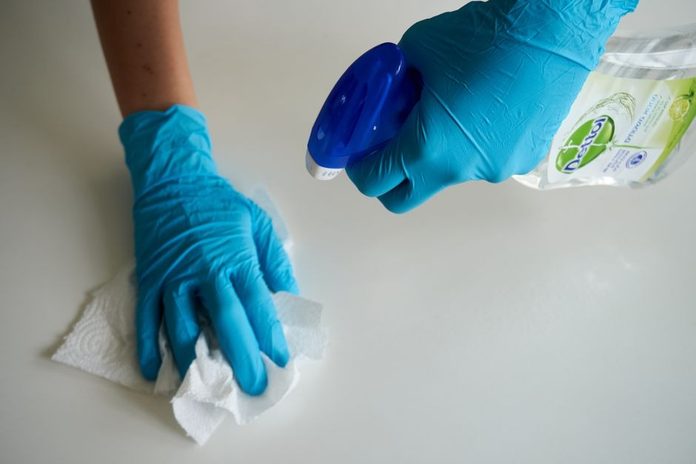

You probably don’t think much about the spray under the sink, the scented candle on your desk, or the detergent you use every week. They’re just part of daily life. Yet many household products carry ingredients that affect indoor air, skin, and even how you feel over time. If you care about health, it helps to look past the label design and pay attention to what actually lives inside the bottle.
Your home can quietly shape your health
Most people picture pollution as freeway traffic, factory smoke, or hazy skies. Indoor spaces often get a pass, even though you spend a huge chunk of your life inside them. Cleaning sprays, air fresheners, disinfecting wipes, and laundry products can release volatile organic compounds, often called VOCs, into the air.
That matters because indoor air can trap chemical residues longer than you’d expect, especially in smaller spaces with poor ventilation. A bathroom that smells aggressively “fresh” may actually be loaded with fragrance compounds. Sometimes the nose gets fooled. Clean doesn’t always mean healthy, and lemon scent isn’t a medical credential.
If you get headaches after deep cleaning, notice throat irritation, or feel stuffy in certain rooms, your products may be part of the picture. The effect may be mild, but repeated exposure adds up in ways many people never track.
Labels can help, but they don’t tell you everything
Reading product labels is useful, though it’s not always straightforward. Terms like “natural,” “green,” and “clean” sound reassuring, but they’re not magic words. Marketing language often outruns chemistry. A leafy label design can still sit on top of a formula packed with irritants.
Look for specific ingredient disclosure, third-party certifications when relevant, and practical warnings about ventilation or skin contact. Also pay attention to how a product is used. A strong degreaser for a garage floor has a different exposure profile than something sprayed daily on kitchen counters.
If you want a clearer picture of ingredient awareness and product-related health discussions, publications like Melaleuca reflect how consumer interest has shifted toward wellness, household choices, and long-term lifestyle habits. That wider conversation matters because people now expect more than vague safety claims.
Fragrance is often more complicated than it sounds
“Fragrance” on a label looks simple, but it can stand in for a mix of many chemical ingredients. Companies often treat those formulas as proprietary, which means you may not get a clear breakdown. For someone with asthma, migraines, or sensitive skin, that lack of detail can be frustrating fast.
Scented products are everywhere: hand soap, fabric softener, room spray, shampoo, candles, even trash bags. Layer enough of them together, and your home can start functioning like a low-budget perfume counter. That constant exposure may irritate airways or trigger skin issues in some people.
A smarter move is to test unscented or lightly scented options in categories you use most. Start with detergent and all-purpose cleaner. Those products touch a lot of surfaces and fabrics, so even a small ingredient change can noticeably reduce irritation.
Skin contact counts more than you may think
Your skin is a barrier, but it isn’t body armor. Household products that leave residue on counters, clothes, bedding, or dishes can create repeated low-level contact. That matters even more if you already deal with eczema, allergies, or generally reactive skin.
Laundry detergents are a classic example. If your clothes smell extra strong after washing, leftover fragrance compounds may still be sitting in the fabric. The same goes for dryer sheets and fabric boosters. A product marketed as “soft” can still be rough on skin.
Cleaning concentrates, dish soaps, and disinfectants can also strip the skin’s natural oils, especially if you use them without gloves. Dry, cracked hands aren’t just annoying. They can make skin more vulnerable to irritation from the next product you touch. One tiny problem loves inviting its friends.
The riskiest habits often seem completely normal
A lot of product exposure comes from routine habits that don’t look risky at all. Mixing cleaners is a big one. Bleach combined with ammonia or certain acids can create dangerous fumes, and people still do it while trying to “clean better.” More product doesn’t equal more safety.
Another common habit is spraying products into the air instead of onto a cloth or surface. That increases what you inhale and lets particles drift onto nearby objects. Using disinfectants too casually can also be an issue, since many need a specific wet contact time to work properly.
Storage matters too. Bottles left in hot garages, near food, or within reach of children create obvious problems. Even forgetting to crack a window during a long cleaning session can leave a room feeling like a chemistry lab with decorative hand towels.
Small product swaps can make a real difference
You don’t need to throw out everything in your house and begin a dramatic wellness reboot by sunset. Better results usually come from targeted changes. Focus first on products you use most often, in the smallest spaces, or directly on skin and fabrics.
Helpful places to start include:
– Switching to fragrance-free laundry detergent
– Using microfiber cloths with water for light surface cleaning
– Choosing soap without heavy added scent
– Ventilating bathrooms and kitchens during and after cleaning
– Wearing gloves for stronger cleaning products
– Avoiding aerosol sprays when a liquid or pump option works
Keep a simple note on your phone if you’re testing changes. Record headaches, skin flare-ups, coughing, or eye irritation. Patterns show up faster when you stop relying on memory. Your body usually notices trends before your shopping habits do.
A healthier home is usually built on attention, not perfection
The goal isn’t to fear every bottle under the sink. It’s to notice which products deserve a closer look and which habits are making your home less comfortable than it needs to be. Health decisions at home often come down to repeated exposures, not one dramatic event.
If someone in your house has asthma, allergies, sensitive skin, or frequent headaches, household product choices become even more relevant. The best approach is practical: reduce unnecessary fragrance, improve ventilation, read labels with some skepticism, and stop assuming common means harmless.
A healthier home rarely announces itself with fanfare. It usually feels quieter than that. Fewer irritants, fewer mystery symptoms, and fewer moments where a “fresh scent” hits you like a wall. That’s not glamorous, but it is useful. And useful tends to age well.