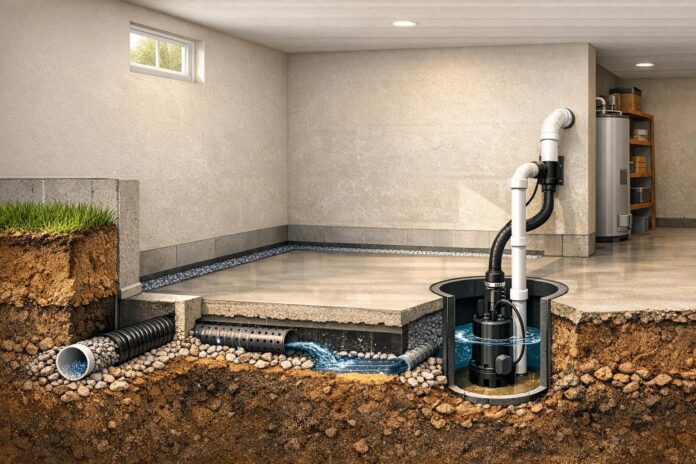

Basement flooding can happen quickly during heavy rainfall, snowmelt, or periods of rising groundwater. For homes equipped with sump pump systems, keeping the equipment in good working condition is an important part of managing excess water around the foundation.
A sump pump collects water from a designated drainage basin and moves it away from the property through a discharge pipe. When the system operates correctly, it can help reduce the risk of water accumulating in basements and crawl spaces.
However, sump pumps need regular attention. Dirt buildup, damaged switches, blocked discharge lines, and power interruptions can affect their performance. Simple maintenance habits can help homeowners identify problems before the equipment is needed most.
Why Regular Sump Pump Maintenance Matters
A sump pump may remain inactive for weeks or months during dry weather. This can make it easy to forget about the equipment until a major storm arrives.
Unfortunately, a pump that worked during the previous rainy season may not operate correctly when needed again.
Mechanical components can deteriorate, debris can accumulate inside the basin, and electrical connections may develop problems over time.
Regular maintenance helps identify these issues before they interfere with water removal.
The Benefits of Routine Inspections
Checking a sump pump periodically can help homeowners:
- Identify unusual motor noises or vibrations.
- Detect problems with float switches.
- Confirm that discharge pipes remain clear.
- Recognize signs of corrosion or equipment wear.
- Test whether backup systems are functioning.
Maintenance cannot prevent every failure, but it can reduce the likelihood of avoidable problems and provide greater confidence during periods of heavy rainfall.
1. Inspect the Sump Pit for Dirt and Debris
The sump pit is the basin where water collects before being pumped away.
Over time, sediment, gravel, dirt, and other debris may accumulate at the bottom.
If these materials enter the pump intake, they can restrict water flow or interfere with moving components.
Large amounts of sediment may also affect the float switch or reduce the usable capacity of the basin.
How to Keep the Basin Clean
Begin by disconnecting the sump pump from its electrical supply, following the manufacturer’s safety instructions.
Inspect the accessible basin for visible debris.
Remove loose materials that can be reached safely without damaging the equipment.
Avoid pulling the pump by its electrical cord or discharge pipe.
If the basin contains significant sediment or the pump needs to be removed for cleaning, professional assistance may be appropriate.
A clean sump pit helps reduce the chance of debris interfering with pump operation.
2. Test the Float Switch Regularly
The float switch controls when the sump pump starts and stops.
As water rises inside the basin, the float moves upward and activates the motor. When the water level falls, the switch should turn the pump off.
If the float becomes stuck, the pump may fail to activate or continue running unnecessarily.
Both situations can create problems.
A pump that doesn’t start may allow water to overflow from the basin, while one that runs continuously may experience excessive wear.
A Simple Float Switch Test
For systems where the manufacturer permits water testing, slowly pour clean water into the sump pit.
Observe whether the float rises and activates the pump.
The pump should remove water and shut off when the level reaches its designated stopping point.
If the float doesn’t move freely or the motor fails to respond, stop the test and arrange an inspection.
Never place your hands inside the basin while the pump is energized.
3. Check the Discharge Pipe for Blockages
The discharge pipe carries collected water away from the sump pump and directs it toward an appropriate drainage location.
If the pipe becomes blocked, the pump may run without removing water effectively.
Leaves, dirt, damaged pipe sections, and freezing temperatures can interfere with discharge flow.
Outdoor outlets may also become buried beneath landscaping materials or obstructed by vegetation.
What Homeowners Should Look For
Inspect the visible discharge outlet periodically.
Make sure it isn’t covered by debris and that water has a clear path away from the foundation.
During a pump test, check whether water exits the discharge line as expected.
If the pump operates but little water reaches the outlet, there may be an obstruction or mechanical problem.
Avoid forcing tools into the discharge pipe or attempting repairs that could damage the system.
A plumber can inspect inaccessible sections and recommend appropriate cleaning or repairs.
4. Make Sure the Check Valve Works Properly
A check valve helps prevent discharged water from flowing backward into the sump pit after the pump stops.
Without a properly functioning valve, water remaining inside the discharge pipe may return to the basin.
This can cause repeated pump activation, sometimes called short cycling.
Frequent cycling places additional stress on the motor and switching components.
Signs of a Check Valve Problem
Listen for water rushing back into the sump pit immediately after the pump shuts off.
Watch for repeated activation when little new groundwater is entering the basin.
A damaged valve may also create unusual pipe noises.
Check valves should be installed in the correct direction and according to the pump manufacturer’s recommendations.
If the valve appears damaged or allows significant reverse flow, professional replacement may be necessary.
5. Keep the Pump Connected to a Reliable Power Source
Most residential sump pumps depend on electricity.
A power interruption during a storm can stop the pump at the same time groundwater levels are increasing.
Homeowners should confirm that the pump is connected to an appropriate electrical outlet and that the power cord is in good condition.
Avoid using extension cords unless the manufacturer specifically permits them.
Electrical connections should meet applicable safety requirements and local codes.
Watch for Electrical Warning Signs
A sump pump that repeatedly trips a circuit breaker may have an electrical or mechanical problem.
Other warning signs include damaged cords, burning odors, and intermittent operation.
Do not repeatedly reset a tripped breaker without identifying the cause.
If electrical components appear damaged or water has reached outlets and wiring, contact a qualified professional.
Electrical safety should always take priority over equipment troubleshooting.
6. Consider a Battery Backup Sump Pump
A primary sump pump may work perfectly under normal conditions but become unavailable during a power outage.
Battery backup systems provide an additional method of removing water when the main pump cannot operate.
Some backup systems activate automatically when the primary pump fails or when water reaches a higher level in the sump basin.
Why Backup Systems Need Maintenance
A battery backup pump is only useful when its battery and associated components are functioning.
Batteries have limited service lives and may lose capacity over time.
Homeowners should inspect battery connections, check system indicators, and follow the manufacturer’s testing schedule.
Some systems use maintenance-free batteries, while others have specific inspection requirements.
Backup systems should be selected based on expected water volume, pumping requirements, and the desired operating time during an outage.
A plumbing professional can help evaluate suitable options.
7. Inspect the Outdoor Drainage Around Your Home
A sump pump is only one part of a home’s water management system.
Poor exterior drainage can increase the amount of water entering the foundation area.
Clogged gutters, disconnected downspouts, and ground that slopes toward the house may contribute to basement moisture problems.
Even a properly functioning sump pump may operate frequently when large amounts of surface water collect near the foundation.
Practical Exterior Drainage Improvements
Keep gutters clear so rainwater can move through downspouts.
Make sure downspouts discharge water away from the foundation.
Inspect the surrounding ground for areas where water repeatedly collects.
Check whether sump pump discharge water flows back toward the house.
Drainage improvements should follow local regulations and avoid directing water onto neighboring properties.
Reducing unnecessary water accumulation near the foundation can help limit the workload placed on the sump pump.
8. Pay Attention to Unusual Sump Pump Noises
Sump pumps produce some operating noise, but changes in sound can indicate developing mechanical problems.
Grinding, rattling, excessive vibration, or unusually loud humming may suggest that components are worn, loose, or obstructed.
A pump that makes noise without moving water may have an intake blockage, damaged impeller, or discharge problem.
When Noises Require Inspection
A brief sound during startup may be normal for some models.
However, persistent grinding or a sudden change in operating noise deserves attention.
Don’t continue operating equipment that appears to be overheating or experiencing severe mechanical trouble.
A technician can inspect the pump and determine whether cleaning, component replacement, or a new unit is appropriate.
Addressing unusual sounds early may prevent the pump from failing during a period of heavy water inflow.
9. Know When Sump Pump Repair or Replacement Is Necessary
Regular maintenance helps extend the useful life of a sump pump, but mechanical equipment eventually wears out.
The appropriate time for replacement depends on the pump’s condition, operating history, and ability to remove water efficiently.
Some problems can be resolved by replacing a float switch, check valve, or other serviceable component.
More extensive motor damage or repeated failures may make replacement a better option.
Factors to Consider Before Replacing a Pump
A professional evaluation should consider the pump’s capacity, discharge height, basin configuration, and expected water volume.
Choosing a replacement based only on horsepower may not provide the right performance.
For homeowners comparing professional sump pump services, information about repair installation options is available through The Drain Guys.
A qualified technician can evaluate the existing equipment and recommend repairs or a replacement system based on the home’s drainage requirements.
10. Prepare Your Sump Pump Before Heavy Rainfall
Storm preparation is one of the most useful times to inspect a sump pump.
Waiting until water begins entering the basement may leave little time to correct an equipment problem.
Before periods of expected heavy rainfall, check the sump pit, test the pump, and inspect the visible discharge outlet.
Make sure the pump activates and shuts off correctly.
If the home has a backup system, confirm that it is ready to operate.
Create a Simple Storm Preparation Routine
Homeowners can develop a routine that includes checking pump operation, reviewing backup power arrangements, and inspecting nearby drainage conditions.
Keep the contact information for a qualified plumbing service accessible.
If the property has experienced previous basement flooding, consider documenting the water levels and conditions associated with those events.
These records may help identify recurring drainage patterns and guide future improvements.
How Often Should a Sump Pump Be Serviced?
Maintenance frequency depends on the manufacturer’s instructions, groundwater conditions, and how often the pump operates.
A system that runs frequently may require more attention than one that activates only during occasional storms.
Homeowners should test the equipment before wet seasons and after long periods of inactivity.
Additional inspections may be useful after major storms or when unusual operating patterns develop.
Professional servicing can include checking the float mechanism, evaluating pump performance, inspecting discharge components, and reviewing the overall installation.
Homes with recurring water problems may benefit from a maintenance schedule tailored to their drainage conditions.
Common Sump Pump Maintenance Mistakes to Avoid
Some well-intentioned maintenance attempts can create additional problems.
One common mistake is ignoring a pump that runs continuously because it still appears to remove water.
Continuous operation may indicate a stuck switch, faulty valve, or drainage issue.
Another mistake is overlooking the discharge outlet. A pump cannot protect the basement effectively if water has nowhere to go.
Homeowners should also avoid using electrical equipment in flooded areas or attempting internal motor repairs without appropriate training.
Finally, don’t assume that an installed backup pump will work indefinitely without testing.
Regular checks are necessary for both primary and backup systems.
Conclusion
A dependable sump pump can play an important role in reducing basement flooding risks, but it needs regular maintenance to operate effectively.
Cleaning the sump pit, testing the float switch, inspecting the discharge pipe, and monitoring unusual noises can help identify developing problems.
Exterior drainage improvements and backup power arrangements may provide additional protection during heavy rainfall.
Homeowners should also recognize when a sump pump needs professional attention rather than relying on repeated temporary fixes.
By following a consistent maintenance routine and responding promptly to warning signs, homeowners can help keep their sump pump systems ready when excess groundwater threatens their property.