
Table of Contents
- Start With the Space You Have
- Solve Moisture Problems Before Building
- Plan for Safety, Egress, and Air Quality
- Choose a Flexible Layout
- Use Lighting to Make the Basement Feel Brighter
- Select Materials That Suit Below-Grade Rooms
- Build Storage Into the Floor Plan
- Follow a Clear Project Sequence
- Common Basement Finishing Questions
- Create a Basement That Gets Used
In Utah, a finished basement can become a comfortable place for family time, hobbies, work, guests, or storage. The best results start well before paint colors and furniture. Homeowners considering basement finishing services like those offered in Utah should first evaluate how the existing space handles moisture, air movement, access, and changing household needs.
From Salt Lake Valley homes to growing communities along the Wasatch Front, lower levels often have potential that is hidden behind unfinished concrete, exposed utilities, and limited lighting. A careful plan helps turn that square footage into a useful extension of the home while preserving access to the systems that keep the house running.
Start With the Space You Have
Begin with the conditions already in place. Measure the full floor area, ceiling height, stair opening, windows, support posts, ductwork, plumbing lines, and utility equipment. Mark areas with low beams or soffits so the layout reflects the real usable space rather than an idealized floor plan.
Also note outlets, drains, vents, water shutoffs, and cleanouts. Mechanical equipment, electrical panels, and plumbing connections usually need practical access after the project is finished. Keeping these locations visible in the planning stage can prevent costly revisions later.
Solve Moisture Problems Before Building
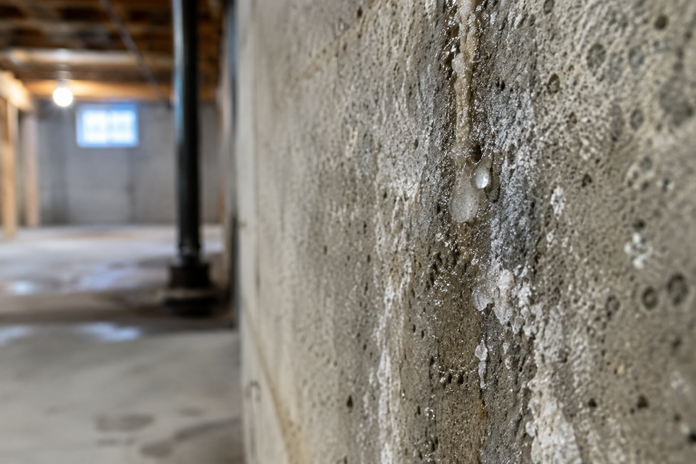
A dry basement is the foundation of a successful finish. Musty odors, peeling paint, stains near windows, white mineral deposits on masonry, puddles, or recurring condensation all deserve attention before insulation, framing, or flooring goes in. The EPA advises addressing leaks and other moisture issues before converting basement space into living space, as damp conditions can support biological growth.
Use an early inspection checklist:
- Check that gutters and downspouts direct water away from the foundation.
- Look for exterior grading that slopes toward the home.
- Inspect walls and floors after substantial rain or snowmelt.
- Check plumbing, sump equipment, and floor drains for proper operation.
- Monitor humidity during different seasons.
- Correct active water problems before closing walls.
When planning is complete, the EPA’s guidance for basement conversions and remodels reinforces the importance of moisture control, ventilation, and flooring that can withstand below-grade conditions.
Plan for Safety, Egress, and Air Quality
A finished basement may involve permits and local requirements for stairs, electrical work, plumbing, smoke alarms, carbon monoxide alarms, heating, and ceiling height. Requirements can differ by municipality, so confirm the details with the local building department before finalizing the design.
The distinction between a general recreation room and a sleeping room is especially important. A basement bedroom may require a compliant emergency escape and rescue opening, along with other code considerations. Do not assume an existing basement window meets the necessary criteria.
Air Quality Checks To Include
- Test for radon before covering floors and walls.
- Have combustion appliances evaluated if the basement contains them.
- Plan exhaust ventilation for a bathroom or laundry area.
- Use dehumidification or another moisture-control strategy when needed.
- Retest radon after major remodeling work.
Because radon can enter a home from the soil and build up indoors, the CDC recommends testing and explains when homeowners should consider mitigation for elevated readings.
Choose a Flexible Layout
A flexible layout often provides more long-term value than a basement built around one narrow purpose. An open central area can support movie nights, playtime, workouts, homework, casual gatherings, and quiet reading without needing a separate room for every activity.
Useful Basement Zones
- Family zone: Comfortable seating, games, and everyday relaxation.
- Media zone: Television placement, speaker planning, and hidden storage for electronics.
- Work zone: A desk, task lighting, outlets, and some separation from household activity.
- Exercise zone: Open floor space, durable surfaces, and ventilation.
- Guest zone: Privacy, convenient bathroom access, and room for belongings.
- Utility zone: Laundry, seasonal items, tools, and home systems.
Consider traffic flow before adding walls. The route from the stairs to storage, laundry, a bathroom, or an exterior door should not force people through the center of a seating area.
Use Lighting to Make the Basement Feel Brighter
Basements benefit from layered lighting. One bright ceiling fixture can create glare while leaving corners dim. Combine general lighting with focused task lighting and softer accent lighting so that each part of the room serves its intended purpose.
- General lighting: Evenly spaced ceiling fixtures or recessed lights.
- Task lighting: Desk lamps, reading lights, and under-cabinet fixtures.
- Accent lighting: Wall sconces, shelf lights, or stair lighting.
- Lighting controls: Dimmers and separate switches for different zones.
Lighter wall colors, open sightlines, mirrors, and thoughtfully placed glass doors can also help available natural and artificial light reach farther into the space.
Select Materials That Suit Below-Grade Rooms
Material choices should account for the concrete slab, foundation walls, intended use, and moisture history. Flooring, insulation, trim, paint, and wall assemblies should be selected for durability and appropriate moisture management, not simply appearance.
Review moisture-tolerant flooring, insulation suited to below-grade walls, easy-to-clean surfaces near bathrooms, and sound-control materials near media rooms or bedrooms. Avoid trapping moisture within wall assemblies by using unsuitable insulation or vapor-control approaches. If conditions are uncertain, seek guidance from a qualified building professional before selecting a system.
Build Storage Into the Floor Plan
Storage should be part of the design, not an afterthought. Use the space beneath stairs, add tall cabinets for seasonal items, include closed storage for games and electronics, and leave access panels near plumbing or mechanical equipment. Built-in shelving can define activity zones without making the basement feel like a series of small rooms.
For example, a family room may function better with one compact storage wall and a generous open play area than with several small rooms that restrict furniture placement.
Follow a Clear Project Sequence
- Inspect the foundation, windows, floor, and utilities.
- Address water, drainage, humidity, and radon concerns.
- Confirm permit and code requirements.
- Draw the layout and identify the purpose of each zone.
- Plan electrical, plumbing, heating, cooling, and ventilation work.
- Choose insulation and moisture-control methods.
- Complete framing and rough-in work.
- Install finishes, lighting, storage, and final safety features.
Common Basement Finishing Questions
Should a Basement Be Finished All at Once?
A phased project can work when budget or household needs are still evolving. Plan future wiring, utility access, and room boundaries before closing walls so later work remains practical.
Is an Open Basement Better Than Several Rooms?
Open layouts offer flexibility and make furniture placement easier. Separate rooms can provide privacy and sound control. The better choice depends on how the household will use the space most often.
What Is the Best Flooring for a Basement?
The right flooring depends on moisture conditions, comfort preferences, maintenance needs, and available ceiling height. Evaluate the slab and any past water concerns before choosing a product.
Can a Basement Become a Legal Bedroom?
It may be possible, but local rules can affect egress, ceiling height, alarms, heating, ventilation, and permits. Confirm requirements before treating a room as a sleeping space.
Create a Basement That Gets Used
A finished basement becomes more valuable when it is comfortable, safe, and adaptable. In Utah, careful planning around moisture, air quality, layout, lighting, materials, and storage can help create a lower level that supports daily life for years to come.