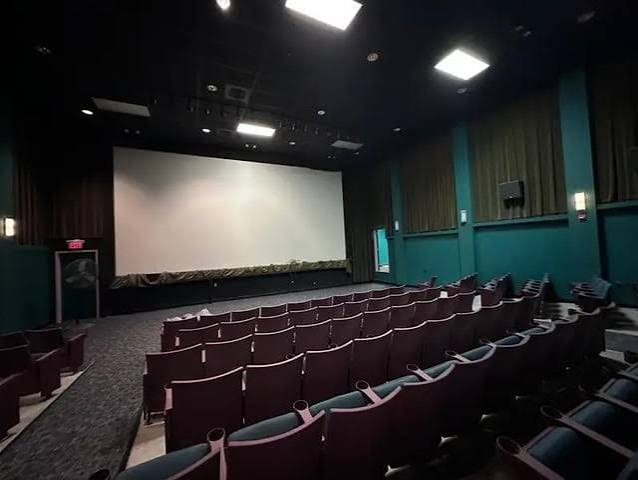

According to Irwin Seating Company’s auditorium design resource (published May 25, 2021), sight lines improve dramatically when a venue elevates its focal point and increases the elevation change between rows, a principle that reshaped how cinemas are built today. Anyone who has sat behind a tall stranger during a two-hour film understands why that detail matters so much. The seat you choose, and the type of theater you choose, can make or break the entire movie-going experience.
This comparison breaks down how a stadium seating movie theater stacks up against the older, flat-floor design, and which one actually serves audiences better in 2026.
What Is Stadium Seating Movie Theater Design, Exactly?
A stadium seating movie theater arranges rows on individually raised platforms, so each row sits a few inches higher than the one in front of it. The direct result is an unobstructed sightline to the screen, regardless of who sits ahead of you or how tall they are. This layout borrows its structure from sports arenas, where every level of seating is staggered upward for the same reason.
Traditional seating, by contrast, uses a flat or gently sloped floor. Rows sit close to the same level, and a taller patron or an oversized hat can block part of the screen for the row behind. This was the industry standard for most of the 20th century before multiplexes began renovating in large numbers.
Key differences at a glance:
- Stadium seating uses vertical risers between rows; traditional seating uses a shallow incline or none at all
- Stadium rows are typically spaced farther apart for legroom and walk-through space
- Traditional layouts pack more seats into a smaller footprint
Why Did Movie Theater Stadium Seating Become the Industry Norm?
Movie theater stadium seating spread quickly in the 1990s because attendance was slipping and theater chains needed a reason to bring people back. A U.S. Patent and Trademark Office filing on cinema theatre conversion, citing reporting from the Los Angeles Business Journal, notes that stadium-style auditoriums were built specifically to fix sightline complaints and were credited with helping reverse the attendance slide. Once one chain adopted the format, older flat-floor houses started to look outdated by comparison.
Within a decade, stadium seating in a movie theater went from a novelty upgrade to a baseline expectation. Renovation became a competitive necessity rather than a luxury add-on.
The Renovation Wave
Multiplex owners across the country tore out old flat floors and replaced them with tiered platforms during this period. It was not a cheap fix, but operators viewed it as cheaper than losing ticket sales to a competitor down the street with better seats.
How Do Sightlines Actually Compare Between the Two Layouts?
Sightlines are where stadium seating in movie theater design wins decisively. Because each row rises above the one before it, your view of the screen stays clear even in a packed house. Traditional seating depends heavily on where you sit; front rows crane your neck upward, and middle rows risk a blocked view from taller patrons.
A quick way to picture the difference:
| Feature | Stadium Seating | Traditional Seating |
| Sightline consistency | High across all rows | Varies by row and neighbor height |
| Legroom | Generally wider aisles | Often tighter spacing |
| Seat capacity per square foot | Lower | Higher |
| Renovation cost for older venues | High | Low (already built) |
| Common in modern multiplexes | Yes | Rare, mostly older independent theaters |
Sightline clearance data referenced from Irwin Seating’s elevation sight line study, which illustrates how row-to-row angle changes affect visibility from front to back.
Sound Behaves Differently Too
Elevated rows also change how sound travels through the room. Audio engineers designing tiered auditoriums can angle speakers more consistently toward each row, which tends to produce steadier volume and clarity throughout the house compared to flat floors where sound has to travel across a level plane.
What Is Stadium Seating Movie Theater Comfort Like Compared to Older Halls?
Comfort tends to favor stadium seating, mainly because of spacing and seat design rather than the tiers themselves. Newer stadium auditoriums were often built alongside wider seats, cupholders, and reclining options, since renovations gave theater owners a reason to upgrade everything at once.
Traditional theaters, especially ones that have not been renovated since the 1980s, often have narrower seats and less legroom simply because seating density mattered more than personal space when they were designed.
Common comfort factors people mention:
- Seat width and cushioning
- Distance between rows (legroom)
- Ease of getting in and out mid-film without disturbing others
- Cupholder and tray availability
How Do You Pick the Right Type of Theater for a Specific Film?
The right choice depends on what you are watching and how you plan to watch it. For most modern releases, a stadium seating movie theater is the safer bet because it guarantees a clear view no matter where you end up sitting. For revival screenings or arthouse films shown in historic venues, traditional seating is often part of the charm and may be the only option available.
A simple process for choosing:
- Check the theater’s seating type before booking, most listings note “stadium” or “reserved recliner” seating
- Book middle rows in traditional theaters to reduce the odds of a blocked view
- Arrive early if seating is unreserved, since front-row stadium seats can still feel too close to the screen
- Ask about accessible seating if mobility is a concern, since stadium tiers sometimes require stairs
- Read recent reviews for the specific auditorium, not just the theater chain, since renovation quality varies by location
Which Seating Style Wins for Long-Term Theater Attendance?
Stadium seating comes out ahead for most audiences because it removes the guesswork from ticket buying. You are not gambling on who sits in front of you or hoping for a good angle. That consistency is a large part of why the format became the default across nearly every major chain built or renovated since the 1990s.
Traditional seating still has a place, particularly in smaller independent theaters where the atmosphere and history carry their own appeal. But for a reliable, repeatable experience across multiple visits, stadium seating movie theater design remains the stronger option for most moviegoers heading into a weekend showing.
Frequently Asked Questions
Does stadium seating cost theaters more to install than traditional seating?
Yes, tiered platforms require structural changes to the floor itself, which raises construction and renovation costs compared to a flat or gently sloped floor.
Are stadium seating auditoriums generally smaller in total seat count than traditional ones?
Often, yes. The wider spacing between risers and rows means fewer seats fit into the same square footage compared to a densely packed flat-floor layout.
Can older traditional theaters be retrofitted with stadium seating without a full rebuild?
It is possible but expensive, since the floor typically needs to be re-poured or built up in tiers, which usually requires closing the auditorium for weeks.
Do IMAX and premium large-format screens always use stadium seating?
Nearly always, since the extreme scale of the screen makes an unobstructed line of sight even more important than in a standard auditorium.
Is stadium seating better for people with a fear of heights or mobility issues?
Not always. Some patrons find the steep risers and stairs harder to navigate, so accessible seating near the entrance is worth requesting ahead of time.
Does seat elevation affect how loud a movie feels in different rows?
Slightly. Rows closer to the screen in a steep stadium layout can feel more immersive but also louder, since they sit closer to the speaker array.
Are drive-in theaters considered stadium or traditional seating?
Neither, technically. Drive-ins use vehicle positioning rather than fixed rows, though many arrange the lot on a slight incline for similar sightline reasons.