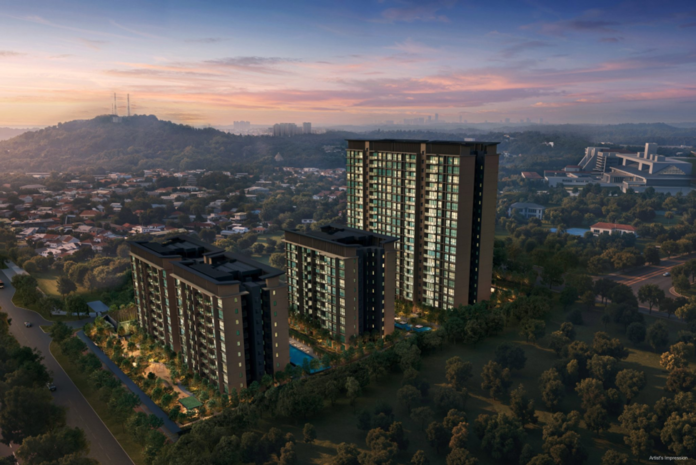

Singapore’s real estate market operates heavily on leasehold properties, where a 99-year countdown begins the moment developers break ground. As these properties age, buyers face the reality of lease decay, affecting both financing options and resale values. While new launch sites like those near Lucerne Grand offer fresh 99-year leases, older private residential developments eventually require a lease top-up to maintain their market appeal. Managing this process involves understanding state policies, financial obligations, and collective owner consensus. This guide breaks down how property owners can successfully secure a lease extension from the Singapore Land Authority (SLA) to protect their long-term housing investments and restore their property’s market value.
Understanding the Lease Top-Up Process
A lease top-up refers to an application made to the Singapore Land Authority to extend the remaining lease of a property back to its original tenure, typically 99 years. This process does not happen automatically. The state evaluates each application on a case-by-case basis, considering factors like urban planning alignment and land optimization.
SLA Evaluation Criteria
The SLA, in consultation with the Urban Redevelopment Authority (URA), assesses whether the land fits into Singapore’s long-term master plan. If the government earmarks the area for redevelopment or infrastructure projects, the authorities will reject the application. However, if the current land use remains aligned with future zoning plans, approval becomes highly probable.
Financial Commitments
Owners must pay a land premium, also known as a differential premium, to secure the extension. This cost is calculated using the SLA’s payment table, which factors in the difference in land value before and after the lease extension. For example, older boutique developments like the Thomson Reserve face unique challenges during this phase, as the total premium must be divided among a smaller pool of subsidiary proprietors. This financial burden requires careful planning and consensus among all unit owners before submitting a formal application to the state.
Why Lease Top-Ups Matter for Older Condominiums
As a leasehold property crosses the 30-year mark, its value begins to depreciate at an accelerated rate, a phenomenon known as the Bala’s Curve effect. This depreciation directly impacts a buyer’s ability to secure financing. Central Provident Fund (CPF) usage becomes restricted if the remaining lease cannot cover the youngest buyer until the age of 95. Furthermore, banks reduce the loan-to-value (LTV) limit for properties with less than 60 years remaining, making it difficult for future buyers to secure mortgages.
Financing Restrictions
When financing limits tighten, the pool of eligible buyers shrinks dramatically. This restriction depresses the property’s market price, making it less competitive against newer developments. For instance, buyers looking at modern projects in the Thomson Reserve precinct enjoy unrestricted CPF usage and maximum bank loans, putting older estates at a severe disadvantage.
Preserving Legacy Value
A successful lease top-up resets the clock, immediately removing these financing barriers. It restores the property’s eligibility for standard bank loans and CPF usage, which revitalizes its market value. For long-term owners, this process preserves the legacy value of their home, ensuring they can pass the asset to the next generation without worrying about a dwindling lease.
The Financial Calculations and Land Premium Costs
Calculating the cost of a lease top-up involves complex financial formulas set by the government. The primary component is the lease upgrade premium, which represents the difference in value between the existing short lease and the fresh 99-year lease. The SLA utilizes a standardized leasehold table to determine this value, expressed as a percentage of the freehold land value.
The Role of Valuers
To initiate the process, the management corporation strata title (MCST) typically hires independent professional property valuers. These experts assess the current market value of the land and estimate the premium required by the SLA. For a development like the Lucerne Grand, which sits on prime freehold or long-leasehold land in District 11, the land value is exceptionally high, meaning the absolute top-up premium will be substantial.
Allocating Costs Among Owners
Once the SLA provides the official premium figure, the MCST must allocate the costs. Usually, this allocation corresponds to the share value of each unit. Owners must also account for ancillary expenses, including legal fees, valuation reports, and survey costs. Because these costs cannot be financed using standard home renovation loans, owners must prepare sufficient cash reserves or seek specialized bridging loans to cover their share of the development premium.
Collective Agreement and Legal Hurdles
Securing a lease top-up requires a high level of cooperation among unit owners. Unlike an en bloc sale, which requires an 80% or 90% consensus depending on the property’s age, a lease extension application typically requires unanimous consent from all subsidiary proprietors if it involves changing the lease terms of the master title. This requirement makes the process exceptionally difficult to execute.
The Challenge of Diverse Demographics
Different owners have varying financial situations and long-term plans. Elderly residents might resist paying a hefty premium because they do not plan to sell, while younger investors might push for the top-up to maximize resale profits. In contrast, buyers of newer properties in areas like Thomson Reserve do not have to worry about these communal disputes for decades.
Comparing Top-Ups to En Bloc Sales
For older estates, the MCST must weigh the benefits of a lease top-up against a collective sale. An en bloc sale allows owners to exit with a premium payout, whereas a lease top-up requires them to inject fresh capital. However, if the property is structurally sound and located in a highly desirable area, such as the Lucerne Grand enclave, a lease top-up can yield higher long-term returns by preserving a prime residence.
Step-by-Step Guide to Applying for a Lease Extension
Embarking on a lease top-up journey requires a structured approach to ensure compliance with regulatory frameworks. The process begins within the estate’s management committee, where owners must formally table the proposal.
Step 1: Convening an Extraordinary General Meeting
The MCST must call an Extraordinary General Meeting (EGM) to discuss the feasibility of the lease extension. During this meeting, owners appoint professional consultants, including lawyers and property valuers, to draft a comprehensive feasibility study and estimate the financial commitments for each household.
Step 2: Submission to the Authorities
Once the owners reach an agreement, the appointed legal representative submits a formal application to the SLA. The SLA then consults with the URA to verify that the private residential development aligns with national planning policies. This review process can take several months to a year, as authorities evaluate the long-term utility of the site.
Step 3: Accepting the Offer and Payment
If approved, the SLA issues an Offer of Provisional Permission, detailing the exact premium required. The MCST has a specific timeframe, usually three to six months, to collect the funds from all owners and pay the premium. Once the payment is processed, the SLA executes the new lease document, officially resetting the property’s tenure.
Conclusion
Securing a lease top-up is a complex but highly rewarding endeavor for owners of aging leasehold properties in Singapore. While the financial costs and the requirement for owner consensus present significant hurdles, the long-term benefits of resetting a property’s lease are undeniable. A successful extension removes restrictive financing barriers, restores market valuation, and secures the property’s legacy for future generations. Whether comparing options against new developments or managing the unique challenges of boutique estates, understanding the regulatory and financial steps is essential. By taking proactive measures and working closely with professional advisors, homeowners can successfully protect their real estate investments and enjoy peace of mind in Singapore’s dynamic property market.