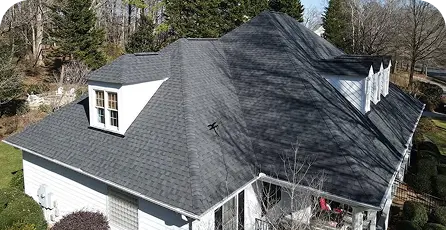

Your roof is the primary defense system for your home. It stands between your family and the harshest elements, from scorching summer heat to torrential winter downpours. Yet, according to B&R Summerlin Management team, many homeowners overlook this vital structure until a major issue arises. A failing roof can lead to extensive water damage, compromised insulation, and costly structural repairs. Prioritizing the health of your roof ensures your property remains safe and comfortable year-round.
Finding a reliable roofing service is essential for protecting your property. You need a team that understands local weather patterns, uses premium materials, and applies meticulous attention to detail. A high-quality installation or repair extends the lifespan of your roof and significantly boosts your home’s curb appeal.
Investing in professional roofing services guarantees that every shingle, flashing, and underlayment functions perfectly together. This post explores the essential components of a robust roof, the signs that indicate you need professional help, and the steps you can take to safeguard your home for decades to come.
The Core Elements of a Durable Roof
A truly durable roof is a complex system of interconnected parts working in harmony. It requires more than just nailing down some shingles. Understanding these components helps you appreciate the value of professional installation.
Premium Underlayment and Insulation
The underlayment serves as the crucial second layer of defense against moisture. If wind-driven rain penetrates the outer shingles, the underlayment prevents water from seeping into your attic. Proper insulation goes hand-in-hand with this moisture barrier. Good insulation regulates the temperature inside your home, preventing heat from escaping during the winter and keeping your living spaces cool during the summer. This thermal regulation also prevents ice dams from forming on your roof edges in freezing climates.
High-Quality Surface Materials
The visible layer of your roof takes the brunt of the weather. Asphalt shingles are highly popular due to their cost-effectiveness and durability. Metal roofing offers incredible longevity and reflects solar heat. Tile and slate provide distinct aesthetic appeal alongside unmatched fire resistance. Selecting the right surface material depends on your specific climate, budget, and architectural preferences. A professional roofing contractor will guide you toward the best option for your specific neighborhood.
Effective Ventilation and Flashing
Ventilation allows your roof to breathe. Soffit and ridge vents work together to push hot, moist air out of the attic. Without proper ventilation, moisture builds up, leading to wood rot and mold growth. Flashing consists of thin metal strips placed around roof transitions, chimneys, and skylights. These areas are highly susceptible to leaks. Properly installed flashing directs water away from these vulnerable seams, maintaining the watertight integrity of your entire roof.
Recognizing When It Is Time for a Replacement
Roofs deteriorate gradually. Catching the early warning signs can save you from dealing with catastrophic interior damage.
Visible Shingle Degradation
Inspect your roof from the ground using binoculars. Look for shingles that are curling at the edges, cracking down the middle, or missing entirely. Asphalt shingles shed their protective granules as they age. If you notice a heavy accumulation of these coarse granules in your gutters, your roof is likely nearing the end of its functional life. Bare spots on the shingles leave the underlying materials exposed to UV rays and rain.
Interior Moisture and Sagging
The most alarming signs of roof failure often appear inside the house. Water stains on your ceiling or down your interior walls indicate an active leak. Check your attic during a heavy rainstorm to see if any water is actively dripping. Additionally, a sagging roof deck is a severe structural red flag. This sagging usually means moisture has rotted the wooden supports underneath, requiring immediate professional intervention to prevent a partial collapse.
Why Preventive Maintenance Saves Money
Routine maintenance is the most effective way to maximize your roofing investment. Small interventions prevent minor wear and tear from escalating into expensive disasters.
Clearing Debris and Gutters
Leaves, branches, and pine needles accumulate on your roof over time. This debris traps moisture against the shingles, accelerating deterioration and promoting the growth of algae or moss. Clogged gutters pose an even bigger threat. When water cannot flow freely through the gutter system, it backs up under the roofline. Cleaning your gutters twice a year ensures water drains safely away from your foundation and roof edges.
Professional Annual Inspections
Having a professional inspect your roof annually catches hidden issues that an untrained eye will miss. Experts know exactly where to look for subtle signs of flashing failure, micro-cracks, and seal degradation. They can perform minor patching and caulking on the spot. This proactive approach keeps your roof in peak condition and helps maintain your manufacturer’s warranties, which often require proof of regular maintenance.
Taking the Next Step for a Safer Home
T Mix Roofing shields your family from harsh weather conditions while significantly boosting your property value. A structurally sound roof eliminates the constant worry of leaks during a heavy storm and reduces your monthly energy bills by improving thermal efficiency. By trusting dedicated professionals with your roofing needs, you ensure that every aspect of the installation process is handled with precision and care.
Protecting your home is a long-term commitment. Regular inspections, prompt repairs, and high-quality material selection are the cornerstones of responsible homeownership. Take action today by scheduling a comprehensive evaluation of your current roof, and enjoy the lasting confidence that comes with a well-protected home.