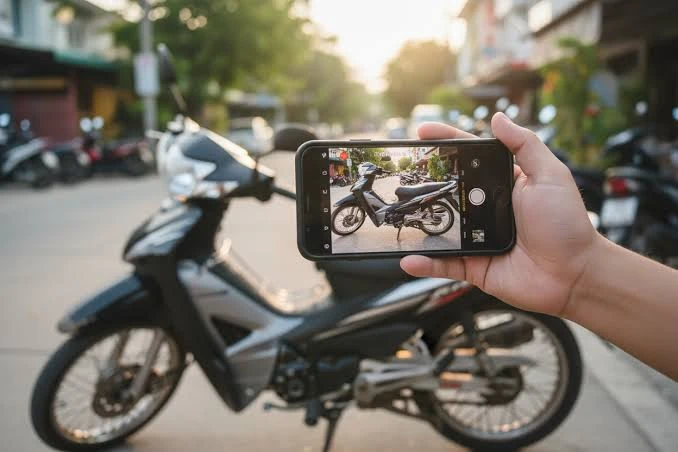

Most rental shops in Thailand hand you a bike with either no insurance or a basic third party policy that barely covers the other person’s damages, not yours. If you crash, you’re usually on the hook for repair costs, medical bills, and sometimes the full replacement value of the bike unless you’ve arranged separate cover yourself before picking up the keys.
Ask any expat who’s rented a scooter in Phuket, Chiang Mai, or Koh Samui and you’ll hear some version of the same story. The shop owner waves a hand and says don’t worry, it’s insured, and that’s usually the last honest conversation you have about coverage until something goes wrong. Rental insurance in Thailand is inconsistent at best, and understanding what you’re actually covered for before you ride off matters more than most tourists realize.
What Rental Shops Actually Give You
A small shop renting scooters by the day typically has a compulsory Thai motor insurance policy called Por Ror Bor, which covers basic injury costs for third parties involved in an accident. It doesn’t cover you, the rider, and it doesn’t cover damage to the bike itself. Some larger rental operations add a voluntary policy on top, but coverage limits and what counts as a claimable accident vary enormously from one shop to the next.
This is exactly why checking motorbike insurance thailand options independently before you rent makes sense. A separate policy arranged through a proper insurer fills the gap that rental shop cover leaves open, particularly around medical costs, third party liability limits, and damage to the bike you’re riding.
Why Rental Shop Coverage Falls Short
Rental shops are in the business of renting bikes, not managing risk. Their insurance, where it exists, is priced to meet a legal minimum rather than to protect the rider. Three gaps come up again and again.
1. No Cover for the Rider
Basic Thai compulsory insurance protects the other party in a collision. If you’re the one who comes off the bike and breaks a wrist or needs stitches, that policy generally does nothing for you.
2. Damage Excess That Isn’t Disclosed Upfront
Many shops hold a cash deposit or your passport against damage, then decide after the fact how much of that deposit gets returned. Without a written policy specifying an excess amount, this becomes a negotiation rather than a clear claims process.
3. Exclusions for International License Requirements
Riding without a valid international driving permit alongside your home license can void any cover the rental shop claims to offer, even the basic compulsory policy. Thai authorities and insurers both treat this requirement seriously after an accident, not before one.
Foreigners renting bikes face different obstacles than locals do, mainly because motorbike insurance for foreigners often requires a valid international license, a minimum age, and sometimes proof of local address before a standalone policy can even be issued. Sorting this out before you travel avoids a scramble at the rental counter.
What a Separate Motorbike Policy Should Cover
A policy bought independently of the rental shop should go further than the shop’s basic compliance cover. Look for these core areas before choosing one.
1. Third Party Liability
This covers injury or damage you cause to another person or their vehicle. Thailand’s roads carry serious risk from mixed traffic, and liability limits on cheap shop policies are often too low to cover a real hospital bill for someone else.
2. Personal Accident and Medical Cover
This pays out for your own injuries, whether that means a clinic visit for road rash or a longer hospital stay after a more serious crash. Private hospital treatment in tourist areas isn’t cheap, and rental shop policies almost never include this.
3. Damage to the Rented Bike
Cover here reimburses the rental shop (and therefore you) for damage to the bike itself, up to a stated limit. Read the fine print on what counts as an accident versus normal wear, since shops sometimes try to claim minor scratches as damage.
4. Theft Cover
Scooter theft is common in high tourist areas. A policy with theft cover protects you from being billed for the full replacement value of a bike that’s stolen from outside your accommodation or a restaurant.
Types of Motorcycle Insurance in Thailand
Thai motor insurance is sold in classes, and the class determines what’s actually covered.
• Class 1: the broadest cover, including own damage, theft, fire, and third party liability
• Class 2: covers theft and fire plus third party liability, but not accidental damage to your own bike
• Class 3: third party liability only, the type most rental shops rely on as their minimum
Renters aiming for real protection should look past Class 3 and toward Class 1 or Class 2 equivalents when arranging separate cover, since these are the classes that actually respond to an accident involving your own bike.
How to Check Before You Ride
A short checklist before handing over a deposit saves a lot of arguments later.
1. Ask the shop directly what insurance class the bike carries and get it in writing if possible.
2. Confirm whether the policy covers the rider or only third parties.
3. Check the deposit terms and what counts as chargeable damage.
4. Confirm your international driving permit is valid for motorbikes specifically, not just cars.
5. Arrange separate rider and liability cover if the shop’s policy doesn’t include it.
Finding the Best Cover as a Foreign Rider
Best motorbike insurance Thailand options tend to share a few traits: clear written terms, a claims process that doesn’t depend on the goodwill of a rental shop, and cover that extends to riders on an international permit rather than only Thai licensed locals. Comparing a handful of providers against these points takes far less time than dealing with a denied claim after an accident.
Common Mistakes Foreign Riders Make
Assuming the shop’s insurance is comprehensive because someone mentioned the word insured is the most common mistake. Asking to see the actual policy document, rather than taking a verbal assurance, avoids most disputes.
Riding without checking whether an automatic scooter license from home actually permits riding a manual bike in Thailand is another frequent issue. Rental shops don’t always check this carefully, but insurers and police do after a crash.
Leaving a passport as a deposit without a written agreement on damage terms is a habit worth breaking. A signed rental agreement with clear terms protects both sides and gives you something to reference if a dispute comes up.
FAQs
1. Does travel insurance cover motorbike accidents in Thailand?
Some travel policies exclude motorbike accidents entirely, or only cover them if the rider holds a valid motorcycle license and international permit. Checking the exclusions section of a travel policy before riding is worth doing rather than assuming cover applies.
2. Is a Thai driving license required to rent a motorbike?
Rental shops often don’t ask for one, but legally an international driving permit covering motorcycles, alongside your home license, is required to ride and to have insurance apply after an accident.
3. What happens if I crash a rented motorbike without insurance?
You’re typically liable for repair costs, and in more serious cases, medical costs for anyone else involved. Rental shops commonly deduct these costs from a cash deposit or charge a card on file.
4. Can foreigners buy standalone motorbike insurance in Thailand?
Yes, several insurers offer policies aimed specifically at foreign riders, though requirements around license type and minimum age vary by provider.
5. Does rental shop insurance cover theft of the bike?
Basic compulsory policies usually don’t include theft. Only shops offering a higher class of voluntary cover, or riders with a separate policy, are protected if the bike is stolen.
6. Is an international driving permit enough to be covered by insurance?
An international permit needs to be paired with a valid license from your home country and needs to specifically cover motorcycles, not just cars, for most policies to respond to a claim.
7. What’s the difference between third party and comprehensive motorbike cover?
Third party cover pays for damage or injury you cause to others. Comprehensive cover adds protection for your own injuries, damage to the bike you’re riding, and often theft, giving far broader protection overall.
8. Do rental shops in Thailand require a deposit instead of insurance?
Many do, holding cash or a passport as security against damage. This isn’t insurance, and it doesn’t replace the protection a proper policy provides if a serious accident happens.
9. How much liability cover is typical for a rental bike in Thailand?
This varies by shop and province, and cheaper compulsory policies often carry lower limits than riders expect. Checking the stated limit against realistic hospital and repair costs is a better approach than assuming it’s adequate.
10. Can I extend my home country motorbike insurance to cover riding in Thailand?
Most home country motorbike policies don’t extend overseas. A separate Thailand specific policy or an add on through a travel insurer is usually needed instead.
Final Thoughts
Renting a scooter or motorbike in Thailand is part of daily life for a lot of expats and long term travelers, and most trips go by without incident. The problem shows up on the one trip where something does go wrong, and the rental shop’s version of being insured turns out to mean almost nothing for the rider.
Reading the actual policy, understanding what class of cover you’re getting, and arranging separate protection where needed takes an afternoon, not a week. Expat Compares lays out these options clearly, making it easier to see which providers offer real rider protection rather than just the legal minimum before you next pick up a set of keys.