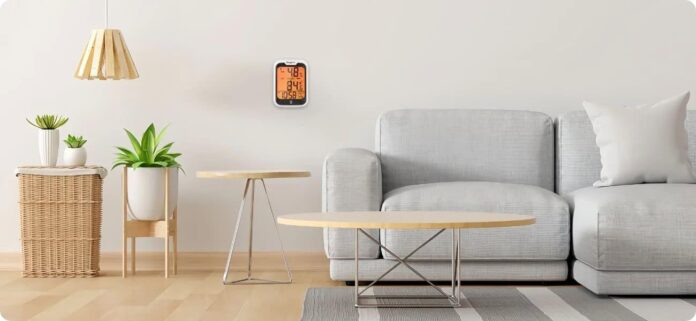

Summer is a season of growth and vibrancy, but for the indoor plant enthusiast, it also brings a unique set of challenges. When the outdoor temperatures soar, the conditions inside our homes can shift dramatically, turning your cozy green oasis into a challenging environment for your beloved potted plants. Whether your collection thrives on window sills, gathers in a dedicated “plant corner,” or is housed in a more controlled home greenhouse, hot weather demands extra vigilance and strategic adjustments to your care routine.
For dedicated plant parents, the thought of summer wilting or heat stress is daunting. Your plants aren’t just decorations; they are living beings that require consistent care. To navigate the scorchers and ensure your leafy friends stay robust, thriving, and stress-free, you need to understand how high temperatures impact indoor greenery and implement pro-active strategies.
What Is the Impact of High Temperatures on Indoor Plants
Before we dive into the solutions, it’s crucial to understand the “why.” How exactly does hot summer weather affect your indoor plants? High temperatures, especially when combined with intense sunlight, accelerate several physiological processes:
Increased Transpiration: Plants lose moisture through their leaves, a process called transpiration. Heat significantly increases the rate of transpiration, causing the plant to use water much faster. If the roots can’t replenish this loss quickly enough, wilting occurs.
Faster Soil Depletion: Rapid transpiration and faster evaporation from the soil surface mean your potting mix dries out much more quickly than in cooler months. This can lead to underwatering and root damage if not managed correctly.
Photosynthesis Imbalance: While plants need light for photosynthesis, excessive light and heat can be counterproductive. Above certain temperatures, a plant’s photosynthesis can slow down, while its respiration rate increases, leading to a net energy loss.
Heat Stress Symptoms: Look out for signs like wilting (even with moist soil), drooping leaves, dry, brown margins or tips on leaves, or flowers and leaves dropping unexpectedly.
Understanding these impacts is the first step toward effective heat-proof plant care. Now, let’s explore the practical, expert-approved methods to keep your plants healthy.
Essential Tips for Heat-Proofing Your Indoor Plants
Maintaining plant health in the summer isn’t about radically changing everything; it’s about being more intentional and adjusting to the environmental shifts.
Water Smartly, Not Just More Often
The most common reaction to heat is to dump more water on plants. While they need more water, simply watering more frequently isn’t always the best approach. Overwatering is still a major risk, as prolonged, waterlogged soil can lead to root rot—a condition often exacerbated by heat.
Check First: Always feel the soil before watering. Don’t water on a rigid schedule. For most plants, wait until the top inch or two of soil is dry. For heat-loving species or small pots that dry quickly, you may need to check more than once a day.
Water Deeply: When you do water, water thoroughly until it flows out of the drainage holes. This ensures the entire root ball is saturated, encouraging deep root growth.
Time it Right: Water in the cooler parts of the day—early morning or late evening. This reduces water loss to evaporation and allows the plant to absorb maximum moisture before the heat peaks. Morning is generally best as it allows foliage to dry, reducing fungal risks.
Manage Light and Optimize Placement
Sunlight is vital, but intense, direct summer sun through glass can scorch leaves and severely overheat your plants. The light that was perfect in spring can be dangerous in summer.
Filtered Light is Key: If you have plants in east or west-facing windows that receive intense afternoon sun, consider adding sheer curtains. These diffuse the direct rays, protecting foliage while providing bright, indirect light.
Move Them Back: For plants on very sunny window sills, especially south-facing ones, simply move them a few feet back into the room. This slight shift can dramatically reduce heat exposure and light intensity.
Know Your Plants: Be aware of each plant’s specific light needs. Some plants, like many succulents and cacti, can handle more direct sun, while others, like calatheas, caladiums, and ferns, prefer shady or low-light conditions and will quickly burn in bright sun.
Boost Humidity and Prevent Drought Stress
Hot, dry air, especially when air conditioning is running, can lead to extremely low humidity levels, which is detrimental to most tropical house plants.
Pebble Trays: Place pots on a tray filled with pebbles and water. As the water evaporates, it creates a humid microclimate directly around the plant. Just make sure the bottom of the pot is sitting on the pebbles, not in the water, to prevent rot.
Grouping Plants: Plants lose water through their leaves (transpiration). When you group plants together, they collectively release more moisture, raising the ambient humidity in their immediate vicinity. This “plant grouping effect” is simple and very effective.
Avoid AC Drafts: Do not place plants directly in the flow of cold air from AC units. This cold air is very dry and can dehydrate plants rapidly, causing leaf drop and stress. Aim for consistent, stable temperatures.
Enhance Your Plant Care with Strategic Monitoring: The TempPro TP358
Implementing all these tips is important, but true expert care requires accurate environmental data. For any plant lover with a substantial collection, simply guessing the temperature or humidity isn’t enough. This is especially true for delicate species or those housed in home greenhouses. This is where precise monitoring becomes a game-changer.
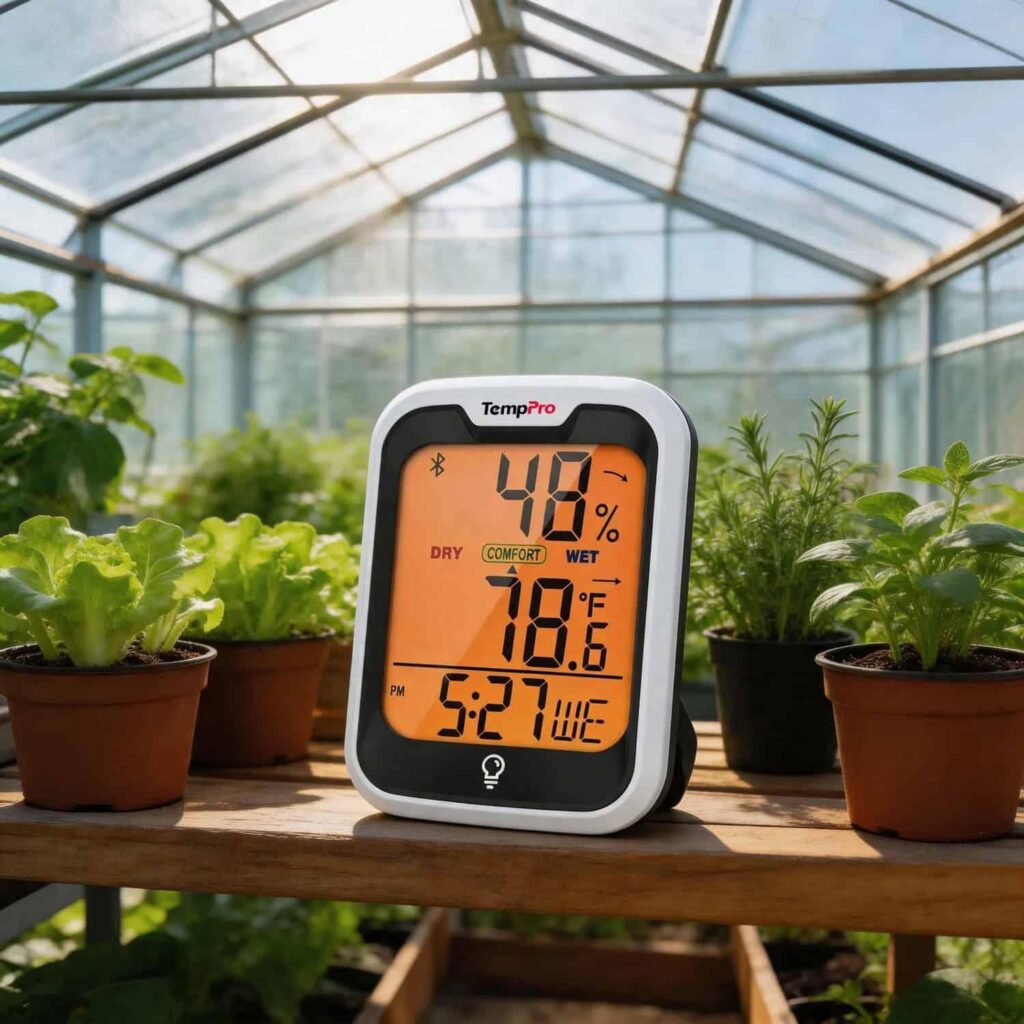
We highly recommend the TempPro TP358 Bluetooth Indoor Thermometer Hygrometer. This compact and incredibly useful device provides the real-time data you need to optimize your plant care and truly heat-proof your green space.
ThermoPro has officially rebranded as TempPro. While its name and brand identity have changed, its products, quality, warranty, and commitment to exceptional customer service remain the same.
Key Features of the TempPro TP358
Precision and Accuracy: The TP358 utilizes advanced, high-accuracy sensors, ensuring you get reliable readings for both temperature (±0.9°F/±0.5°C) and humidity (±2%RH). You can trust the data you are seeing.
Bluetooth Connectivity and App Control: The Bluetooth 5.0 allows the device to connect seamlessly to your smartphone via a dedicated app. This transforms simple monitoring into an intelligent system.
Remote Viewing and Data Logging: From the app, you can view the current temperature and humidity from anywhere within the Bluetooth range (up to 260ft). You can also view historic data graphs (24h/1-week/1-year), allowing you to spot trends and identify when your plants were exposed to stressful conditions.
Smart Alerts: This is a vital feature for plant parents. You can set custom temperature and humidity ranges within the app. If the conditions go beyond these parameters, you’ll receive an instant push notification on your phone.
Why the TempPro TP358 is Essential for Your Indoor Garden and Greenhouse
Know Temperature and Humidity: You can use the TP358 to monitor temperature and humidity in real time, so that you can adjust the indoor humidity and temperature for plants.
Monitor AC Efficiency: Ensure that your air conditioning isn’t creating pockets of extremely low humidity or cold drafts. By tracking the data, you can adjust AC placement or plant locations.
Peace of Mind: The real-time alerts ensure you can take immediate action, like closing curtains or misting if conditions become unfavorable.
Greenhouse Management: The TempPro TP358 allows you to ensure the stable, warm-humid conditions required for sensitive or tropical species, giving you the tools to manage your indoor climate effectively.
Incorporating the TempPro TP358 into your plant care routine is a professional-grade step that takes the guesswork out of maintaining plant health in challenging conditions.
Other Helpful Tips for Summer Success
- Fertilize Wisely: During the peak growth season, plants need food. However, heat-stressed plants should not be fertilized. Only fertilize healthy, actively growing plants. If a plant looks stressed, hold off until it recovers.
- Watch for Pests: Many common houseplant pests, like spider mites, thrive in hot, dry conditions. Be extra vigilant with inspections and catch any infestations early.
- Pot Material Matters: Be mindful of the material of your pots. Plastic pots hold moisture longer, while terracotta (clay) is porous and allows soil to dry out very quickly. Adjust your watering frequency based on the pot type.
FAQs about Summer Indoor Plant Care
Q1: Should I mist my plants daily in the summer?
Misting can provide a very temporary boost to humidity, but it’s often not effective for sustained periods. In hot, dry air, the mist evaporates in minutes. While not harmful, methods like pebble trays and grouping are far more effective for creating a consistently humid environment.
Q2: How can I tell if my plant is overheated?
Look for wilting that doesn’t improve after watering, leaves that are dry, crispy, or have browned tips/edges, and flowers or leaves dropping prematurely. Leaf scorch, appearing as dry, bleached, or brown patches on leaf surfaces, is a clear sign of sun damage.
Q3: Can I put my indoor plants outside for the summer?
This can work, but it’s not for all plants. You must research your specific plant’s outdoor requirements (light, temperature) and ensure it’s done very gradually. Start with a shady spot and avoid direct sun. Monitor them closely, as they will dry out much faster outdoors. For many, a consistent indoor environment is safer.
Q4: Is it true that I should stop watering completely if a plant wilts in heat?
No. While excessive watering is dangerous, a wilting plant needs water. The key is to check the soil first. If the soil is dry and the plant is wilting, water it thoroughly. If the soil is moist and the plant is still wilting, it may be experiencing extreme heat stress, so move it to a cooler, more shaded spot immediately.
Conclusion
Mastering indoor plant care during the summer doesn’t have to be a source of stress. By understanding how heat affects your plants and implementing proactive strategies, like managing light, watering intelligently, and boosting humidity, you can ensure your indoor garden continues to flourish.
Remember, the key is attention to detail. Listen to your plants; they will often show you signs of distress. Enhance your efforts by strategically monitoring with a high-quality tool like the TempPro TP358 Bluetooth Indoor Thermometer Hygrometer. With precise environmental data at your fingertips, you can eliminate the guesswork and create the perfect, thriving oasis for your beloved plants, even on the hottest summer days. Get your TempPro TP358 today and give your green companions the professional care they deserve!