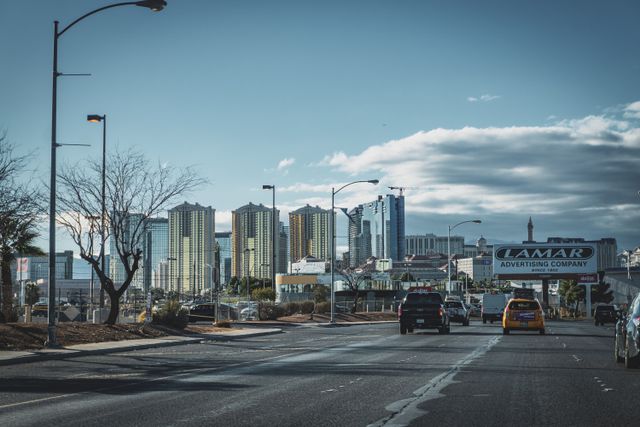

Day 1: Uncovering the Roots of Las Vegas History
Las Vegas often surprises travelers with its hidden layers of history that exist outside the neon glow of the main resort corridor. By looking past the modern casinos, visitors can touch the soil of the Old West and see how this desert outpost transformed into an international destination. Spend your first day grounding yourself in the foundations of this unique city before diving deeper into the surrounding neighborhoods.
Touring the Neon Museum’s Historic Collection
The Neon Museum serves as a visual record of the evolution of display design and commercial appeal. Walking through the boneyard, you notice how signs have shifted from simple industrial materials to complex, artistic masterpieces that reflect shifting American cultural trends. It feels like stepping into a time capsule where each piece tells a story about the city’s past, effectively preserving the legacy of creators and businesses from decades ago.
Walking the Historic Corridors of Fremont Street
Fremont Street acts as the literal cradle of Las Vegas, preserving the spirit of original downtown gambling and hospitality. While the overhead light display draws the casual crowds, the older buildings and narrow walkways offer a quieter peek at the businesses that thrived here long before the mega-resorts dominated the horizon. It remains the best way to understand how the city solidified its fame in the middle of the desert.
Exploring the Old Las Vegas Mormon Fort State Historic Park
This state park represents the oldest building in Las Vegas, serving as a reminder of early pioneers and indigenous interactions long before the city was incorporated. Exploring the fort grounds allows for a moment of quiet reflection away from the city’s frantic energy. Visitors can trace the history of the springs that sustained human life here, which is why the area was chosen to become the hub of the region.
Day 2: Exploring the Creative Hub: Things to Do in Las Vegas Arts District
The Arts District offers a distinct alternative to the typical tourist experience by focusing on local artistry and residential-style life. While touring this local gem, you will find a dense collection of creative energy that invites you to participate rather than just observe. These things to do in Las Vegas Arts District demonstrate how authentic, independent businesses build community through shared passion.
Browsing Murals and Street Art in 18B
Street art here covers every surface, turning back alleys and side streets into an expansive, open-air gallery. You can spend hours identifying the signatures of local muralists who have turned industrial brick walls into vibrant expressions of identity. The murals are constantly evolving, meaning every visit provides a fresh encounter with the visual pulse of the city.
Shopping at Independent Antique and Vintage Boutiques
Collectors frequent this neighborhood specifically for its rare and eclectic items that resist mass-market sensibilities. Each boutique offers a curated look at mid-century decor, clothing, and unique curiosities that you would never find on the main Strip. It is a slow, tactile retail experience that encourages discovery and connection with small shop owners.
Visiting Local Galleries During First Friday
This monthly event brings thousands of people together to celebrate local artists, musicians, and performers in a festival-like atmosphere. The energy in the streets on these nights is infectious, marking a high point for local culture that draws in creators from all over the valley. It is an excellent way to explore the talent that keeps Las Vegas relevant beyond the casinos.
Experiencing the Local Independent Theater Scene
Downtown Las Vegas has fostered a resilient group of performers and small-scale venues that contribute to the unique character of the area. Attending a show here reveals a side of the creative community that thrives on limited budgets and big ideas. Consider visiting these local staples to get a sense of the neighborhood’s artistic commitment:
- The Arts Factory for rotating studio exhibits
- Iconic independent theater spaces showcasing experimental plays
- Local craft showrooms that blend display with performance
- Community workshops led by resident artisans and directors
Supporting these local venues directly preserves the cultural infrastructure of the district as it continues to grow.
Day 3: Delving Into Local Museums and Quirky Culture
To really appreciate the depth of the city, a deeper look at the best museums in Las Vegas is essential for any curious traveler. These institutions avoid common tourist traps by focusing on specific, often intense, narratives that define the regional identity. The experience is often immersive, whether you are stepping into a historical reenactment or engaging your senses in a high-tech installation.
Discovering the Mob Museum’s Interactive Exhibits
Located in a former federal courthouse, this museum provides a stark and compelling look at the struggle between organized crime and the law. The level of detail in the courtroom and the basement evidence rooms feels truly cinematic. It provides a sobering look at the true history of Vegas that is often glossed over in standard tourist guides.
Analyzing the Cultural Impact of the Burlesque Hall of Fame
This museum celebrates the history of a misunderstood form of performance art that played a major role in the development of American cabaret. Through personal artifacts and archival footage, it highlights the autonomy and empowerment of the performers who pioneered this craft. The cultural significance of these pioneers resonates throughout the exhibit spaces.
Experiencing the Pinball Hall of Fame’s Operational History
This collection houses a vast array of vintage machines that span several decades and technologies. The machines are intentionally maintained for public play, which ensures that the kinetic history of pinball remains accessible to new generations. As you engage with the history of the Evel Knievel Experience, you learn that the Evel Knievel Experience delivers a high-octane look at stunts that define a hero’s life. The Evel Knievel Experience is truly unique.
Navigating Transportation and Logistics for a Cultural Trip
Getting around a spread-out city like Las Vegas requires careful planning to ensure you prioritize your time correctly. Relying on basic taxi services can get expensive, so many travelers find that local transit options and targeted rental strategies provide more flexibility. Staying centrally located helps bridge the gap between historic downtown and the newer parts of the city.
Using the Downtown Loop for Free Transit
The Downtown Loop is a valuable resource for navigating between key cultural spots like the Mob Museum and the Arts District without spending on rideshares. Operating on a consistent loop, it makes reaching the diverse corners of the area easy for anyone looking to save a bit of budget. It effectively lowers the barrier of travel between major independent sites.
Deciding Between Rideshares Versus Rental Cars
While renting a car offers the most personal freedom, rideshares provide a stress-free way to traverse busy downtown streets where parking can be limited or costly. You must weigh the hourly cost of parking against the convenience of a door-to-door service. Ultimately, those staying within the Arts District and Fremont Street rarely require their own vehicle for the duration of their trip.
Staying in Central Hotels to Minimize Travel Time
Booking a stay in a downtown boutique hotel keeps you steps away from many galleries and museums, which drastically reduces transit time. This strategy also allows you to enjoy the neighborhood atmosphere in the early morning and late evening, when the day-trippers have left. By staying in the core, you gain a sense of belonging in the local ecosystem.
Where to Eat and Drink to Support Local Businesses
The culinary landscape of the city has matured into a farm-to-table destination that highlights fresh ingredients and artisan spirit. Choosing to dine at local establishments helps sustain the independent businesses that give the city its soul. From morning caffeine to evening brews, the options are varied and consistently local-focused.
Finding Farm-to-Table Spots in the Arts District
The dining rooms here often prioritize locally sourced ingredients that shine during seasonal shifts. These restaurants offer a sophisticated palate without the pretension or high prices found on the main tourist Strip nearby. It feels refreshing to enjoy a perfectly prepared plate that was designed by a chef who calls the neighborhood home.
Sampling Craft Breweries and Local Distilleries
“Brewery Row” has become a major draw for visitors who appreciate the science and craft behind a good beer. You can walk or take a very short trip between multiple tasting rooms, each with their own focus on hops, stouts, or experimental ales. It is a great way to learn about the local water usage and the specific styles that desert brewers have perfected over the years.
Coffee Culture and Independent Bakeries Downtown
Starting your day with a local brew in a converted commercial space is a quintessential downtown experience. These bakeries provide the fuel necessary to keep you moving through long days of gallery hopping and museum visits. Supporting these shops ensures that the neighborhood continues to provide quality, handcrafted goods for locals and travelers alike.
Tips for Maximizing Your Cultural Itinerary
Balancing your schedule is vital when the city offers so much variety in a dense area. By staying organized, you avoid the common mistake of trying to see everything at once, which can lead to fatigue. Consider how the environment influences your speed, especially if your trip falls during warmer months.
Checking Museum Hours and Seasonal Closures
Most museums operate on specific schedules that may vary from weekend to weekday, potentially causing disruptions if you do not plan ahead. Check their websites regularly, as independent institutions may close for private events or seasonal updates to their exhibits. A little research prevents you from arriving at a locked door.
Managing Your Time Around Extreme Desert Temperatures
The heat in the desert can dictate your daily rhythm, especially during the afternoon when the sun is at its highest point. Shift your outdoor walking tours or mural browsing to the early morning or evening to preserve your energy. Mid-day is the perfect time to retreat into air-conditioned museum halls or enjoy a lengthy lunch in a shaded cafe.
Prioritizing Must-See Exhibits Versus Leisure Time
Do not try to pack every hour with an item from your list; leave gaps for accidental discoveries or relaxed conversations. The best moments often come when you stop to watch a street artist at work or end up chatting with a gallery owner. Prioritize two main destinations per day, and let the rest of your itinerary remain fluid.
Frequently Asked Questions
How Early Should I Start My Arts District Walking Tour?
Ideally, you should begin your walking exploration before the afternoon heat peaks so you can visit murals and outdoor art pieces in comfort.
Is the Arts District Safe for Solo Travelers?
Yes, the area is generally well-trafficked and friendly, though it is always wise to remain aware of your surroundings as you would in any city center.
Are There Guided Tours Available for the Area?
Several local walking tour groups offer insights into the history of the neighborhood and its mural collection if you prefer a structured experience.
Can I Use the Bus System to Get Here From the Airport?
Yes, you can transit via city bus routes, though these trips can take significantly longer than personal rides depending on the time of day.
Do Art Galleries Usually Charge an Admission Fee?
Most local galleries are free to the public, though special exhibitions or fundraising events may occasionally require a small donation or ticket purchase.
What Should I Pack for a Cultural Weekend in Vegas?
Pack comfortable walking shoes, plenty of sunscreen, light layers for temperature fluctuations, and a portable battery to keep your devices charged while navigating.
Is It Better to Visit on a Weekend or a Weekday?
Weekends, specifically the first Friday of the month, offer the most vibrant atmosphere, while weekdays offer a quieter, more personal experience with business owners.
Plan Your Adventure Now
Ready to see a side of the desert city you never knew existed? Start planning your trip today by exploring the incredible, interactive historical exhibits that celebrate the boldest legends in our collective history.