
Key Takeaways
- Frozen pipes are most likely to develop in drafty, unheated, or poorly insulated areas of a home.
- Preparing outdoor connections and exposed plumbing before the deep cold arrives can reduce the chance of winter damage.
- Steady indoor heat, open sink cabinets, and prompt attention to low water flow can help protect vulnerable pipes.
- Every homeowner should know the location and operation of the main water shutoff valve.
- A burst pipe, a hidden leak, a damaged meter, or an inaccessible, frozen line calls for professional assistance.
Twin Cities winters can place a home’s plumbing under real pressure, particularly when a cold snap lingers for days and wind finds its way into basements, garages, crawl spaces, and exterior walls. Homeowners planning seasonal maintenance or responding to a plumbing concern can turn to www.twincitiespremierplumbing.com for local plumbing support in the Minneapolis-Saint Paul area.
The best approach is prevention before the first hard freeze, followed by quick, safe action if water flow changes or a pipe begins to freeze. A few routine checks can help Minnesota households avoid the disruption and water damage that may appear when temperatures finally rise.
Why Minnesota Plumbing Faces Winter Risks
Water expands when it freezes. Inside a pipe, that expansion can create enough pressure to crack pipe walls, joints, valves, or fittings. The damage may remain hidden while the line is frozen, then reveal itself as a leak after the ice thaws.
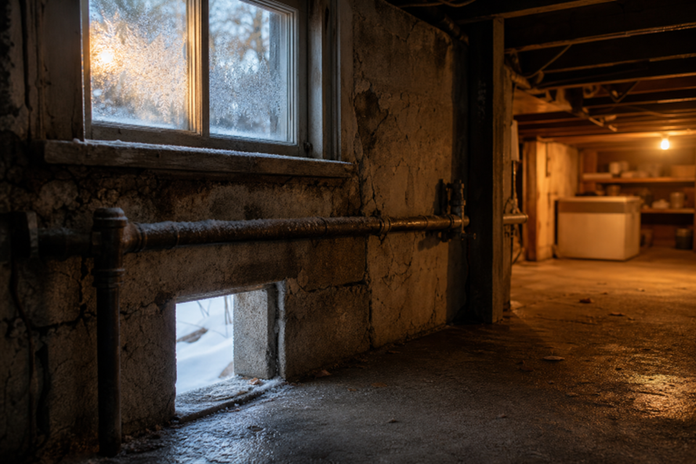
Long cold stretches are especially challenging because they give cold air more time to reach plumbing. A kitchen supply line inside an exterior wall or a basement pipe near an unsealed foundation opening may be fine during a brief freeze, then become vulnerable after repeated cold nights.
Where Pipes Are Most Likely To Freeze
Inspect the parts of your home where heated indoor air is limited or cold outdoor air can enter. Common trouble spots include:
- Exterior walls behind kitchen, bathroom, or laundry fixtures
- Unheated garages and attached garage walls
- Crawl spaces, unfinished basements, and basement ceilings
- Attics or enclosed areas near roof lines
- Spaces around drafty windows, doors, sill plates, and utility penetrations
- Outdoor faucet supply lines and water meter locations
A pipe does not need to be outside to freeze. Even a small gap around a cable, pipe, or foundation opening can create a concentrated cold pocket near a water line.
Fall Tasks That Help Prevent Frozen Pipes
Before winter settles over the Twin Cities, complete a simple preparation routine:
- Disconnect garden hoses from outdoor faucets.
- Close interior shutoff valves that supply outdoor water lines, if your home has them.
- Open the exterior faucet briefly after the shut-off to drain remaining water.
- Install suitable insulation on accessible exposed water pipes.
- Seal obvious drafts near plumbing lines, basement windows, and foundation openings.
- Make sure vulnerable crawl spaces and basements have adequate protection against cold air.
- Locate and test the main water shutoff valve before an emergency occurs.
Leaving a hose attached is a common avoidable risk. Water can remain trapped in the faucet or supply line, where freezing conditions may damage components inside the wall.
What To Do During an Extreme Cold Snap
Keep the thermostat at a consistent temperature, including when the home is empty. During periods of sustained subzero weather, the City of Blaine recommends keeping basements warm, reducing drafts, opening cabinet doors, and protecting exposed pipes.
- Open cabinet doors beneath sinks located on exterior walls.
- Keep garage doors closed whenever possible.
- Leave interior doors open to improve warm-air circulation.
- Check cold-prone areas periodically during prolonged severe weather.
- Use a small faucet trickle only when a particular line is known to be vulnerable.
A faucet drip may help keep water moving in some situations, but it is not a substitute for adequate heat, insulation, and draft control.
How To Protect Outdoor Faucets and Water Meters
Outdoor faucets need both an interior shutoff and a drain when the plumbing layout allows. An insulated faucet cover can provide another layer of protection, but it cannot correct a leaking shutoff valve or water trapped in a line.
Water meters also deserve attention. A meter near a cold basement wall, crawl space, or drafty opening can freeze even when the living areas feel comfortable. Keep the meter area accessible, dry, and protected from cold air.
Signs a Pipe May Be Frozen
Do not ignore these warning signs:
- Little or no water coming from one fixture
- A sudden pressure change at a faucet
- Frost or ice on an accessible pipe
- Unusual noises when water is turned on
- A visible bulge, crack, or split in a pipe
- New stains or moisture near cabinets, ceilings, or walls
If water has stopped flowing, do not simply wait for warmer weather. A damaged pipe may begin leaking as soon as thawing starts.
Safe Steps for a Frozen Pipe
- Open the affected faucet slightly.
- Identify the main water shutoff valve in case of a leak.
- Warm the affected area gradually with safe household heat.
- Never use an open flame, torch, or outdoor heater indoors.
- Watch carefully for dripping water or a visible leak as the pipe warms.
- Call a professional if the frozen section is hidden, inaccessible, or damaged.
Keep electrical tools away from standing water, wet surfaces, and overloaded outlets. If there is any sign of a split line or active leak, shut off the water rather than continuing to thaw the pipe.
What To Do if a Pipe Bursts
First, close the main water shutoff valve. Then open nearby faucets to help relieve pressure, and move furniture, electronics, and valuables away from the affected area if it is safe to do so. Take photos of visible damage and contact your insurer promptly. The Minnesota Department of Commerce advises documenting damage and keeping receipts for emergency repairs during the claims process.
When To Call a Plumbing Professional
Professional help is the safer choice when a pipe has burst, water is leaking behind a wall or ceiling, several fixtures lose water, the frozen section cannot be located, a meter appears damaged, or the main shutoff will not close. Repeated freezing in the same location may also indicate an insulation, air-sealing, or plumbing layout issue that requires a lasting solution.
A Simple Winter Plumbing Checklist
- ☐ Disconnect and drain outdoor hoses.
- ☐ Shut off outdoor water lines when possible.
- ☐ Insulate accessible exposed pipes.
- ☐ Seal drafts around plumbing and foundation openings.
- ☐ Keep the home heated during travel.
- ☐ Open sink cabinets during severe cold.
- ☐ Test and label the main water shutoff valve.
- ☐ Save emergency plumbing contact information.
- ☐ Inspect basements, garages, and crawl spaces during deep freezes.
Conclusion
Winter plumbing protection does not always require a major renovation. For Minnesota homeowners, basic insulation, steady heat, draft control, and a clear emergency plan can make a meaningful difference. Preparing before the deep cold arrives helps protect pipes, water meters, and the home from costly winter surprises.