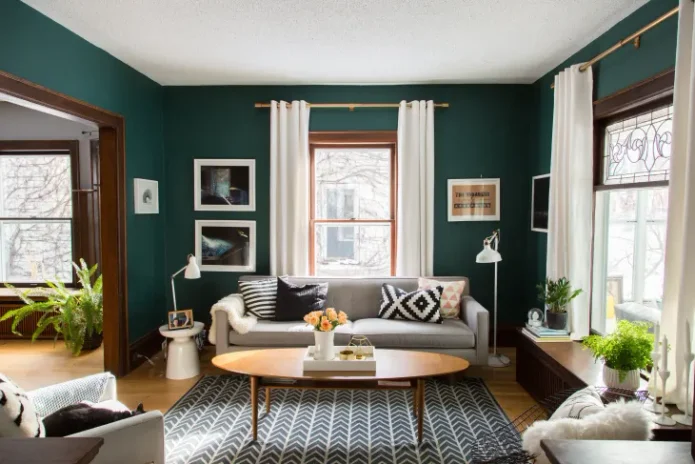

Creating a comfortable and attractive home involves more than choosing furniture and decorating the walls. Every room needs to work for your lifestyle, whether you are furnishing a new property, updating an existing space or planning a larger renovation.
From selecting practical furniture to choosing the right bathroom fittings, thoughtful decisions can make a noticeable difference to the way your home looks and feels. With a little planning, it is possible to create interiors that balance appearance, comfort and everyday functionality.
Finding Flexible Furniture Solutions
Furnishing a property can be a significant expense, particularly if you need several pieces at once. This can be especially challenging when moving into a new home, preparing a property for tenants or setting up temporary accommodation.
Furniture rental offers an alternative to purchasing everything outright. Rather than making a large initial investment, you can rent selected items for an agreed period and choose arrangements that suit your circumstances.
For anyone considering furniture rental London, there are plenty of reasons why this option may be worth exploring. It can provide flexibility for people who are relocating, working on short-term contracts or living in rented accommodation. Businesses may also benefit when furnishing serviced apartments, offices or temporary workspaces.
Another advantage is being able to choose furniture that suits the style and size of a particular property. Sofas, beds, dining tables, wardrobes and accessories can all help create a more complete living environment without the commitment of buying every item.
Before arranging a rental, consider the length of the agreement, delivery arrangements and what happens if your requirements change. Checking the condition of the furniture and understanding any maintenance or collection costs can also help you make an informed decision.
Choosing Furniture That Suits Your Space
Whether you are renting or buying furniture, it is important to consider how each item will fit into the room. Large pieces can make smaller spaces feel crowded, while furniture that is too small may leave a room looking unfinished.
Start by measuring the available space, including doorways and access routes. This can help avoid difficulties when furniture is delivered and make it easier to plan the layout.
Think about how each room will be used, too. A living room may need comfortable seating and practical storage, while a home office requires a suitable desk, chair and lighting. In a bedroom, storage and a comfortable bed are likely to be priorities.
Choosing a consistent colour palette can help different pieces work together. Neutral shades provide a versatile starting point, while cushions, artwork and accessories can introduce colour and personality.
Planning a Bathroom Renovation
Bathrooms are among the most frequently used rooms in any home, so it is important that they are both practical and comfortable. Even relatively small improvements can make a difference, particularly when replacing outdated fittings or making better use of limited space.
Before starting a renovation, consider what currently works and what needs improving. You may want more storage, a larger shower, improved lighting or a layout that makes the room easier to use.
It is also worth establishing a realistic budget before choosing products. Bathroom renovations can involve several different costs, including fittings, plumbing, tiling, installation and finishing touches. Having a clear idea of your priorities can help you allocate your budget effectively.
Exploring Bathroom Styles and Products
Visiting a showroom can be a useful way to compare different bathroom products and get inspiration for your project. Online images can provide ideas, but seeing materials, finishes and fittings in person gives you a better understanding of their appearance and quality.
If you are searching for a bathroom showroom london, look for somewhere that offers a variety of styles and products. Being able to compare taps, showers, baths, basins, toilets, tiles and storage solutions can help you make decisions that suit both your preferences and available space.
Showrooms can also help you explore different design approaches. A contemporary bathroom might feature clean lines, minimal fittings and large-format tiles, while a more traditional design could incorporate classic brassware, decorative details and softer colours.
Take measurements and photographs of your existing bathroom when visiting. This can make discussions about suitable products more useful and help you avoid choosing items that are unsuitable for the space.
Getting the Details Right
The smaller details can have a significant impact on the finished appearance of a bathroom. Lighting, mirrors, handles and accessories all contribute to the overall design, while practical features such as ventilation and storage help make the room easier to maintain.
Consider how different materials will perform in a humid environment. Surfaces should be suitable for bathroom use, easy to clean and durable enough to withstand regular moisture.
Storage is another important consideration. Vanity units, recessed shelving and mirrored cabinets can provide useful space without taking up too much room.
Creating a Home That Works for You
A well-planned home should reflect your lifestyle and make everyday routines easier. Flexible furniture options can help furnish a property without unnecessary long-term commitments, while carefully selected bathroom products can improve both comfort and practicality.
By considering your budget, available space and personal requirements before making decisions, you can create interiors that look good and work well for years to come.