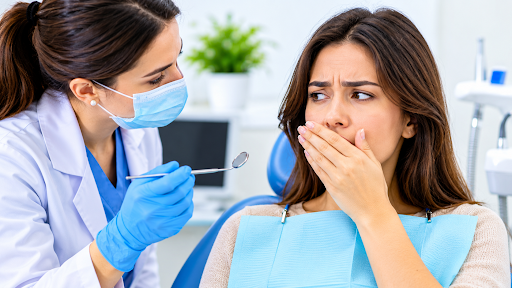

You’ve brushed your teeth, used mouthwash and even chewed a mint, but an hour later, you’re worried your breath smells bad again. It’s frustrating, particularly when you’re careful about your oral hygiene and can’t work out what’s causing the problem.
Occasional bad breath is normal, especially after eating certain foods or waking up in the morning. However, when it keeps returning despite regular brushing, there may be an underlying issue that needs attention. Bacteria, gum problems and dry mouth are among the most common causes.
The key to managing persistent bad breath is identifying the source rather than repeatedly masking the smell. A dental examination, whether with your usual practitioner or a Campsie dentist, can help determine whether the problem originates in your mouth and recommend appropriate treatment.
Your Tongue Might Be the Problem
Most people concentrate on brushing their teeth but forget that bacteria also accumulate on the tongue.
The back of your tongue has tiny grooves and an uneven surface where food particles, bacteria and dead cells can collect.
These bacteria can release unpleasant-smelling compounds, contributing to persistent bad breath.
Gently cleaning your tongue once a day may help reduce this buildup.
You can use a soft toothbrush or a dedicated tongue scraper, working carefully from the back towards the front.
Avoid scraping aggressively, as this can irritate the delicate surface of your tongue.
Flossing Matters More Than You Think
Even thorough brushing can’t effectively clean every space between your teeth.
When food particles and plaque remain trapped in these areas, bacteria can multiply and produce unpleasant odours.
Over time, plaque buildup may also contribute to gum inflammation.
Cleaning between your teeth daily helps remove debris that your toothbrush cannot reach.
Depending on the size of the spaces between your teeth, dental floss or interdental brushes may be suitable.
If your gums regularly bleed or feel swollen, arrange a dental examination rather than assuming the problem will disappear.
Dry Mouth Can Make Your Breath Worse
Saliva plays an important role in keeping your mouth clean.
It helps wash away food particles and limits the buildup of substances that contribute to unpleasant smells.
When your mouth becomes dry, bacteria and debris can accumulate more easily.
Dry mouth may result from dehydration, certain medications, mouth breathing or underlying health conditions.
To help manage it:
- Drink water regularly throughout the day.
- Consider chewing sugar-free gum to stimulate saliva.
- Limit excessive alcohol consumption.
- Avoid tobacco products.
- Ask a healthcare professional about persistent dryness.
Don’t stop taking prescribed medication without medical advice, even if you suspect it’s contributing to the problem.
Mouthwash Isn’t Always the Answer
Mouthwash can temporarily improve breath, but it doesn’t necessarily address the underlying cause.
Strong mint flavours may cover unpleasant smells for a short period while bacteria, plaque or gum problems remain untreated.
Certain therapeutic mouthwashes can help manage specific oral health conditions, but they should be chosen according to individual needs.
Alcohol-containing products may also feel uncomfortable for people experiencing dry mouth.
Instead of relying entirely on rinses, prioritise effective brushing, cleaning between your teeth and addressing any dental problems.
Gum Disease Can Cause Persistent Odours
Sometimes, bad breath is associated with inflammation or infection around the gums.
When plaque accumulates along the gumline, bacteria can contribute to gingivitis and, in more advanced cases, periodontal disease.
Warning signs may include bleeding gums, swelling, tenderness or gums that appear to be pulling away from the teeth.
Gum disease doesn’t always cause pain, so problems can develop without obvious discomfort.
Professional assessment and appropriate treatment can help manage the condition and address associated breath concerns.
Sometimes the Cause Isn’t Dental
Although many cases of persistent bad breath originate in the mouth, other health conditions can occasionally contribute.
Tonsil stones, certain sinus problems and acid reflux may be associated with unpleasant breath.
Dietary habits, including prolonged fasting or very low-carbohydrate diets, can also change breath odour.
If your dentist finds no obvious oral cause, a medical assessment may help identify other contributing factors.
Avoid assuming that every case of bad breath indicates a digestive problem, as oral causes are generally more common.
Fresh Breath Starts With Finding the Cause
Constantly reaching for mints or mouthwash can become frustrating when the problem keeps returning.
Rather than covering up unpleasant smells, focus on the habits and conditions that may be contributing to them.
Clean your tongue, brush and floss consistently, stay hydrated and pay attention to changes in your gums.
If bad breath persists despite these measures, a professional examination can help identify the cause and guide appropriate treatment.
Addressing the underlying problem is far more effective than relying on temporary fixes, and it can help you feel more comfortable and confident in everyday conversations.