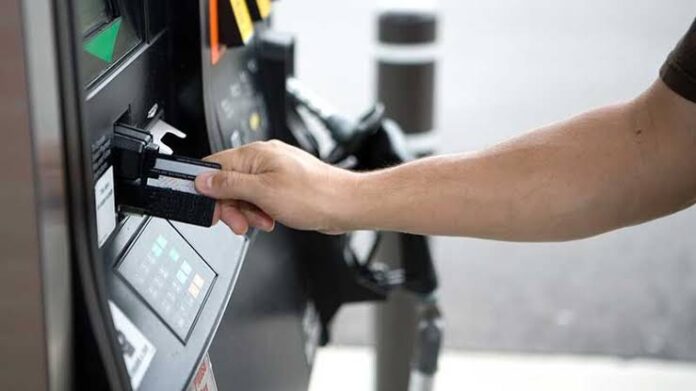

A fuel card program can improve purchasing control, reporting, and expense visibility, but those benefits depend on implementation. Issuing cards before mapping routes, defining policies, or training drivers can create declined purchases, inaccurate data, and frustration at the pump.
A successful rollout treats the fuel card as an operating system rather than a replacement payment method. The business must decide who receives access, which vehicles and locations are eligible, what information drivers enter, how exceptions are handled, and which reports managers review. A structured launch makes the transition easier for drivers while giving managers reliable control from the beginning.
Audit the Current Fuel Purchasing Process
Implementation should begin with a clear picture of how fuel is purchased today. Managers can document the number of drivers and vehicles, monthly gallons, common stations, routes, fuel types, payment methods, receipts, reimbursement procedures, and accounting steps.
The audit should also identify recurring problems. These may include missing receipts, unidentified charges, premium-grade purchases, out-of-route transactions, inconsistent mileage records, or delays in expense reconciliation.
This baseline establishes what the new program needs to solve. It also creates measurements for evaluating whether the rollout improves cost, compliance, and administrative efficiency after launch.
The project should have a named owner, launch schedule, and participating departments. Fleet operations, accounting, human resources, and local supervisors may each control information or decisions required for a clean transition. Clear ownership prevents card setup, driver records, training, and billing configuration from becoming disconnected tasks.
Map Routes Against the Available Fuel Network
Card acceptance must fit real operations. A network that appears large in total may still have weak coverage near company locations, delivery territories, rural routes, or the highways drivers use most often.
Fleet managers should map frequently visited fuel stations and compare them with the proposed network. For trucks, the review may include diesel access, vehicle clearance, parking, operating hours, and suitable entry points. Local fleets should consider stations near dispatch areas and customer routes.
Convenience affects both adoption and cost. If drivers must make long detours to reach approved locations, the business may lose time and fuel while creating pressure to bypass the program.
Write the Fuel Policy Before Issuing Cards
Drivers need to know which purchases are allowed before the first transaction. A written policy should define approved fuel grades, products, stations, hours, spending limits, receipt rules, odometer requirements, and consequences for misuse.
The policy should also explain legitimate exceptions. Vehicles may require emergency fuel outside normal hours, a driver may be rerouted, or an approved station may be unavailable. A practical policy distinguishes those situations from unauthorized spending and tells employees how to request help.
Clear rules reduce uncertainty for drivers and give managers a consistent standard for reviewing transactions. The policy should be concise enough to use during daily operations rather than existing only as a formal document.
Design the Driver and Vehicle Account Structure
Accurate reporting depends on connecting each purchase with the correct driver and vehicle. Before cards are distributed, the business should create current driver records, vehicle identifiers, department assignments, and cost centers.
Individual driver IDs or PINs provide better accountability than shared credentials. Vehicle numbers and odometer prompts add the mileage context needed for fuel economy and cost-per-mile calculations.
Managers should decide whether cards follow a person, a vehicle, or a specific operating model. The correct structure depends on whether drivers keep assigned vehicles, share pool vehicles, or change equipment frequently. The account design should reflect how work actually occurs.
Configure Controls in Practical Layers
Fuel card controls should begin with the company policy and become more specific where operational risk is higher. Product restrictions can block unauthorized merchandise or fuel grades. Dollar limits can cap transaction, daily, or weekly spending. Time and location rules can align purchases with schedules and routes.
Different vehicles may need different settings. A long-distance diesel truck requires more capacity and broader access than a gasoline service car operating locally. Applying one restrictive profile to every card can cause avoidable declines.
Start with reasonable limits based on historical usage, then refine them using actual transaction data. Controls should prevent improper spending without stopping drivers from completing legitimate assignments.
Build an Exception and Support Process
Drivers need a reliable way to respond when a valid transaction is declined, a card is lost, a PIN fails, or an approved station is unavailable. Without a defined support process, employees may use personal cards, cash, or unapproved payment methods that weaken expense tracking.
The rollout plan should identify who can change a limit, approve an emergency purchase, suspend a missing card, or correct a driver assignment. Coverage should match operating hours, including nights or weekends when vehicles are active.
Each exception should be documented. Repeated problems may reveal incorrect settings, weak station coverage, unclear training, or a process that needs revision.
Train Drivers on the Complete Pump Workflow
Training should show drivers exactly what happens during a purchase. They need to know which card to use, how to enter a driver ID or PIN, where to find the correct odometer reading, which fuel grade is authorized, and what to do if the transaction is declined.
Short demonstrations and written instructions can prevent common data errors. Drivers should understand that inaccurate mileage, shared credentials, or skipped receipts can reduce the quality of reports even when the purchase itself is legitimate.
Training should also cover card security, lost-card reporting, prohibited purchases, and the reason behind each control. Employees are more likely to follow the process when they understand how accurate data supports vehicle maintenance, budgeting, and fleet management.
Start With a Controlled Trial Group
A limited initial launch allows the business to test the program before issuing cards across the entire fleet. The trial group should include representative drivers, vehicle types, routes, shifts, and fuel locations.
Managers can observe whether cards are accepted at expected stations, prompts are clear, spending limits are realistic, transaction data is complete, and support is available when problems occur. Feedback from drivers can reveal practical issues that account settings alone do not show.
The trial should have a defined start date, review period, and success criteria. Problems should be corrected before the next group is enrolled.
Monitor the First Month Closely
The first weeks provide the best opportunity to correct implementation errors. Managers should review declined transactions, invalid odometer entries, out-of-network purchases, repeated exceptions, missing assignments, unexpected fees, and support requests.
Reports should be compared with the pre-launch baseline. Useful measures include total fuel spend, gallons, average price, cost per mile, receipt-processing time, unauthorized purchases, and accounting effort.
Early review is not only about enforcement. It helps the business distinguish driver mistakes from confusing prompts, restrictive settings, poor network coverage, or outdated vehicle information.
Expand the Program Using Evidence
Once the controlled group operates reliably, the business can enroll additional drivers and vehicles in stages. Each expansion should use the corrected policy, account structure, controls, training materials, and support process.
Ongoing management remains necessary after every card is issued. Routes change, employees leave, vehicles are replaced, fuel prices move, and spending needs evolve. Regular account reviews can remove inactive access, update limits, and improve reporting categories.
A fuel card rollout succeeds when the payment process fits daily fleet operations. Careful preparation reduces disruptions, while accurate driver and vehicle data creates the visibility managers expect. By auditing first, testing settings, training employees, and scaling from proven results, a business can turn fuel cards into durable management tools instead of introducing another administrative burden.