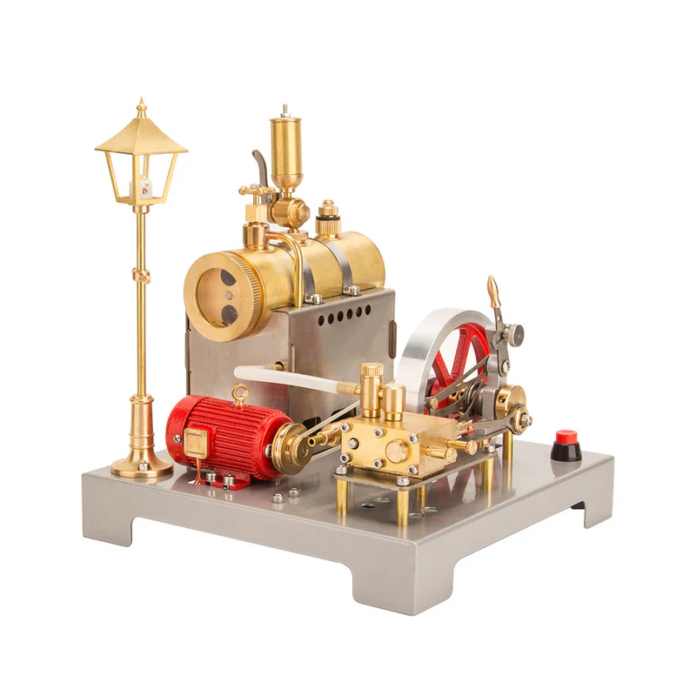

Mechanical engineering is not only about designing large machines or working with advanced technology. It is also about understanding how different components work together to create movement, power, and functional systems. For many hobbyists, hands-on projects offer the best way to explore these concepts. A Steam engine kit provides an engaging introduction to mechanical principles by allowing builders to assemble detailed models and see how energy is converted into motion.
These miniature engineering projects turn complex concepts into practical experiences. Instead of simply reading about engines, hobbyists can build, test, and understand the machines they create. From steam-powered models to detailed combustion engine replicas, these kits offer a unique way to discover the creativity and precision behind mechanical engineering.
The Value of Learning Through Hands-On Building
Mechanical engineering involves many concepts that can seem complicated when explained only through theory. Terms like energy transfer, motion, and mechanical design become much easier to understand when people can see these principles in action.
Hands-on engine projects allow hobbyists to experience the entire process, from assembling individual components to watching the completed machine operate.
Through these projects, builders can learn:
- How mechanical parts interact
- How energy creates movement
- Why precision is important
- How engineers solve design challenges
This practical learning approach creates a stronger connection between knowledge and experience.
Understanding the Engineering Behind Steam Engines
Steam engines have a special place in engineering history. They played a major role in industrial development and changed how machines were powered. Even today, miniature steam engines continue to attract hobbyists because they demonstrate fundamental mechanical principles in a clear and fascinating way.
A steam engine kit allows builders to explore how heat energy is converted into mechanical motion. By assembling the engine and observing its operation, users can better understand concepts such as:
- Steam pressure
- Piston movement
- Mechanical energy conversion
- Motion transfer systems
Seeing these processes happen in real time makes engineering more engaging and easier to understand.
The Experience of Building a Steam Engine Kit
One of the biggest attractions of steam engine projects is the building process itself.
Each kit begins as a collection of individual parts. While these components may look simple at first, every piece has an important function. As builders follow the assembly process, they begin to understand how the entire system is designed.
The process encourages:
Careful Assembly
Mechanical systems require accuracy. Builders learn that even small details can affect how a machine performs.
Problem-Solving
If something does not work correctly, users must analyze the issue and find a solution.
Patience
Completing a detailed mechanical project requires time and focus, making the final result even more rewarding.
When the engine finally operates, builders gain a deeper appreciation for the engineering behind it.
Exploring Modern Miniature Engine Design
While steam engines introduce many important mechanical concepts, hobbyists can also explore other types of miniature engines that demonstrate different designs and technologies.
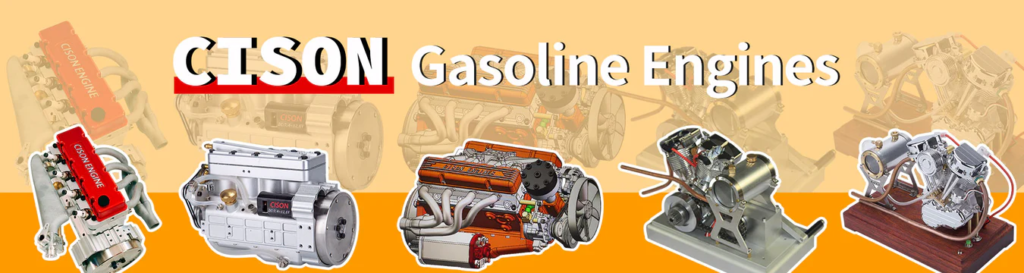
This is where CISON engine models provide another exciting learning opportunity. The Cison engine kit collection allows builders to experience detailed engine construction while exploring how internal combustion-style systems operate.
CISON engine kits are designed with realistic mechanical details, helping hobbyists understand the structure and movement of miniature engines. These projects can include components such as:
- Pistons
- Cylinders
- Crankshafts
- Connecting rods
- Flywheels
By assembling these parts, builders gain insight into how real engines create motion and power.
Comparing Steam and CISON Engine Experiences
Although steam engines and CISON engine models use different designs, both provide valuable lessons in mechanical engineering.
Steam engine kits help users understand the relationship between heat, pressure, and motion. They demonstrate how energy can be transformed into mechanical movement.
CISON engine kits focus more on detailed engine structures and the interaction between moving components. They help builders explore how internal mechanisms work together to produce operation.
Together, these projects provide a broader understanding of engineering principles and show how different technologies achieve similar goals.
A Rewarding Hobby for All Skill Levels
One of the reasons miniature engine projects continue to grow in popularity is their accessibility. They are suitable for many different types of hobbyists.
Beginners
New builders can use these kits as an introduction to mechanics and engineering.
Students
Students can connect classroom concepts with real examples, making STEM learning more interesting.
Experienced Hobbyists
Advanced builders can enjoy the challenge of detailed assembly and studying mechanical systems.
Collectors
Many miniature engines are also appreciated for their craftsmanship and realistic designs.
No matter the experience level, these projects provide opportunities to learn and create.
Building Skills Beyond Engineering
The benefits of miniature engine projects extend beyond understanding machines. They also help develop important personal skills.
Builders often improve their:
- Focus
- Creativity
- Logical thinking
- Attention to detail
- Confidence with technical projects
These skills are valuable in many areas, including education, professional development, and other creative hobbies.
The process of building a working engine teaches patience and encourages curiosity, which are important qualities for lifelong learning.
Conclusion
Steam and CISON engine kits provide hobbyists with an exciting way to explore the art of mechanical engineering. They combine learning, creativity, and hands-on building to make complex ideas easier to understand.
From the movement of a steam-powered piston to the detailed operation of a miniature engine model, these projects reveal the fascinating world of mechanics in an accessible way.
Whether you are a beginner discovering engineering for the first time or an experienced hobbyist looking for a new challenge, miniature engine kits offer a rewarding journey. By building, experimenting, and observing, anyone can experience the satisfaction of bringing mechanical ideas to life.