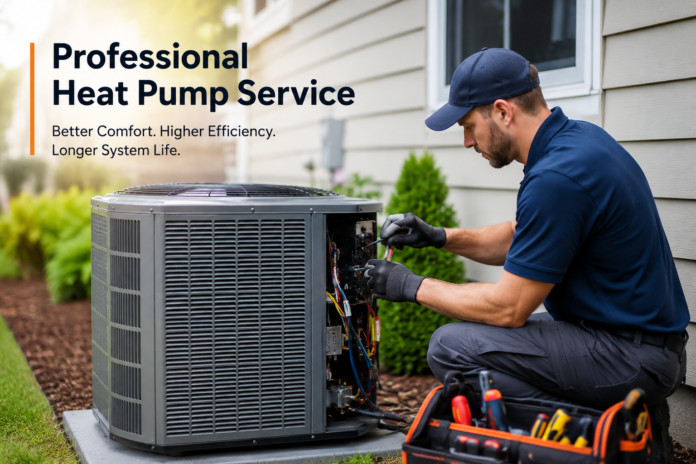

Keeping your climate control system in top shape is crucial for long-term comfort and reliability inside your home. Homeowners often overlook these appliances until a significant failure occurs, which leads to emergency costs and potential downtime. Regular professional care ensures the machine runs smoothly throughout the changing seasons.
Maintaining consistent indoor temperature
When your system is well-tuned, it manages thermal distribution across your living spaces with high precision. This stability means you avoid uncomfortable fluctuations, regardless of the weather conditions outside. Maintaining consistent indoor temperature allows you to relax in a perfectly regulated environment throughout the day.
Preventing unexpected system failures
Proactive checkups catch potential issues early before they turn into full breakdowns. Technicians often identify minor worn parts that could cause catastrophic failure if left unattended. This strategic approach to hardware preservation keeps your household running without disruption during extreme weather events.
Extending the operational lifespan of your unit
Routine maintenance significantly reduces the daily mechanical toll on your central heating and cooling equipment. By minimizing internal friction and keeping components clean, you ensure the system operates efficiently for many years. Proper care helps you avoid premature replacement costs while protecting your initial investment.
Recognizing signs that suggest a need for service
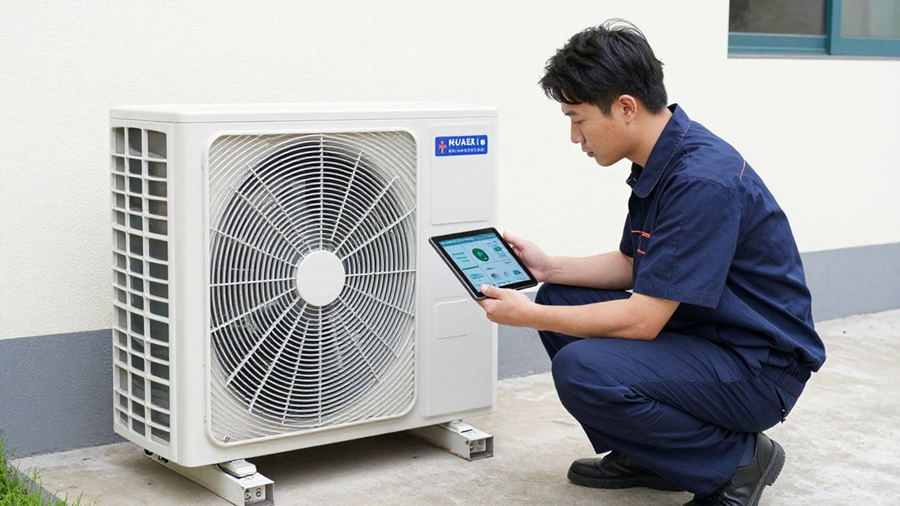
Homeowners should stay vigilant regarding the performance of their units to catch anomalies in real-time. Subtle shifts in how the machine sounds or functions often provide early warning signs of underlying mechanical trouble. Paying attention to these indicators helps you distinguish between normal operation and signs that require professional intervention.
Unusual noises or vibrations during operation
Strange grinding or clicking sounds usually signal that internal components have become loose or are failing. These vibrations increase the strain on motors and fans, leading to faster degradation of moving parts. Promptly addressing these sounds prevents more extensive damage to the core refrigeration system.
Uneven heating or cooling throughout the home
If certain rooms remain drafty while others become sweltering, your distribution system likely requires a balance check. This often results from blocked ducts, failing blowers, or low refrigerant levels that impede effective circulation. Ensuring uniform comfort levels is a foundational benefit of proper system calibration.
Rising energy bills without an obvious cause
Sudden spikes in utility costs are one of the most reliable indicators of hidden mechanical inefficiency. When a pump works harder to produce the same result, it consumes significantly more electricity than nominal levels. Monitoring your monthly usage reports remains the easiest way to detect these efficiency gaps.
Poor air quality and reduced airflow performance
Restricted air movement often indicates a heavily clogged filter or a buildup of debris deep within the blower assembly. This poor airflow forces the motor to operate in sub-optimal conditions, reducing the lifespan of your unit. Improving air quality through professional cleaning helps maintain both respiratory comfort and mechanical health.
The advantages of hiring local heat pump specialists
Engaging experts from the immediate area ensures your specific regional needs receive appropriate attention and care. These technicians understand local weather patterns and how they uniquely affect your HVAC hardware over time. Choosing local heat pump specialists provides you with a dedicated support network committed to your long-term home comfort.
Expertise in regional climate demands
Professionals familiar with your specific geographic climate know exactly how to optimize your settings for seasonal shifts. They have deep experience working with regional humidity levels and temperature extremes found in your immediate neighborhood. This localized knowledge ensures your system operates at peak capacity during the most challenging months of the year.
Faster response times for emergency repairs
When a critical failure impacts your household, proximity becomes the most important factor in service delivery. Local crews arrive significantly faster than distant service providers, minimizing the duration of discomfort. Having a nearby partner means help is only a short drive away when you need it most.
Building a reliable relationship with trusted technicians
Consistent service visits allow technicians to learn the unique history and performance quirks of your specific installation. Over time, this familiarity leads to faster diagnostics and more personalized recommendations for maintenance or upgrades. Trusting your home to experts who know your system builds confidence in every repair.
Navigating local residential building codes and regulations
Professional local teams stay fully updated on current municipal requirements and energy efficiency standards for residential buildings. They ensure that every repair or service task follows documented local protocols to keep your home compliant and safe. Utilizing their knowledge helps you pass inspections with ease and avoids potential administrative issues.
Essential tasks performed during a professional inspection
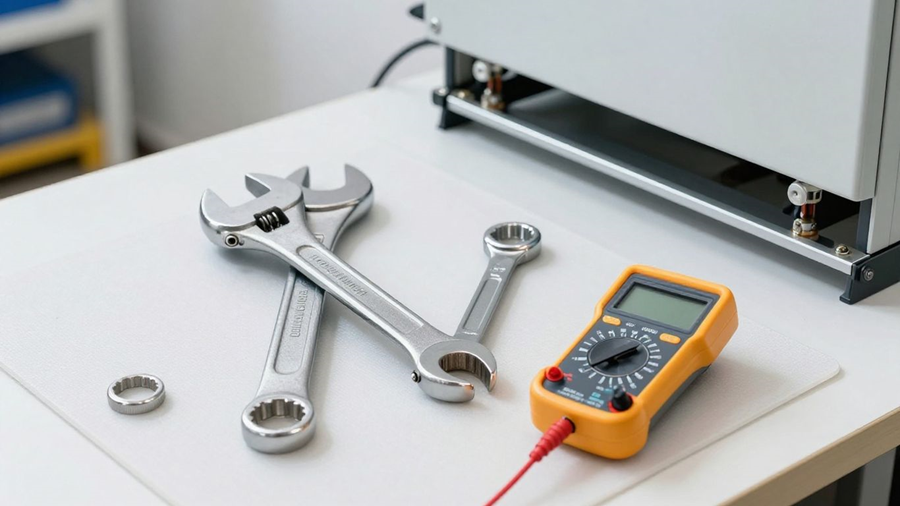
Professional inspections go far beyond a simple filter change. A thorough visit includes specific technical adjustments that restore your system to its design specifications. These detailed procedures ensure every internal piece works in harmony to pull heat into or out of your home.
Inspecting and tightening electrical connections
Technicians verify that all power supply points remain secure and free from corrosion to prevent intermittent voltage drops. This task is essential for preventing short circuits and protecting sensitive electronic control boards from electrical damage. Proper connection maintenance keeps the system safe and operational during high-demand cycles.
Cleaning and calibrating coils and blowers
A build-up of dust on evaporator and condenser coils acts as an insulator, drastically reducing thermal transfer capabilities. By thoroughly cleaning these surfaces, technicians restore the machine to its high-efficiency state. Below is a breakdown of typical technician maintenance steps:
| Task Name | Importance | Frequency | |
| Coil Sanitization | Heat transfer efficiency | Annual | |
| Blower Lubrication | Reducing motor wear | Semi-annual | |
| Sensor Calibration | Thermal accuracy | Annual |
These adjustments allow your Trane heat pump to reach the designated temperature setpoint with much less effort than a neglected unit.
Managing refrigerant levels for efficient heat transfer
Correct refrigerant pressure is absolutely vital for the effective movement of heat between your indoor and outdoor environments. If the system drops below optimal levels, it loses the ability to condition air effectively and forces the compressor to run continuously. Skilled technicians measure and add refrigerant to keep everything balanced and functional.
Testing defrost cycles to ensure winter reliability
Defrost cycles prevent frost from accumulating on outdoor coils during cold weather, which would otherwise block airflow completely. Testing the controls that govern these cycles ensures they activate at the correct intervals to keep your home warm. When your system can clear ice effectively, you maintain heating efficiency even on the coldest winter days.
Boosting energy efficiency through routine checkups
Lowering your environmental footprint starts with ensuring your mechanical systems operate with minimal waste. Regular maintenance helps you achieve better results while using fewer resources throughout the year. Improving overall efficiency is a smart way to manage costs without sacrificing home comfort.
Improving mechanical performance through deep cleaning
Removing accumulated dirt from internal assemblies allows for smoother movement and better heat rejection. When a fan or compressor is free of gunk, it requires less power to achieve high rotation speeds. This cleaner operation naturally results in quieter and more reliable daily performance.
Reducing excess strain on the compressor
The compressor acts as the heart of the machine and requires consistent care to maintain its longevity. By identifying restrictions before they cause pressure issues, technicians protect this primary component from failing under immense internal load. Reducing this strain ensures the long-term viability of your cooling system.
Optimizing airflow through filter and duct assessment
Proper airflow management remains the most critical factor in achieving high-efficiency cooling and heating. Here are several ways that routine assessments help optimize your home environment:
- Identifying air leaks in the trunk line
- Replacing dated filters with high-efficiency alternatives
- Checking damper positions for proper zoning
- Clearing obstructions at the return grilles
These corrective actions ensure that your Trane air conditioning cycle performs exactly as intended to keep every room comfortable. Improving your duct health directly translates to reduced cycle times and better energy usage patterns.
Seasonal preparation for maximum comfort
Seasonal transitions represent the perfect opportunity to update your service schedule and prepare for the coming weather shifts. Proactive planning ensures that your home remains comfortable regardless of whether the external climate is heating up or cooling down. Aligning your service frequency with seasonal demand spikes keeps your home protected.
Preparing your system for high-demand summer cooling
As the outdoor temperature climbs, your equipment faces heavy-duty requirements to keep your indoor space cool. A pre-summer inspection ensures the refrigerant is topped off and all electrical components are ready for the upcoming surge. Completing these tasks early helps you avoid the common performance drops associated with hot summer afternoons.
Ensuring consistent heating efficiency during winter months
Winter demands require your pump to draw heat from cold outside air, necessitating peak efficiency for every watt of power used. Ensuring your defrost sensors and internal heating elements function correctly allows the equipment to handle severe freezes. Consistent winter performance depends on keeping the outdoor unit clear and properly calibrated.
Scheduling service visits to avoid peak demand delays
Waiting until the first heat wave or deep freeze often creates long wait times for service calls across your city. By booking your appointments during the shoulder seasons, you secure priority access to your preferred local heat pump specialists. This simple scheduling habit guarantees your system is already optimized before the intense seasons begin.
Conclusion
Investing in regular professional care for your system provides peace of mind while significantly enhancing your home’s comfort levels. By staying diligent with inspections and focusing on local expert support, you ensure your Trane equipment continues to function flawlessly year after year. Treating your home’s HVAC system as a high-value asset worth protecting will pay dividends in lower utility bills and increased reliability for the long haul.