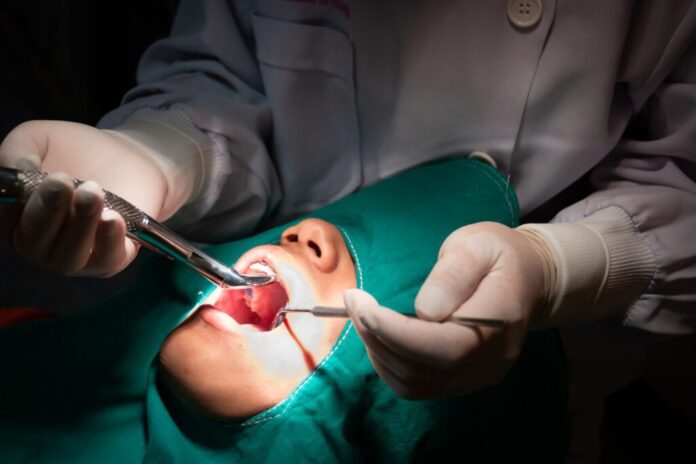

Every mouth tells a different story. Your pain, fears, and hopes are your own, so your care must match that. Oral surgeons know this. They study your health, your daily habits, and your goals before they plan a single step. First, they listen. Then they examine your teeth, gums, jaw, and bite. Next, they use scans and photos to see what the eye cannot see. Each piece of information shapes a plan that fits only you. This is true for simple tooth removal, complex jaw work, and implant surgery in Fresno. You are not a number on a chart. You are a person who needs clear answers, safe care, and a steady hand. This blog explains how oral surgeons adjust tools, timing, and techniques for each case so you understand what is happening inside your mouth and why it matters for your long term health.
Step One: Your Story Comes First
Personal care starts with your story. You share what hurts, what scares you, and what you hope to fix. You also share your health history.
Oral surgeons ask about three core parts of your life.
- Your medical history. Heart disease. Diabetes. Blood thinners. Allergies.
- Your habits. Smoking. Alcohol use. Grinding your teeth at night.
- Your goals. Less pain. Better chewing. A stable smile you can trust.
You may feel tired of telling the same story. Yet each detail changes what is safe and what is risky. For example, if you take blood thinners, the surgeon plans extra steps to control bleeding. If you have diabetes, the surgeon plans for slower healing and closer follow up.
Step Two: Exams And Imaging For Your Mouth
Next comes a close exam of your mouth, jaw, and face. The surgeon looks at how your teeth fit, how your jaw moves, and how your gums look. They also check for infection, loose teeth, or sores.
Then they use tools that see inside your bone.
- X rays to see roots, bone height, and hidden teeth
- CT scans to see nerves, sinuses, and bone shape in three views
- Photos to track changes over time
These pictures help the surgeon plan safe paths for surgery. For example, the surgeon must know where the nerve in your lower jaw runs before pulling wisdom teeth. The National Institute of Dental and Craniofacial Research explains how X-rays help find hidden problems that the eye misses.
Step Three: Matching Treatment To Risk Level
After the exam and imaging, the surgeon matches your case to your risk level. This guides the treatment plan, the setting, and the type of numbing used.
| Risk Level | Typical Patient Traits | Common Treatment Setting | Numbing Method |
| Low | Healthy, no major medical problems, simple tooth issue | Office visit | Local numbing near the tooth |
| Medium | Controlled health issues, complex tooth roots, mild anxiety | Office visit with close monitoring | Local numbing plus pill or IV medicine to help you relax |
| High | Serious heart or lung disease, bleeding problems, extreme fear | Hospital or surgery center | General anesthesia with a full medical team |
This match is not guesswork. The surgeon uses clear rules from groups like the American Society of Anesthesiologists. Your health and your stress level shape where and how your surgery takes place.
Step Four: Choosing The Right Numbing And Sedation
Your comfort is part of the plan. The surgeon does not use a one-size-fits-all choice for numbing or sedation. Instead, they look at three things.
- Your health and medicines
- Your fear level and past bad experiences
- The length and type of surgery
Some people do well with numbing shots and calm talk. Others shake, cry, or freeze in the chair. Children and people with special needs may not stay still. In those cases, the surgeon may suggest deeper sedation or general anesthesia.
The U.S. Food and Drug Administration explains that sedation and anesthesia have real risks. Careful planning and trained staff reduce those risks.
Step Five: Custom Planning For Implants And Jaw Surgery
Some cases need even more careful planning. Dental implants and jaw surgery change how you chew, speak, and look. Surgeons use digital scans and models to test plans before they touch your bone.
For dental implants, they plan three core points.
- Exact spot in the bone
- Correct depth and angle
- Right size of the implant for your bone
If your bone is thin, they may plan bone grafting to build support. If your sinus is low, they may raise the sinus floor. Each choice depends on your bone, your bite, and your goals.
For jaw surgery, the surgeon may use 3D models to move your jaw on a screen. This helps find the best jaw position for your bite and your airway. It also helps plan cuts in the bone that protect nerves.
Step Six: Adapting To Your Age And Life Stage
Age changes how your body heals. It also changes what matters most to you.
- Children need growth friendly plans that protect future teeth
- Teens often face wisdom teeth removal during busy school years
- Adults may care most about work time, pain control, and cost
- Older adults may need help with bone loss and many medicines
Your surgeon shapes timing, pain plans, and home care to match your stage of life. For a teen, they may group treatment during a school break. For an older adult, they may speak with your doctor about heart or bone medicines before surgery.
Step Seven: Your Role In The Plan
Personal care only works if you take an active role. You have three key jobs.
- Tell the full truth about your health and habits
- Ask every question that sits in your mind
- Follow pre and post surgery directions without skipping steps
Clear talk builds trust. It also lowers fear. When you know why you must stop smoking, adjust a medicine, or use ice a certain way, you are more likely to follow through.
Steady Care For Your One Mouth
No two mouths match. No two surgeries should match either. Oral surgeons use your story, your health, your images, and your goals to shape a plan that fits only you. That plan covers where the surgery happens, how you stay comfortable, how risks stay low, and how you heal at home. You deserve care that respects your body and your fears. You also deserve plain talk about every step. When you get both, you gain more than a repair. You gain trust in the care that guards your only mouth.