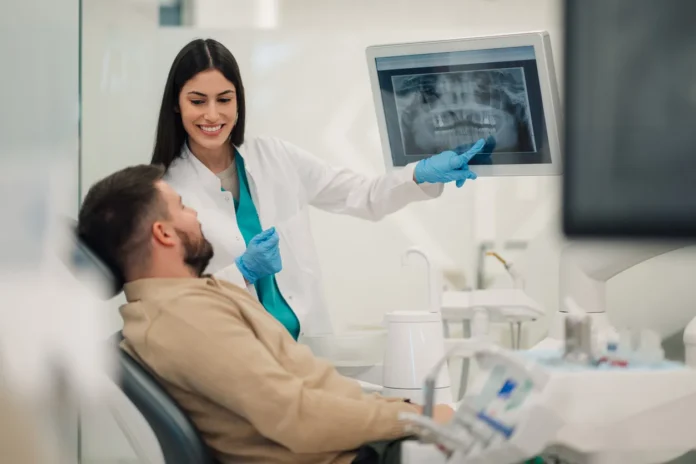

You might be feeling pulled in five directions at once. One child needs sealants, another has braces, a parent is putting off a toothache, and somewhere in there you are trying to remember when you last had a cleaning. It can feel like everyone’s dental needs are scattered, and you are the one trying to keep all the pieces together. A trusted Plainfield dentist can help bring everything under one roof so your family’s care feels simpler and more coordinated.
Because of this tension, you might wonder whether there is a simpler way to care for everyone’s teeth without losing track of appointments, paperwork, and costs. That is where a family dentist who cares for several generations at once can quietly change the picture. When one practice understands your whole family, preventive care becomes easier to access, easier to remember, and easier to afford over time.
In plain terms, multigenerational dental care means one trusted office for kids, parents, and grandparents. It reduces stress, strengthens habits, and makes it more likely that small problems are caught before they turn into emergencies. It does not erase every challenge, yet it often turns a confusing maze into a clearer, more manageable path.
Why does preventive dental care feel so hard to keep up with?
For many people, the story starts the same way. You intend to schedule regular cleanings, but then work runs late, a child gets sick, or a parent needs help, and suddenly a year or two has passed. You may feel guilty about that gap, and that guilt can make it even harder to call and book again.
The problem is not only time. There is the emotional side. Maybe you had a bad experience in a dental chair as a child. Maybe your teenager is anxious about needles. Maybe an older parent is afraid they will be judged for missing teeth. When anxiety runs through a family, it is easy for everyone to quietly avoid care.
There is also the financial strain. Cleanings, X rays, and checkups can feel optional when money is tight, even though they protect you from painful and costly procedures later. You might be trying to balance insurance rules, out of pocket costs, and questions about what is actually necessary.
So where does that leave you? Often with a mix of worry and delay. You know preventive care matters, yet the path to getting everyone seen feels steep and uneven.
How multigenerational dental care changes that story
When one multigenerational dentist cares for your whole family, several things shift in your favor. First, there is the power of familiarity. The team knows your children’s personalities, your health history, and your parents’ medical conditions. They understand your family’s comfort levels and can plan visits in a way that feels calmer and more predictable.
For example, imagine a visit where you bring your seven year old and your mother at the same time. Your child watches a grandparent calmly getting a cleaning, which quietly normalizes the experience. Your mother sees that the office is gentle with her grandchild, which can ease her own anxiety. The dentist can speak to both of you about shared risk factors such as family history of gum disease, and adjust preventive care for everyone.
There is also a practical advantage. A practice that focuses on preventive family dental care can set up routine schedules that cover all ages. Children might receive fluoride and sealants while parents get periodontal screenings and grandparents are checked for dry mouth or oral cancer. Instead of scattered services, the focus becomes early detection across the entire family.
Public health research supports this approach. Resources like the Centers for Disease Control and Prevention explain how regular cleanings, sealants, and fluoride help prevent decay and gum disease. You can read more about proven preventive measures on the CDC’s page on oral health prevention.
Because one practice sees the patterns in your family, they can also spot risks sooner. If several relatives have diabetes, for instance, the dentist may watch everyone more closely for gum disease. If children show early crowding, the office can time orthodontic evaluations before problems worsen. This kind of connected care is hard to build when each person goes to a different provider.
What are the real benefits compared to “everyone on their own” care?
You might be thinking, “Is it really that different from each of us seeing a separate dentist?” The differences often show up in the small, practical details that build over years.
The table below compares a fragmented approach, where each person sees a different provider, with a multigenerational family practice that focuses on prevention.
| Aspect | Separate Dentists for Each Person | Multigenerational Family Dentist |
| Scheduling and logistics | Multiple offices, different policies, more time off work or school | Combined visits, fewer trips, easier to plan around your life |
| Tracking preventive visits | Harder to remember who is overdue, gaps are common | One office tracks the whole family, reminders cover everyone |
| Understanding family risk factors | Each dentist sees only one person, patterns can be missed | One team sees trends across generations and adjusts care early |
| Comfort and trust | Each person builds trust alone, anxiety can spread through stories | Shared positive experiences reduce fear for kids and adults |
| Financial planning | Different billing systems and treatment styles to manage | One office to discuss costs, insurance, and preventive priorities |
| Emergency situations | Calling different offices, repeating history during stress | Familiar team already knows your background when urgent care is needed |
Programs that support oral health in mothers, children, and families also stress the value of early, ongoing care. The Health Resources and Services Administration highlights how coordinated family services can protect children and caregivers at the same time. You can see examples of this approach on the HRSA page about oral health programs for mothers and children.
When a practice is set up for multiple generations, preventive services are not an afterthought. They become the core. That usually means fewer surprises, fewer late night emergencies, and more steady progress toward healthier mouths for everyone you love.
What can you do right now to make preventive care more accessible?
You might still feel unsure about where to start, especially if it has been a while since your last visit. That is completely understandable. Small, clear steps are often the most powerful here.
1. Map your family’s current dental picture
Take ten quiet minutes and write down each family member’s last cleaning, any known problems, and any fears. Include yourself, children, and older relatives you help. This simple list will show you where the biggest gaps are. It also gives you something concrete to share with a family dentist, which helps them tailor preventive care from the first visit.
2. Look for a family dentist who welcomes all ages
When you research a new provider, check that they clearly treat children, adults, and seniors. Read how they talk about preventive care, not just cosmetic or emergency services. Call and ask how they handle anxious patients and whether families can cluster appointments. The right office will not just “fit you in.” They will work with you to create a schedule that respects your time and your worries.
3. Build a simple preventive routine you can actually keep
Once you choose a family practice, ask them to help you set a basic calendar. That might mean cleanings every six months for most adults and children, more frequent visits for anyone with gum disease, and specific timelines for sealants or fluoride treatments. Put these dates in a shared calendar and treat them like you would any other important health appointment. Over time, what once felt like a burden starts to feel like a rhythm.
Moving forward with more confidence and less stress
You do not have to fix everything at once. You do not have to be perfect. What matters is that you move from scattered, reactive care toward a steady, preventive approach that includes every generation in your family.
When you choose a practice that understands multigenerational dental care, you give yourself support, not one more thing to manage alone. You create a place where children grow up seeing preventive visits as normal, where adults feel heard about pain and cost, and where older relatives are treated with patience and respect.
From there, healthier smiles become more likely not because you work harder, but because you finally have a system that works with you.