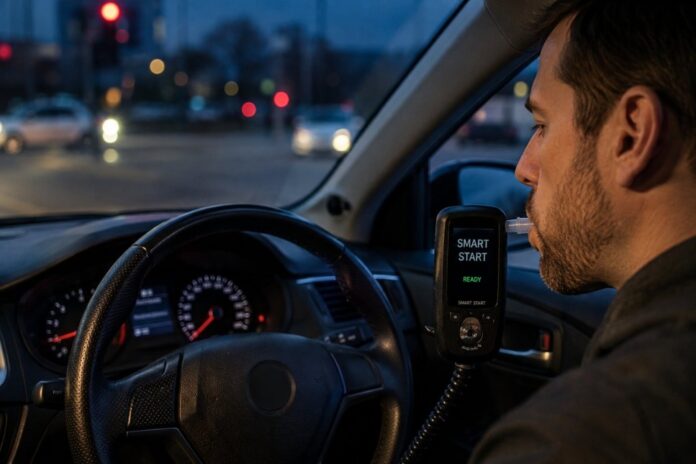

Understanding the time it takes for alcohol to clear from one’s system is essential, especially when it comes to making safe decisions about driving. Consuming alcohol can significantly impair judgment and motor skills, making driving hazardous. Individuals must be aware of how long alcohol stays in their system to avoid potential legal issues and ensure road safety. If a person has been convicted of driving under the influence, they might need an interlock device installation near me to comply with legal requirements.
The Metabolism of Alcohol
Alcohol is metabolised primarily by the liver, where enzymes break it down into acetaldehyde and then into carbon dioxide and water. The rate at which the body metabolises alcohol can vary depending on several factors, including age, weight, gender, and overall health. On average, the liver processes one standard drink per hour.
Factors Affecting Alcohol Clearance
Several factors determine how quickly alcohol leaves the bloodstream. Body weight and composition can influence metabolism, as individuals with more body mass have more fluid to dilute the alcohol, potentially speeding up the process. Additionally, gender differences can affect alcohol absorption, with females generally experiencing a slower rate of metabolism due to physiological factors.
Understanding Blood Alcohol Content (BAC)
Blood Alcohol Content (BAC) measures the amount of alcohol in the bloodstream. Legal driving limits vary, but most jurisdictions adhere to a BAC of 0.05% for full licence holders. It’s crucial to understand that factors such as the number of drinks consumed, the speed of consumption, and even whether you’ve eaten can influence your BAC levels.
Typical Clearance Rates
As a general guideline, it takes about two hours for the alcohol contained in one standard drink to be metabolised and eliminated from the system. However, this can vary based on the factors discussed earlier. Multiple drinks or rapid consumption can significantly extend the clearance time.
Consequences of Driving Under the Influence
Driving with alcohol in your system beyond the legal limit has severe consequences. It increases the risk of accidents, leading to possible injury or death. Legally, it can result in fines, licence suspension, and the requirement to install an alcohol ignition interlock device in your vehicle. This device helps ensure that the driver is alcohol-free before operating the vehicle.
Role of Smart Start Interlocks
Smart Start Interlocks provides innovative solutions that assist drivers in complying with legal requirements after DUI offences. These devices are designed to prevent the vehicle from starting if alcohol is detected on the driver’s breath, ensuring road safety. Their modern, user-friendly systems make compliance easier for drivers.
Legal and Health Implications
The legal implications of being caught driving over the limit are considerable, including potentially hefty fines and loss of driving privileges. Beyond the legal consequences, health implications from excessive drinking can also arise, affecting not just liver health but also overall mental and physical well-being.
Strategies to Avoid Driving Under the Influence
There are several strategies to ensure one does not drive while under the influence of alcohol. These include designating a sober driver, using public transport, or utilising ride-sharing services. Planning ahead when consuming alcohol can save lives and prevent legal complications.
Monitoring Alcohol Intake
Keeping track of alcohol intake is crucial for safe driving. Many choose to limit their consumption to stay within legal BAC limits. Understanding how different types and amounts of alcohol affect one’s body can contribute to better decision-making.
Conclusion
The decision to drive after drinking should never be taken lightly. With various factors influencing how long alcohol remains in the system, individuals should allow ample time after drinking before considering driving. Technologies provided by companies like Smart Start Interlocks play a vital role in ensuring that drivers comply with legal requirements, thereby contributing to safer roads.