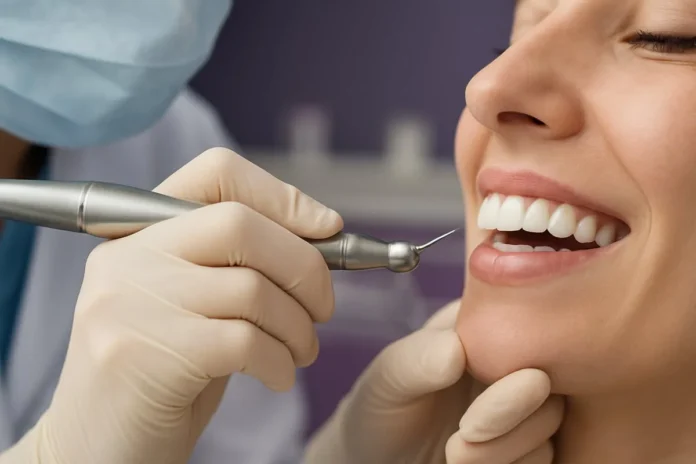

You might be looking in the mirror right now and noticing that the bright, smooth smile you invested in a few years ago just does not look quite the same. Maybe a veneer edge feels rough, a white filling picked up a stain, or a crown that once blended in perfectly now looks slightly off. You start to wonder if something went wrong, or if you did something wrong, and whether it is time to consult a San Jose dentist.
That mix of frustration and worry is very common. You spent time, money, and emotional energy to feel confident about your teeth, so the idea that cosmetic work might not “last” can feel discouraging. You are not being picky. You are simply noticing that your smile matters to you.
The encouraging news is that long lasting cosmetic results rarely depend on one big treatment. They depend on steady, thoughtful general dentistry supporting cosmetic restorations over time. In other words, the everyday care, maintenance visits, and quiet preventive work are what protect the beautiful work you already paid for.
So, where does that leave you? It means there is usually a clear path forward. With the right general and cosmetic dentist, you can often protect what you have, fine tune what has changed, and plan smartly for the future so your smile keeps looking like “you” for many years.
Why Do Cosmetic Restorations Change Over Time, And Why Is That So Stressful?
Think about what your teeth go through on a normal day. Hot coffee, cold water, crunchy snacks, night-time clenching, maybe the occasional accident with a fork. Now add materials like porcelain, composite resin, or zirconia that must live in that environment every single day.
The problem is not that your cosmetic work was “bad.” Even excellent restorations are part of a living system. Gums shift. Jaw joints change with age or stress. Natural teeth wear. Research on modern dental materials and their long term behavior shows that they are strong and predictable, yet still affected by time and use.
Because of this, you can run into issues like these:
- A once invisible filling near the front of your mouth starts to stain at the edges.
- A porcelain veneer looks slightly longer than the tooth next to it as gums recede with age.
- A crown that felt perfect at first begins to bother you when you chew on one side.
- Teeth whitening no longer matches the shade of your older cosmetic work.
On the emotional side, there is another layer. You might feel embarrassed to bring it up, especially if you liked your dentist and do not want to sound ungrateful or “high maintenance.” You might feel anxious about the cost of fixing anything. You might even feel a bit of regret and wonder if you should have left your teeth alone in the first place.
So how does this get better, not worse, over time?
This is where steady, thoughtful general dental care for cosmetic work comes in. Regular exams, cleanings, minor adjustments, and bite checks are what keep cosmetic restorations working with the rest of your mouth instead of fighting against it.
How Does General Dentistry Quietly Protect Your Cosmetic Work?
Think of your cosmetic restorations as a custom suit. It looked amazing the day you picked it up, but over time your body changes. If no one ever adjusts the fit, that same suit can start to feel wrong, even though the material is still good.
Your teeth and gums are similar. General dentistry is the “tailoring” that helps your cosmetic dentistry keep fitting your mouth as you change. Here is how that support usually looks.
1. Early detection before small problems become big repairs
Your routine exams and cleanings are not just about cavities. A general and cosmetic dentist will check for hairline cracks in fillings, tiny chips in veneers, changes in your bite, and early gum inflammation around crowns or bridges.
Many modern restorative materials are designed to work in partnership with your natural tooth. Ongoing research into advanced dental materials focuses on how they wear, bond, and respond to stress over time. General dentists use this knowledge to decide when a restoration needs a small polish, a repair, or a full replacement.
2. Protecting your gums, which frame every cosmetic result
Even the best veneer or crown can look “off” if the gums around it are red, puffy, or receding. Preventive cleanings and gentle gum care are what keep the frame of your smile healthy so your cosmetic work still looks natural.
Untreated gum disease can create gaps around restorations where bacteria collect. Over time that can lead to bad breath, bone loss, and loose teeth, which is the last thing you want after investing in cosmetic changes.
3. Managing bite pressure, grinding, and clenching
Many people grind or clench without realizing it. That constant pressure can chip porcelain, wear down composite, and stress the natural teeth that support crowns and bridges.
A careful general dentist checks your bite regularly and may suggest a night guard, small bite adjustments, or jaw exercises. These quiet, behind the scenes steps often make the difference between cosmetic work that lasts a few years and work that lasts much longer.
4. Choosing materials with maintenance in mind
If you are planning new cosmetic work, a thoughtful dentist will not just ask what you want it to look like today. They will also talk about how you use your teeth and how willing you are to maintain the results.
For example, there are different options for white fillings and bonding, and they do not all age the same way. The American Dental Association’s overview of materials for direct restorations explains how composites differ in strength and wear. A general dentist who understands your bite and habits can guide you toward choices that look good now and stand a reasonable chance of aging well.
Is It Worth Ongoing Care? A Simple Comparison
You might wonder whether regular general dental visits are really necessary after cosmetic work, or if you can just go in when something breaks. Comparing the two approaches can make the choice clearer.
| Approach | What It Looks Like | Short Term Impact | Long Term Impact On Cosmetic Restorations |
| Consistent general care | Regular exams, cleanings, bite checks, small repairs or polishes | Modest ongoing cost and time, fewer surprises | Restorations tend to last longer, look better, and fail less dramatically |
| “Wait until it breaks” care | Skipping visits, going in only for pain or obvious damage | Lower cost in quiet years, but more anxiety and sudden emergencies | More fractures, sudden failures, and larger replacements instead of small fixes |
When you look at it this way, steady general care acts like an insurance plan for your cosmetic work. It does not guarantee that nothing will ever need replacement, but it greatly improves the odds that you will get more years, fewer emergencies, and more predictable costs.
Three Practical Steps You Can Take Right Now
You do not need to solve everything at once. A few focused steps can give you clarity and control.
1. Schedule a “maintenance focused” exam, not just a quick cleaning
When you book your next visit, mention that you want your existing cosmetic work evaluated. Ask the dentist to check:
- How your bite sits on veneers, crowns, or bonding.
- Any tiny cracks, chips, or stains that could be smoothed or sealed.
- The health of gums around every restoration.
This signals that you care about long term maintenance, not just today’s polish.
2. Ask for a simple, written “smile maintenance plan”
During your visit, ask your general and cosmetic dentist to outline a short plan for the next one to three years. It might include:
- How often they want to see you for exams and cleanings.
- Any small preventive repairs they recommend now to avoid bigger work later.
- Whether a night guard or bite adjustment would protect your restorations.
Having this in writing can ease a lot of mental stress. You know what to expect instead of worrying about sudden, expensive surprises.
3. Protect your restorations at home with small habit changes
Daily habits make more difference than most people realize. A few simple ones:
- Use a soft toothbrush and gentle pressure so you do not wear away gum tissue around restorations.
- Avoid chewing ice, pens, or very hard foods with teeth that have veneers or large fillings.
- If you notice morning jaw soreness or headaches, mention it to your dentist. It might be grinding that can be managed before it damages your work.
These steps are not glamorous, yet they quietly protect the time and money you have already invested.
Moving Forward With Confidence About Your Smile
You do not have to choose between beautiful results and practical care. When general dentistry and cosmetic dentistry work together, you get both. Your smile looks good today, and you have a realistic plan to keep it that way.
If you have been feeling disappointed or worried about changes in your restorations, you are not alone, and you are not stuck. Thoughtful cosmetic and general dental services can often refresh what you already have, protect it better, and help you make smart choices about any new work.
The important thing is not to wait until something breaks. Start a conversation with a trusted general and cosmetic dentist, share what you are noticing, and ask for a long term maintenance plan. Your future self, and your future smile, will be grateful you did.