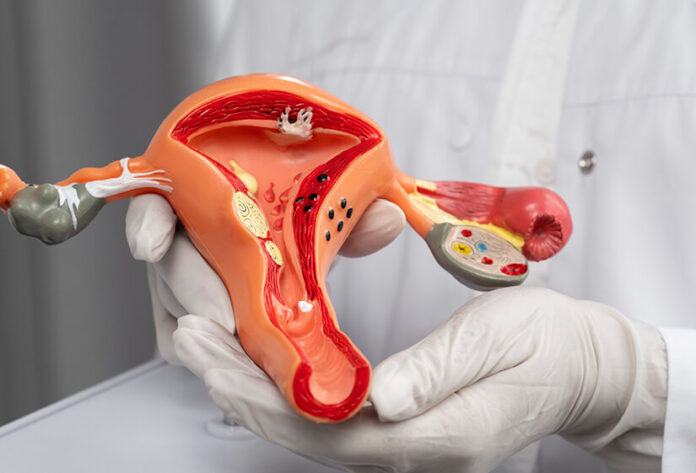

Receiving an accurate endometriosis test can be a difficult and time-consuming process. More than 176 million women are affected worldwide, but diagnosis is not always immediate since symptoms vary. Some women also experience subtle symptoms, which is referred to as silent endometriosis. Here is information on advancements in endometriosis testing:
Endometriosis Diagnostic Challenges
Endometriosis may present diagnostic challenges because symptoms differ significantly from one patient to the next. Some women have painful menstrual periods, pelvic pain, and bowel or bladder issues. Others experience less recognizable symptoms, such as back pain, which may be misdiagnosed due to the nonspecific nature. Those who experience silent endometriosis sometimes seek medical care after becoming unable to carry a pregnancy or experiencing repeated IVF failure.
Before physicians recommend an endometriosis test, they may evaluate several factors, including medical history and fertility concerns. This is because the disease shares symptoms with other medical conditions, making accurate diagnosis more complex. Diagnosis becomes a lengthy process that may postpone treatment planning for women pursuing assisted reproductive technology. Some conditions that share symptoms with endometriosis include:
- Ovarian cysts
- Pelvic inflammatory disease (PID)
- Irritable bowel syndrome (IBS)
Traditional Diagnostic Approaches
Laparoscopy is a standard option for diagnosing endometriosis, and it is the most common approach. Healthcare providers insert a fiber-optic instrument through the abdominal wall to view pelvic organs and remove visible endometriosis tissue when appropriate. While this procedure remains a key diagnostic tool in some situations, many patients can begin with less invasive diagnostic approaches. These help identify those who would benefit from further evaluation or treatment, so patients don’t undergo an unnecessary laparoscopy.
Laparotomy is another option, but this approach isn’t as common anymore. Undergoing a laparotomy involves open surgery, which is more invasive than laparoscopy. It requires a large incision across the abdomen instead of a few small ones. This leads to a more extensive recovery process.
Because having a close relative with endometriosis increases the likelihood of developing the condition, healthcare providers review a patient’s family history as part of the evaluation process. They also evaluate symptoms, medical history, physical examination findings, and imaging results, and they use this information to build a complete clinical picture. This information helps determine whether additional testing is appropriate and supports an accurate diagnosis.
BCL6 Biomarker Testing
Modern approaches to endometriosis testing now include evaluating the BCL6 biomarker. Elevated levels of this biomarker may be associated with endometriosis and implantation failure in certain infertility patients. A positive test indicates a higher chance that endometriosis is present; healthcare professionals can then refer patients to a specialist for confirmation. These tests are particularly valuable for women experiencing:
- Recurrent pregnancy loss
- Unexplained infertility
- Repeated IVF failure
A negative result indicates less than a 7% chance that endometriosis is present. Physicians can often rule out the disease and perform other diagnostic tests; this allows them to investigate alternative causes of a patient’s symptoms. Because this information helps guide clinical decision-making, physicians are able to develop individualized treatment plans based on a patient’s reproductive goals and medical history.
Fertility Treatment Planning
Advances in testing have changed how fertility specialists approach patients preparing for another embryo transfer. If the BCL6 biomarker test comes back positive, it may indicate that endometrial tissue is growing outside the uterus and affecting the reproductive organs; this includes the fallopian tubes and ovaries. Physicians discuss management strategies with their patients before proceeding with the next IVF cycle. Treatment may include medications to reduce inflammation, lifestyle adjustments to support overall health, or surgical removal of endometrial lesions.
Women with a positive BCL6 result have pregnancy rates of approximately 12% when they undergo another embryo transfer without treatment. After appropriate treatment, the probability of success on the next transfer increases to more than 60%. This illustrates how diagnostic information supports clinical decision-making; early treatment can give patients a better chance of planning conception and preserving fertility. A reproductive specialist is also able to suggest lifestyle changes that promote health. Patients who need more specialized fertility support may also consider consulting Ulm fertility center (Kinderwunschzentrum Ulm) for guidance tailored to their reproductive goals. This sometimes includes performing light exercises, making adjustments to diet, and quitting smoking and recreational drug use.
Learn More About Endometriosis Testing
Early endometriosis testing can help patients manage their symptoms, avoid misdiagnosis, support fertility, and improve quality of life. The test also detects silent cases with no obvious symptoms apart from difficulty getting pregnant. Healthcare providers use the test results to identify the condition early, and they can tailor treatment plans to match the patient’s fertility goals. Start by speaking with a physician about taking the test if you are experiencing symptoms or having trouble with fertility.