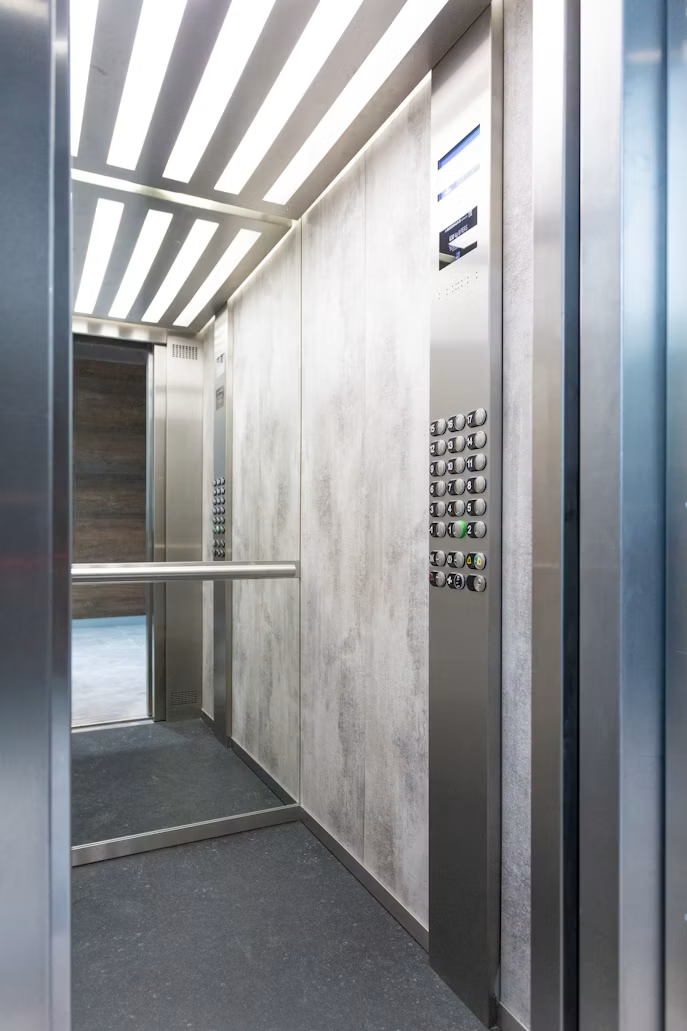

Commercial property performance relies heavily on building infrastructure running smoothly every single day. When key mechanical systems stall, daily business operations slow down immediately. Vertical transportation represents one of the most critical operational pillars in multi-story office spaces and retail centers. Property management teams must actively track equipment reliability to protect rental rates, maintain high occupancy levels, and protect long-term asset valuation across competitive market environments.
The First Impression Dilemma in Commercial Real Estate
Commercial office buildings rely heavily on vertical transportation to maintain smooth daily operations. Property administrators know that elevator downtime is both inconvenient and expensive for building managers working to keep operations running smoothly. Long wait times in lobbies create immediate frustration among visiting clients and full-time staff.
A broken cab in the main entrance hall signals poor maintenance standards to anyone entering the premises. Potential tenants notice operational flaws immediately during initial site tours and building walkthroughs. Leasing agents face tough questions when prospective clients see long queues forming near the main elevator banks.
Property managers cannot afford to let mechanical delays damage property perception. Maintaining pristine, fully operational cabs establishes a high standard of professional management from the moment visitors step inside.
How Out-of-Service Lifts Impact Tenant Satisfaction
Tenant retention rates drop when equipment outages happen repeatedly throughout the work month. Workers lose valuable billable hours waiting for functional cars during morning arrivals and afternoon rushes. Frequent disruptions lead to direct complaints registered with management staff and lease negotiators.
Satisfied occupants are far more likely to renew multi-year lease agreements without demanding steep rent reductions. A report published by the Facility Management Journal noted that faster structural drying and proactive equipment care reduce business downtime, keeping tenants operational and satisfied. Maintaining working equipment demonstrates that management respects tenant time and operational needs.
Property managers who ignore recurring mechanical glitches risk losing anchor tenants to competing commercial buildings. Modern office occupants expect seamless, fast movement throughout their daily work environments.
Financial Losses Beyond Direct Repair Costs
The total price tag of equipment failure stretches far beyond mechanical labor invoice charges. Unplanned downtime creates administrative strain and lowers corporate tenant productivity.
Financial losses show up across several operational areas:
- Premium emergency service fees charged by technicians for off-hours mechanical repairs
- Decreased worker output from lost office time spent waiting on crowded lobby floors
- Early lease terminations by high-value corporate tenants seeking better facility conditions
- Lower property appraisal values calculated during routine refinancing and investment evaluations
Building owners must look at total financial impact rather than standard service contract fees alone. Unscheduled outages quickly erode net operating income across quarterly fiscal periods.
Operational Bottlenecks in High-Rise Structures
Tall commercial structures feel the impact of mechanical outages instantly. A single offline car in a high-rise building forces remaining units to handle heavy passenger traffic under extreme stress.
Freight movements stall completely when service cabs break down during busy work hours. Delivery drivers miss tight delivery windows, and catering teams struggle to reach upper floors on schedule. Cleaning crews experience major delays shifting heavy equipment between building levels.
These daily delays aggregate into major operational bottlenecks across the entire property. Smooth logistics require all lift shafts to function at full capacity throughout primary operational hours.
Smart Monitoring Solutions for Modern Elevators
Modern technology offers new tools to track mechanical performance in real time. Smart sensors detect slight vibrations and thermal shifts before mechanical failure occurs in the shaft.
A research paper archived by New York University highlighted that predictive maintenance using IoT sensors in commercial building systems creates measurable ROI through downtime reduction and improved tenant retention. Building engineers receive early warnings through automated software alerts sent straight to management dashboards.
Fixing tiny alignment issues early stops major component failure from shutting down entire lift banks. Connected systems turn unpredictable breakdowns into scheduled routine tune-ups.
Property teams leveraging predictive analytics keep equipment running smoothly while managing labor costs effectively. Digital tracking creates transparency for long-term capital replacement planning.
Developing a Proactive Equipment Strategy
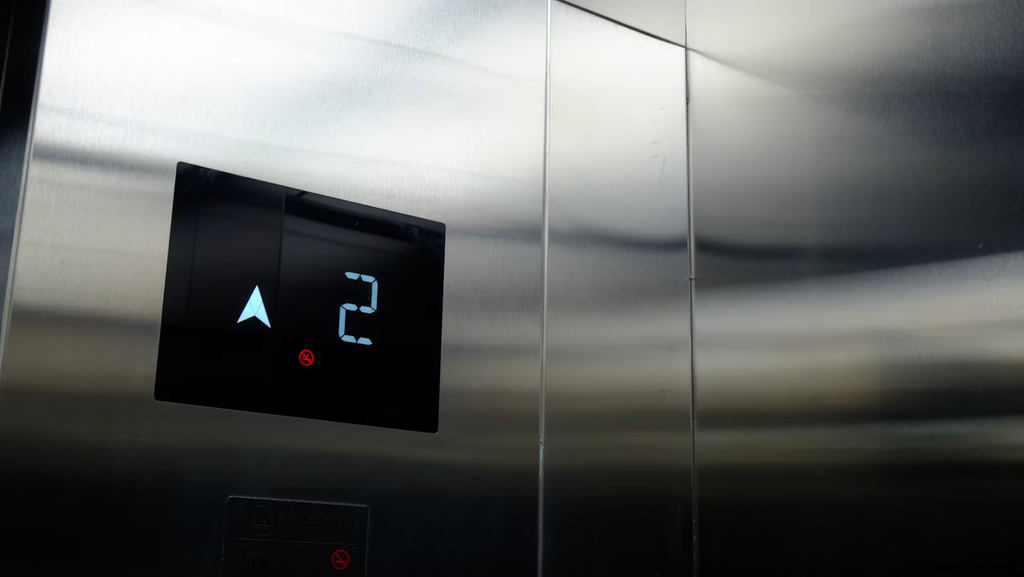
Proactive maintenance plans protect commercial properties from unexpected operational stops. Property managers who work closely with certified technicians avoid costly emergency calls during peak operational hours.
Core steps for an effective preventative maintenance routine include:
- Scheduled monthly inspections focused on high-wear mechanical components and safety brakes
- Quick replacement of worn cables, belts, and control panels before failure occurs
- Detailed digital logs tracking every repair call, part replacement, and inspection outcome
- Off-peak maintenance windows planned during low-traffic weekend hours or late evenings
Regular physical checks extend total equipment life spans by several years. Continuous monitoring lowers capital expenditure costs over decade-long investment horizons.
Protecting Long-Term Commercial Property Value
Building valuation ties directly to tenant satisfaction and net operating income. Investors evaluate physical infrastructure reliability when reviewing potential property purchases and valuation reports.
A history of frequent mechanical breakdowns lowers the official valuation grade of commercial spaces. Buyers factor anticipated modernization costs into lower initial purchase offers. High-performing lift systems protect market asset value during competitive sales cycles and market downturns.
Commercial landlords must invest in mechanical upgrades to maintain top asset tiers in crowded business districts. Solid infrastructure guarantees consistent cash flows from premium commercial tenants who value reliability.
Optimizing Energy Efficiency and Infrastructure Longevity
Modernizing vertical transit equipment delivers benefits that go beyond operational uptime. Older elevator drive systems draw excessive electricity, adding substantial utility expenses to building overhead budgets.
Upgrading to regenerative drives allows cabs to harvest kinetic energy during braking cycles. Reclaimed electricity feeds directly back into the building power grid, reducing monthly energy bills. Energy-efficient systems generate less heat, which reduces wear on motor components and extends machinery lifespans.
Green building certifications like LEED assign credit points for energy-efficient vertical transit systems. Higher sustainability ratings attract eco-conscious corporate tenants willing to pay premium lease rates.
Commercial property success relies on reliable physical systems that keep daily business running without interruption. Elevator maintenance plays a direct role in tenant satisfaction, property reputation, and long-term asset value. Property managers who adopt proactive monitoring strategies avoid unexpected financial losses and preserve high rental income. Keeping vertical transportation systems running smoothly helps commercial buildings stay competitive and profitable for years to come.