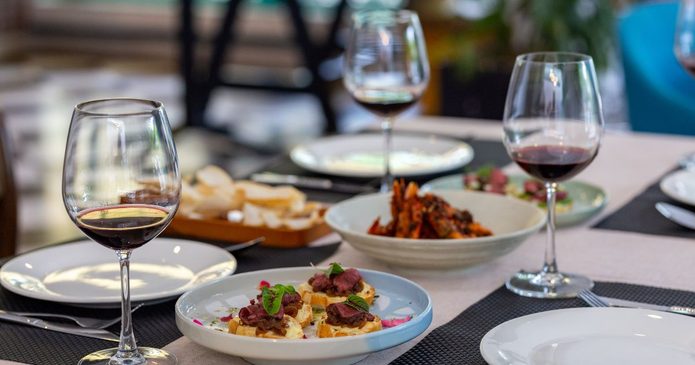

Fine dining is shaped not only by what arrives on the plate but also by when each course appears. Thoughtful pacing gives guests time to appreciate aromas, textures, conversation, and presentation without making the meal feel rushed or unnecessarily long. The pause between dishes can reset attention, allow flavors to settle, and build anticipation for what follows. Course timing also helps servers coordinate beverages, table clearing, and explanations without interrupting conversation. When pacing matches the menu’s length and character, the dining experience develops a natural rhythm that makes individual courses feel connected rather than simply served one after another.
- Early Courses Establish the Meal’s Rhythm
The opening courses often shape how guests perceive the meal’s pace. Small introductory dishes can create interest without making diners feel they must immediately prepare for another plate. At fine dining in Brooklyn NY at The Chef’s Table, thoughtful timing can help guests notice how one course introduces the tone for those that follow while still leaving room for conversation and observation. Restaurants may allow slightly different pauses depending on a dish’s complexity, whether a beverage is being served, or whether guests are still discussing the previous course. Moving too quickly can make carefully prepared dishes feel compressed, while excessive delays can interrupt momentum. A measured opening rhythm gives diners time to settle into the setting and service style. It also lets the kitchen and dining room establish a coordinated pattern, helping each course feel intentional from the start instead of arriving on a rigid clock that ignores what is happening at the table.
- Flavor Progression Benefits From Intentional Pauses
Course pacing can also influence how flavors are perceived. Rich, acidic, smoky, delicate, or sweet elements may leave different impressions on the palate, and serving the next dish immediately can blur those distinctions. A brief pause gives guests time to finish a beverage, drink water, or simply let the previous flavors recede before experiencing a new combination. This becomes especially useful in longer tasting menus, where dishes may move from lighter preparations to deeper, richer flavors before concluding with dessert. Thoughtful spacing can prevent the meal from feeling like a continuous stream of food with no opportunity to recognize individual transitions. The kitchen may also use pacing to control temperature and texture, sending a hot preparation only when the table is ready to receive it. When these decisions are coordinated carefully, each course can retain its own identity while still contributing to the larger progression. The result feels more like a composed sequence than a collection of unrelated plates served during the same reservation.
- Service Cues Help Keep the Meal Responsive
Thoughtful pacing is rarely identical for every table because diners naturally move through meals at different speeds. Some guests spend longer discussing each course, while others finish quickly and are ready to continue. Servers can observe these patterns and communicate with the kitchen so the next dish arrives at an appropriate moment. Clearing plates too early can make guests feel rushed, while leaving finished settings in place for too long can make the meal lose energy. Beverage service also influences timing because a wine pour, cocktail, tea, or nonalcoholic pairing may be intended to accompany a particular dish. Coordinating these details requires attention to the table rather than simply following predetermined intervals. The dining room can therefore act as a bridge between guests and the kitchen, adjusting the sequence when necessary without making the timing feel obvious. When service responds naturally to the pace of conversation and eating, diners are more likely to experience the meal as smooth and relaxed rather than managed according to a visible schedule.
- Pauses Create Space for Conversation and Anticipation
One reason longer meals can remain engaging is that pauses give guests time to experience more than the food itself. Conversation, room atmosphere, plating details, and anticipation all contribute to how the evening is remembered. If courses arrive continuously, diners may spend most of the meal reacting to the next plate rather than enjoying the people and surroundings around them. Thoughtful pacing creates small intervals when attention can broaden. Guests may discuss a previous dish, notice activity in an open kitchen, or simply enjoy the atmosphere before another course changes the focus. These pauses can also prevent the physical experience of the meal from becoming overwhelming, particularly when many courses are involved. The goal is not to create long waits but to keep enough breathing room for each stage to feel complete. When the rhythm alternates naturally between serving, eating, conversation, and anticipation, the meal gains a sense of progression that can make the evening feel more distinctive and memorable.
Creating a Dining Experience With Lasting Rhythm
Fine dining becomes more memorable when course pacing supports the food, service, and social experience together. Carefully timed dishes give guests room to appreciate flavor transitions, enjoy conversation, and prepare for what comes next without feeling rushed. Responsive service can adjust that rhythm to the table while staying coordinated with the kitchen and beverage program. Pauses also help individual courses remain distinct, allowing the meal to develop a clear beginning, progression, and finish. When timing feels natural rather than mechanical, diners are more likely to remember the entire sequence as one connected experience rather than a series of plates.
<iframe src=”https://www.google.com/maps/embed?pb=!1m18!1m12!1m3!1d59711.337208583536!2d-74.08411505136719!3d40.73212880000001!2m3!1f0!2f0!3f0!3m2!1i1024!2i768!4f13.1!3m3!1m2!1s0x89c25a4d00525589%3A0xa0ddf3ff54eadbcd!2sThe%20Chef's%20Table%20at%20Brooklyn%20Fare!5e1!3m2!1sen!2sus!4v1768232976022!5m2!1sen!2sus” width=”600″ height=”450″ style=”border:0;” allowfullscreen=”” loading=”lazy” referrerpolicy=”no-referrer-when-downgrade”></iframe>