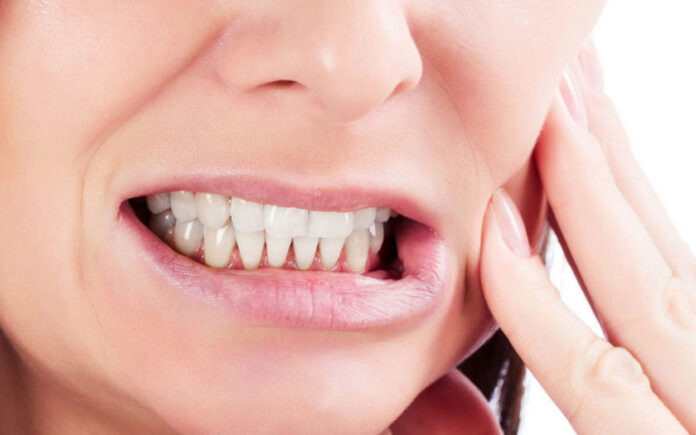

Stress-related teeth grinding often develops quietly, which is one reason so many people do not realize how much it is affecting their mouths until the signs become harder to ignore. A person may wake with jaw tightness, notice headaches near the temples, or feel that certain teeth are more sensitive than they used to be. Over time, these small clues can lead to worn enamel, discomfort when chewing, and a smile that no longer feels as strong or comfortable as before. A dentist matters in this situation because early attention can help protect teeth before daily pressure turns into lasting damage and more invasive treatment later.
What grinding can change
- A Dentist Helps Identify Damage That Patients May Not Notice Yet
One of the biggest reasons a dentist matters during stress-related teeth grinding is that the earliest signs often develop in places patients cannot easily see on their own. The biting edges of the teeth may start to flatten, the enamel may begin wearing thin, and the pressure from clenching can affect how the upper and lower teeth meet throughout the day. Someone may think they only have a little morning soreness, yet their smile may already show the effects of repeated nighttime grinding or daytime clenching. A dentist can recognize patterns of wear, areas of enamel loss, and muscle tension that point to an ongoing habit rather than an isolated complaint. Comprehensive general dentistry care also makes it easier to detect these early signs before they develop into more serious problems, allowing patients to receive preventive care and personalized treatment recommendations that help protect their long-term oral health. That matters because teeth grinding often becomes easier to treat when it is identified before cracks, chips, or bite changes begin shaping everyday comfort. Instead of waiting for obvious damage, patients can get a clearer picture of what their mouths are already experiencing and what should be done to limit further strain.
- A Dentist Connects Jaw Discomfort, Tooth Wear, and Daily Stress Patterns
Many patients do not immediately connect stress, sleep habits, and tooth discomfort, especially when the symptoms appear in different ways. A person may have jaw tightness one week, tooth sensitivity the next, and headaches after sleep without realizing all of those signs may be part of the same grinding pattern. That is where a dentist becomes especially helpful. A patient visiting a Franklin, WI Dentist may first come in thinking the problem is one sore tooth, when the larger issue is the repeated pressure being placed across the bite as a whole. A dentist can help connect these pieces by examining how the teeth meet, where the strongest pressure points are, and whether the smile shows wear consistent with stress-related clenching or grinding. This kind of evaluation matters because people often try to solve the symptoms one by one, using pain relievers, avoiding certain foods, or hoping the discomfort passes. A dentist helps move beyond that temporary response and toward a fuller understanding of how the mouth is reacting to tension over time.
- Protecting the Teeth Means Protecting the Bite Too
Stress-related teeth grinding does not only wear down enamel. It can also affect how the bite functions throughout the day. When certain teeth are subjected to repeated pressure, they may become more sensitive, feel slightly different during chewing, or begin to take on more force than they were meant to handle. Over time, this can make the mouth feel less balanced. Some patients begin to avoid one side while eating, hold their jaw differently, or notice clicking and fatigue that seem unrelated at first. A dentist helps because protecting the smile means considering the whole system, not just one worn tooth. If the bite is no longer meeting evenly or certain teeth are carrying too much pressure, the problem can keep growing even when the person is trying to be careful. Dental care matters here because it helps preserve both function and appearance. A stronger plan can reduce daily strain, protect vulnerable surfaces, and help the smile feel more natural and less overworked during speaking, chewing, and rest. Stress-related grinding often feels easy to dismiss until visible damage appears, but early dental attention can change the path of the problem. A dentist can spot wear patterns before they become severe, explain how the pressure is affecting the bite, and help patients take practical steps to reduce future harm. This shorter point matters because the mouth often gives warning signs long before a person chips a tooth or feels constant pain. Catching the issue early can protect enamel, improve comfort, and reduce the chance that stress-related grinding will quietly shape the smile for months or years without a clear plan.
- Dental Support Can Help Patients Avoid More Serious Damage Later
One of the most practical reasons to involve a dentist is that grinding tends to build damage gradually and then reveal it all at once. A tooth may suddenly chip, an old filling may become vulnerable, or one area of the mouth may begin feeling much more sensitive after weeks or months of pressure. When that happens, patients often feel surprised because the grinding itself may not have seemed dramatic. A dentist helps prevent that kind of late discovery by monitoring the smile before visible problems turn into more complicated repair needs. This is especially important for patients who grind during sleep and may not even realize the habit is happening consistently. Dental guidance can help them understand how repeated force affects different teeth, where the smile is already under strain, and what protective approach makes sense for the stage of wear they are experiencing. That kind of support is valuable because it shifts the focus from reacting to damage after it appears to preserving as much healthy tooth structure as possible while the smile is still in a stronger position.
- A Healthier Smile Often Starts With Understanding the Pattern
A dentist also matters because stress-related teeth grinding is rarely only a tooth problem. It is often part of a broader pattern involving tension, sleep disruption, workday habits, or unconscious clenching during stressful moments. Dental care does not replace broader stress support, but it can play an important role in showing patients how their mouths are responding physically to what their bodies are carrying. That awareness often helps people take the issue more seriously. A person who thought they were simply waking with a sore jaw may begin to understand that their smile is absorbing more pressure than it can comfortably manage. A dentist can help explain the pattern in concrete terms, which often makes it easier for patients to follow through with protective recommendations and be more aware of what their mouths are doing throughout the day. That clarity matters because protecting a smile is easier when the person understands not only that grinding is happening but also how it affects comfort, function, and long-term dental health.
Protecting the Smile Before Stress Leaves a Permanent Mark
A dentist helps patients protect their smiles during stress-related teeth grinding by identifying early wear, linking symptoms to the root cause, and helping reduce the pressure repeated clenching can place on teeth and jaws. What may begin as minor soreness or sensitivity can gradually affect enamel, bite comfort, and daily function if left alone for too long. Dental care matters because it makes a hidden habit visible, understandable, and more manageable. When patients receive care and support, they have a better chance of preserving both the appearance and strength of their smiles over time.