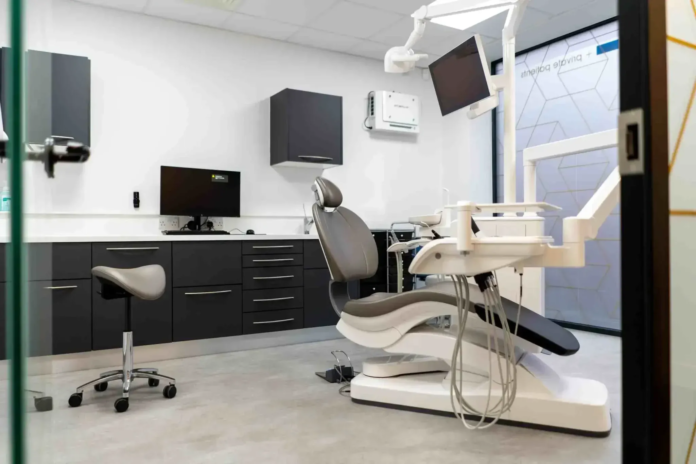

First impressions in a dental practice begin well before a patient sits in the chair. The physical space itself, from entrance to treatment room, shapes how anxious or at ease a patient feels, and that experience has a measurable effect on how willing people are to return for follow-up care. Thoughtful Dental Refurbishment goes beyond appearance by creating an environment that supports comfort, confidence, and efficient care for both patients and clinical teams.
The Entrance and Reception Set the Tone
The first few seconds inside a practice do a great deal of work. A cluttered, dated reception area signals neglect, even if the clinical care behind it is excellent. A clean, well-lit entrance with a calm layout communicates competence before a single word is exchanged. Reception design also affects practical flow: clear sightlines and sensible furniture placement reduce the sense of crowding that can heighten anxiety in patients who are already nervous.
Creating a Positive First Impression
Patients begin forming opinions the moment they walk through the door. Modern finishes, organised reception desks, comfortable seating, and welcoming lighting all contribute to a sense of professionalism. Clear signage and uncluttered layouts also make navigation easier, helping patients feel more relaxed rather than uncertain about where to go or what to expect before their appointment begins.
The Waiting Area Is Where Anxiety Often Builds
For many patients, the waiting room is the most stressful part of the entire visit. Sitting with uncertainty, sometimes within earshot of clinical sounds from treatment rooms, tends to amplify existing nerves. Thoughtful dental surgery refurbishment addresses this directly through sound insulation, comfortable seating, and layouts that keep waiting areas visually and acoustically separate from active treatment spaces.
Designing Spaces That Encourage Calm
Small environmental improvements can have a significant psychological effect. Comfortable furniture, natural light, calming décor, and carefully selected colours help create a more welcoming atmosphere. Providing privacy between waiting patients, reducing unnecessary noise, and ensuring the space feels open rather than crowded all contribute to lowering stress before treatment even begins.
Small Design Choices with Outsized Effects
Details such as natural light, muted colour palettes, and the absence of visible clinical equipment in waiting areas all contribute to a calmer atmosphere. None of these choices are expensive in isolation, but together they shift how a space feels the moment someone walks in.
Attention to Detail Improves Comfort
Simple design elements often have the greatest impact. Soft furnishings, discreet storage, indoor planting, and clear organisation reduce the clinical appearance that many patients associate with anxiety. Even subtle improvements, such as better ventilation or carefully positioned artwork, help create a more reassuring environment without affecting the practical function of the practice.
The Treatment Room Balances Design with Function
Treatment rooms carry the dual challenge of needing to feel calm while remaining fully functional for clinical work. Layout plays a significant role here: instrument trays and equipment positioned outside a patient’s direct line of sight reduce unnecessary anxiety, while adequate space around the chair prevents the room from feeling cramped or clinical in the wrong way.
Lighting deserves particular attention. Harsh overhead lighting tends to heighten discomfort, whereas softer, adjustable lighting paired with targeted task lighting for procedures achieves both comfort and clinical precision. Noise control matters just as much; poorly insulated walls allow sound from adjacent rooms to travel, which can unsettle patients waiting nearby or undergoing treatment themselves.
Supporting Both Patients and Clinicians
A well-designed treatment room benefits everyone using it. Patients feel more comfortable when equipment is neatly organised and unnecessary clutter is hidden from view. At the same time, dentists and nurses can work more efficiently when instruments, storage, and technology are positioned to support smooth clinical workflows. Good design therefore improves both patient confidence and treatment efficiency.
Refurbishment Also Improves Staff Workflow
While patient comfort is the most visible benefit, refurbishment also affects staff efficiency in ways that indirectly shape patient experience. A well-planned layout reduces unnecessary movement between rooms, keeps equipment within easy reach, and minimises the kind of clutter that slows down appointments. Staff working in a well-organised space tend to move through procedures more smoothly, which shortens wait times and reduces the sense of rush that can make patients uneasy.
Efficient Spaces Improve Daily Operations
When surgeries, sterilisation areas, storage, and consultation rooms are arranged logically, staff can work more effectively throughout the day. Reduced walking distances, improved storage systems, and easier access to equipment help minimise interruptions during treatment. These operational improvements not only increase productivity but also create a calmer atmosphere that patients naturally notice.
Planning a Refurbishment with Both Goals in Mind
The most effective Dental Surgery Refurbishment projects treat design and function as connected rather than competing priorities. A visually calming space that hampers clinical workflow ultimately undermines patient experience just as much as a purely functional space that feels cold and clinical. Getting the balance right requires input from both design and clinical perspectives from the earliest planning stages, rather than treating aesthetics as an afterthought once the functional layout is finalised.
Key Priorities for Successful Refurbishment
- Reception areas that feel calm reduce anxiety before appointments even begin.
- Waiting areas separated acoustically and visually from treatment rooms ease pre-appointment stress.
- Treatment room layout affects both patient comfort and clinical efficiency.
- Lighting and noise control are frequently underestimated in their impact on experience.
- Practical workflows and welcoming interiors should always be planned together.
Design as an Investment in Trust
Patients form judgements about a practice’s quality well before any clinical work begins, and those judgements influence whether they return, recommend the practice, or choose another provider. Thoughtful refurbishment creates an environment that supports confidence, comfort, and efficient clinical care from the first impression through to the end of treatment. Divo Interiors approaches every project with this balance in mind, delivering surgery refurbishment solutions that strengthen patient trust while supporting the day-to-day needs of modern dental practices.
Author Bio: UV Jadeja
UV Jadeja, the head honcho at Divo Interiors Ltd in London, has spent a significant number of years in the commercial fit-out and refurbishment industry, specialising in dental practices. Under his leadership, the company has designed and renovated clinics of some of the most well-known dental practices in the country. He often shares his insights & extensive industry knowledge with the general public through engaging blog posts.