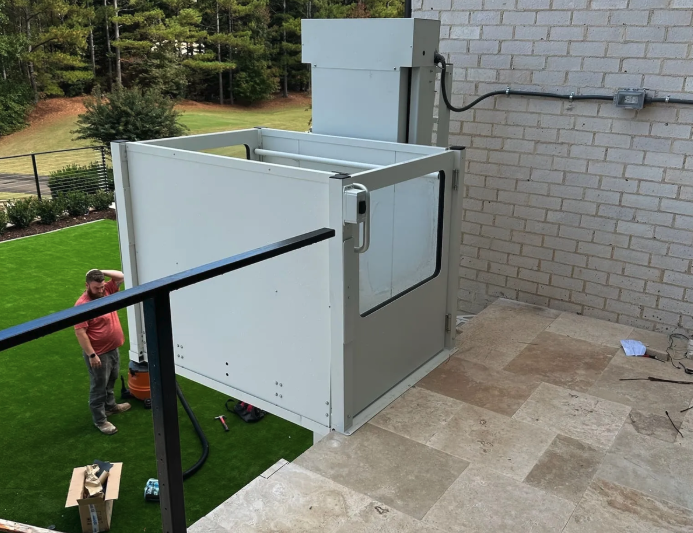

Entry steps, split levels, and raised porches create daily obstacles that rarely register until someone in the household starts using a wheelchair or scooter. A platform lift for home by Luxury Home Elevator addresses those short rises directly, carrying a person and their mobility device on an open or enclosed platform without the structural demands of a full elevator shaft. The equipment needs far less space than most people assume and adapts to indoor landings as readily as exterior entries. Its value shows over years rather than months, as a house stays fully usable through changing circumstances.
Access That Includes Mobility Devices
The defining advantage of platform equipment is that it carries the device along with the person. Someone using a power wheelchair or scooter rolls on, travels, and rolls off without transferring to a seat, which removes the step that causes most difficulty and most falls. Platform dimensions accommodate standard and heavy duty chairs, and non-slip surfaces with raised edges keep wheels positioned safely during travel. That single capability makes the difference between a house someone can navigate independently and one requiring assistance several times a day.
Modest Space and Construction Requirements
Compared with a cab elevator, platform equipment asks very little of the structure. Most residential units need only a level pad or shallow pit, a mast anchored to an adjacent wall or footing, and a dedicated electrical circuit. There is no hoistway to frame, no machine room to surrender, and usually no reconfiguration of interior rooms. That restraint keeps both cost and construction time well below a full elevator project, which often makes the difference for households addressing an immediate need in an existing home.
Choosing Between Platform and Seated Equipment
Selecting the right category depends on who uses the stairs and what they need to bring along. A Luxury Home Elevator indoor chair lift suits a household where one person navigates a single flight on foot but needs support doing so, and where no wheelchair has to travel with them. Platform equipment becomes the better answer when a mobility device must make the trip or when more than one person needs access. Assessing that distinction honestly at the outset prevents an expensive correction two or three years later.
Durability in Outdoor Installations
Many of these installations sit outside, serving front entries, decks, and garage landings exposed to weather year round. Units built for exterior placement use powder-coated or galvanized components, sealed control housings, and drainage that sheds water away from moving parts. Heaters and covers protect controls in colder climates where ice would interfere with operation. Equipment specified correctly for its exposure keeps running through seasons of rain, heat, and freezing temperatures with nothing more than routine inspection.
Straightforward Operation for Every User
Controls on residential platform equipment are deliberately simple, using constant pressure buttons that stop travel the instant they are released. Call stations at each landing let someone summon the platform without assistance, and key switches restrict use where children are present. Obstruction sensing beneath the platform halts movement if anything enters the path, and gates lock automatically during travel. Operation this direct means visiting family and caregivers need no training before using the equipment safely.
Value That Holds Over Time
Accessibility equipment installed well tends to outlast the circumstance that prompted it. Households that add a lift during recovery from surgery frequently keep it for the convenience of moving groceries and heavy items between levels. Properties fitted with permanent access also appeal to a wider range of buyers, particularly where residents intend to stay as they age. Maintained on a regular schedule with documented inspections, quality equipment operates dependably for decades.
Conclusion
Short rises inside and outside a house create limitations out of proportion to their height, and resolving them changes how much of a property stays available. Equipment carrying both a person and their mobility device, installed with attention to exposure and controls, removes those barriers without extensive construction. Professional assessment and scheduled maintenance keep the installation performing safely well beyond the situation that first prompted it, which is what turns a practical purchase into lasting value.