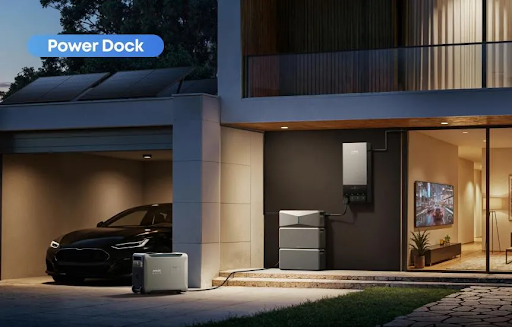

A home battery system stores electricity for later use, helping households maintain power during outages and manage energy consumption. Over time, however, battery capacity can decline because of temperature extremes, charging patterns, and everyday operating conditions. Consistent care helps protect usable capacity, maintain reliable performance, and support the system’s expected service life. By following the manufacturer’s recommendations, monitoring system performance, and keeping the installation environment suitable, homeowners can reduce avoidable battery stress and get more value from their home energy storage investment.
Daily Habits That Protect Capacity
Follow the Battery’s Recommended Charge Settings
Use the charging settings recommended by your battery manufacturer rather than choosing limits based on guesswork. These settings account for the battery’s chemistry, operating characteristics, and intended use. If your system offers adjustable charging limits, reserve settings, or operating modes, configure them according to the product manual and your household’s energy needs. Avoid changing advanced settings without understanding their purpose. Correct configuration helps prevent unnecessary battery stress while maintaining sufficient stored energy for everyday consumption and backup power when an outage interrupts the electricity supply.
Keep the Battery Within Its Temperature Range
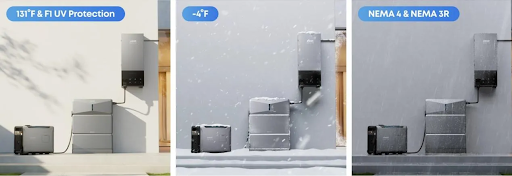
Temperature management plays an important role in preserving battery capacity. Excessive heat can accelerate chemical aging, while charging in temperatures below the permitted range may damage certain battery chemistries. Check the manufacturer’s specified operating and charging temperatures, and position the system in an approved location with suitable environmental protection. Avoid placing the battery near heat sources or exposing it to direct sunlight when the installation guidelines prohibit this. If your system reports a temperature warning, follow its instructions instead of ignoring the alert or attempting unapproved adjustments.
Avoid Prolonged Low or Full Charge States
Leaving a battery at a very low or very high state of charge for extended periods can contribute to unnecessary stress, depending on its chemistry and management system. Follow the manufacturer’s guidance on minimum reserves, charging limits, and storage levels, particularly when you expect to leave the property for an extended period. If your system supports scheduled charging or reserve management, use those features as directed. For backup applications, maintain enough stored energy to meet your essential needs without routinely overriding recommended limits. Appropriate charge management helps balance readiness with long-term battery health.
Three More Habits for Long-Term Battery Health
Track Capacity, Energy Output, and Alerts
Review your battery’s monitoring dashboard regularly to understand how much energy it stores, delivers, and retains over time. For a battery backup for home, tracking these metrics helps you assess whether the system can meet your household’s energy needs during an outage. Compare performance across similar conditions rather than drawing conclusions from a single day, since weather, household consumption, and solar generation can affect results. Pay attention to unexpected changes in usable capacity, unusual energy losses, warning messages, or repeated interruptions. Record significant issues and consult the manufacturer’s troubleshooting guidance when readings fall outside expected ranges. Early attention to abnormal patterns can help identify configuration problems or service needs before they disrupt normal operation.
Keep Airflow and the Battery Area Clear
Maintain the clearance specified in your installation manual, so the battery can operate under appropriate conditions. Keep vents, cooling pathways, and nearby equipment unobstructed, and avoid storing boxes, cleaning supplies, or other household items around the system. Dust and debris should be addressed according to the manufacturer’s cleaning instructions, without opening the enclosure or interfering with electrical components. For outdoor installations, check that vegetation and accumulated debris do not block designated airflow paths or drainage areas. A clean, accessible installation space supports proper operation and makes routine visual inspections easier.
Follow Approved Updates and Service Guidance
Use only manufacturer-approved software updates, maintenance procedures, and service recommendations. Updates may address system compatibility, monitoring, controls, or operational issues, but homeowners should follow the release instructions and confirm that an update applies to their equipment. Never bypass protective features or attempt internal battery repairs without appropriate qualifications. If the system repeatedly displays faults, loses communication, or shows unexplained performance changes, contact an authorized service professional. The Anker SOLIX E10 Whole-Home Backup features premium waterproofing and thermal protection designed to withstand blizzards, heatwaves, and other challenging weather conditions. These protective features support environmental resilience, while proper installation and manufacturer-directed care remain essential.
Conclusion
Protecting home battery capacity starts with consistent, practical habits: use recommended charging settings, maintain suitable temperatures, avoid prolonged extreme charge states, and monitor performance for unusual changes. Keeping the installation area clear and following approved updates and service guidance also help support reliable operation over time. When evaluating a battery backup for home use, consider both its intended operating environment and the maintenance guidance provided by the manufacturer. Routine attention cannot eliminate natural battery aging, but it can reduce avoidable stress and help homeowners make better use of their stored energy.