
You can care deeply about your child’s health and still dread brushing time. That tension is real. One child runs away, another bites the toothbrush, and by bedtime you are too tired to turn two minutes of brushing into a full negotiation. Oral care often slips into the same category as shoes, homework, and getting out the door on time. It matters, but it does not always feel easy. If you need extra support, a dentist in Jackson Heights, Queens, NY can help make the process feel more manageable.
The good news is that daily dental habits do not have to feel like a battle. Small changes in routine can turn brushing and flossing into something your child expects instead of resists. When home care feels playful, kids tend to cooperate more, parents spend less energy pushing, and the whole family gets a steadier path toward healthy teeth and gums. These 5 ways families can make oral care a fun daily activity work because they meet children where they are, which is usually somewhere between curious and distractible.
Family oral care routines work better when they feel shared
Children notice tone before they listen to instructions. If brushing sounds like a punishment, they respond like it is one. If it feels like a normal family habit, they settle into it more easily. That does not mean every night becomes peaceful overnight. It means the goal shifts from forcing compliance to building rhythm.
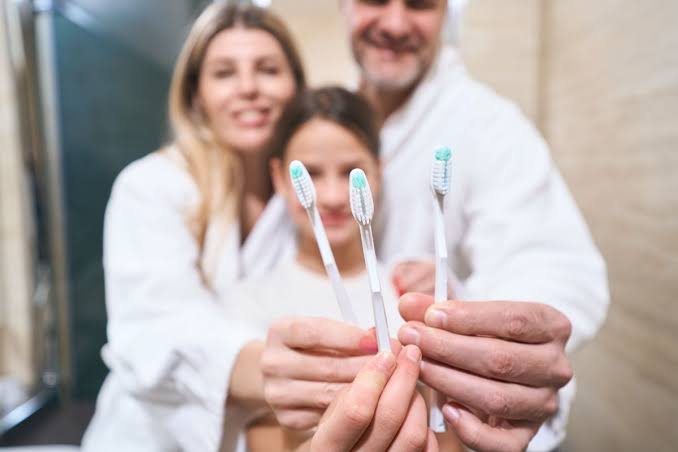
A simple place to start is brushing together. Young children copy what they see, and older children often do better when the routine feels less like they are being singled out. Stand at the sink together, brush at the same time, and keep the mood light. You are not putting on a show. You are showing that tooth care is just part of what the family does every day.
Parents often assume the problem is attitude, when the real issue is boredom. Two minutes can feel long to a child. That is why many fun oral hygiene activities for kids work so well. They give structure to time that otherwise feels empty.
Music, stories, and small choices make brushing less of a struggle
One of the easiest ways to make brushing more enjoyable is to pair it with something your child already likes. A two minute song can act as a timer without sounding like an order. A silly brushing story can hold a preschooler’s attention long enough to finish the job. Some families use a “sugar bug chase” story where the toothbrush sweeps every corner to catch hidden bugs before bed. It sounds simple because it is, and simple usually lasts longer than complicated reward systems.
Choice also matters. Children push back less when they feel some control. Let them choose between two toothbrush colors, pick the song, or decide whether to brush top teeth or bottom teeth first. You still guide the process, but the routine stops feeling like something being done to them.
For younger children, the [American Academy of Pediatrics offers practical toothbrushing tips for young children](https://www.healthychildren.org/English/healthy-living/oral-health/Pages/Toothbrushing-Tips-for-Young-Children.aspx) that support this stage. The basics stay the same. Use a small amount of fluoride toothpaste, supervise closely, and keep expectations age appropriate.
Visual routines and tracking build consistency for daily dental care
Kids do well with routines they can see. A brushing chart on the bathroom wall, stickers for morning and night, or a simple checklist by the sink can take some of the emotion out of the process. Instead of repeating reminders, you can point to the next step. That lowers friction, especially when your child is tired or already overstimulated.
Tracking works best when it stays encouraging. A chart should mark effort and consistency, not perfection. If a child misses a night, the answer is not shame. It is returning to the habit the next morning. That steady tone teaches that caring for teeth is normal, not a test they can fail.
The [CDC’s oral health tips for children](https://www.cdc.gov/oral-health/prevention/oral-health-tips-for-children.html) reinforce that daily brushing with fluoride toothpaste, flossing when teeth touch, and regular dental care all work together. Home habits matter most when they are consistent enough to become automatic.
Healthy snacks and water support a fun and realistic home routine
Oral care does not begin and end at the sink. The rhythm of the day affects teeth more than many families realize. Frequent sipping on juice, sticky snacks between meals, and grazing all afternoon can keep sugar on the teeth longer. Then brushing has to work harder to catch up.
This is where families often feel stuck. You do not want every snack to become a lecture. It helps to keep the message simple. Water is the default drink. Crunchy fruits and vegetables can be better snack choices than sticky sweets. Treats are easier on teeth when they happen with meals instead of lingering across the day.
For younger children, the [HRSA guidance on oral health for young children](https://www.hrsa.gov/oral-health/young-children) gives a strong foundation for early habits. The earlier these routines feel normal, the less resistance many families face later.
Small habit changes at home can make family dentist visits easier
When brushing at home is always tense, dental visits can carry that same stress. Children who feel rushed or corrected every night may come into appointments already defensive. On the other hand, when oral care is framed as familiar and manageable, a visit with a family dentist often feels less intimidating.
| At-Home Approach | What It Often Feels Like | Likely Result Over Time |
|---|---|---|
| Brushing only when a parent remembers to enforce it | Unpredictable and tense | More resistance and skipped sessions |
| Brushing tied to music or a bedtime routine | Familiar and expected | Better consistency and less arguing |
| Using fear about cavities to gain compliance | Stressful and heavy | Short term results, more anxiety |
| Using stories, choice, and praise for effort | Supportive and engaging | Stronger long term habits |
This is the heart of making oral care fun for children. The point is not entertainment for its own sake. The point is repeatable habits that protect teeth without turning the bathroom into a battleground.
Three steps you can start tonight
Pick one anchor for brushing. Choose one thing your child can count on every time, such as the same song, the same story, or brushing right after pajamas. Repetition is what turns a task into a routine.
Give one real choice. Offer two toothpaste flavors, two toothbrushes, or the option to brush first and floss second or the reverse. Keep the choices small and clear so your child feels included without taking over the process.
Track effort for one week. Use a sticker chart, a calendar, or a simple check mark for morning and night. Praise showing up. If your child struggles, focus on getting back on track instead of making the missed session the main event.
Family routines rarely become easier because someone found the perfect script. They become easier because the pressure comes down and the habit gets simpler. If your home has felt tense around brushing, that does not mean you have failed. It means you need a routine your child can actually live with. A trusted dental team can help you build that routine and support your child’s smile as they grow. If you are ready for more guidance on children’s dental habits and preventive care, schedule a visit with a family dentist.