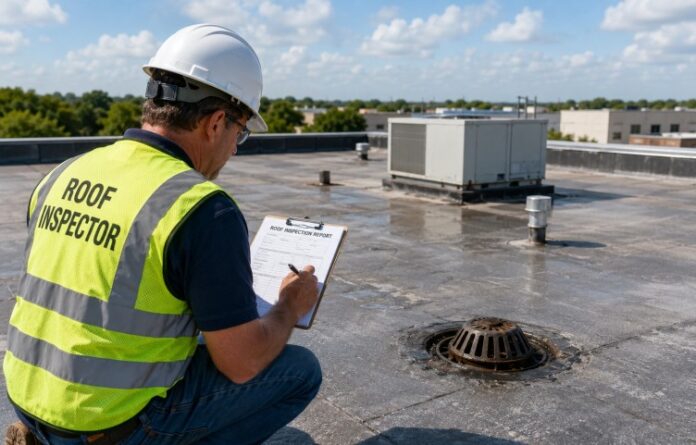

Key Takeaways
- Inspect the roof regularly, not only after leaks appear.
- Check the roof surface, drainage, seams, flashing, penetrations, and equipment areas.
- Look for interior signs of moisture, including stains, damp insulation, and peeling finishes.
- Use professional testing when hidden moisture or complex leaks are suspected.
- Schedule inspections after severe weather and major rooftop work.
- Keep detailed reports, photographs, repair records, and maintenance history.
- Prioritize repairs based on safety, leak risk, and potential impact on operations.
- Use inspection findings to guide maintenance, budgeting, restoration, or replacement decisions.
Commercial roof inspections help building owners identify manageable problems before they lead to disruptive leaks, damaged inventory, tenant complaints, or emergency expenses. A practical commercial roof inspection process at https://www.deltaservices.com/commercial-roof-inspection/ looks beyond the visible roof covering and considers drainage, flashings, rooftop equipment, interior warning signs, and maintenance history. The goal is not to assume every imperfection requires replacement. Instead, owners and facility managers should use inspections to document conditions, identify the source and urgency of concerns, and develop informed repair plans that align with the building’s risk level and budget.
Why Regular Roof Inspections Matter
A small puncture, loose seam, or failed sealant joint can allow water into the roof assembly long before a stain appears indoors. Regular inspections create a record of changes over time, help owners schedule repairs before they become urgent, and provide useful documentation for budgets, insurance discussions, and future property transactions.
What To Do Before The Inspection
Gather prior reports, roof plans, repair invoices, warranty requirements, tenant leak notices, and dates of major storms or rooftop work. The inspection team should know the roof’s approximate age, system type, access points, and known trouble areas before stepping onto the roof. This background helps separate a new issue from a recurring condition.
Start With Roof Access And Safety
Roof access should never be casual. Confirm that ladders, hatches, walk pads, and access routes are safe, and postpone work during lightning, high winds, ice, standing water, or poor visibility. Skylights, fragile panels, exposed wiring, and roof edges require special attention. OSHA guidance on fall protection for walking-working surfaces reinforces the need to evaluate hazards before employees perform roof work.
Check The Main Roof Surface
A visual review of the main roof surface should look for tears, punctures, cuts, blisters, ridges, cracks, open seams, loose material, and unusual surface changes. Inspect high-traffic paths near HVAC units and service areas closely. A small opening beside a service path may appear minor, but repeated foot traffic and temperature movement can enlarge it and create a leak path.
Review Drains, Scuppers, And Gutters
Drainage problems place extra stress on membranes, flashings, and structural components. Remove visible leaves, trash, branches, and loose materials where it is safe to do so. Check drains, scuppers, gutters, strainers, and downspouts for blockage, corrosion, separation, or missing components. Note areas where water remains after rainfall, then compare those locations with interior stains or exterior wall discoloration.
Inspect Flashing, Seams, And Penetrations
Many roof leaks begin at transitions rather than in the center of the field membrane. Review roof edges, coping, termination bars, curbs, vents, pipes, HVAC equipment, and transitions between roof sections. Look for lifting seams, cracked or missing sealant, loose flashing, and recent alterations caused by electrical, solar, signage, or mechanical work. Keep in mind that water can travel through layers of the assembly, so an indoor stain may not sit directly below the defect.
Look For Interior Signs Of Moisture
Roof inspections should include the upper interior spaces whenever possible. Watch for ceiling stains, peeling paint, damaged tiles, damp insulation, corroded fasteners, musty odors, and drips that occur only during heavy rain or snowmelt. The EPA’s guidance on controlling moisture in buildings supports addressing moisture conditions promptly rather than allowing repeated wetting.
When Advanced Testing May Help
A visual review is useful, but it cannot always reveal concealed moisture or explain a complicated leak. Additional assessment may be appropriate when the roof appears sound, but moisture is suspected, a repair scope is being developed, or replacement planning is underway.
- Moisture scanning: Helps identify possible wet insulation or hidden moisture patterns.
- Infrared review: May reveal temperature differences associated with wet areas.
- Core sampling: Examines roof layers and material conditions at a specific location.
- Adhesion or deck testing: Can help determine whether a planned repair or overlay is appropriate.
Any invasive test should be carefully planned, sealed correctly afterward, and recorded in the inspection report.
Inspect After Severe Weather
Schedule a prompt review after hail, high winds, severe thunderstorms, heavy snow, ice, falling branches, flooding, or intense rainfall. Photograph visible conditions from safe locations, record the storm date, document interior leaks, and protect contents from further damage. Before cleanup or temporary repairs change the scene, note affected seams, edges, drains, equipment, and penetrations.
Build A Useful Inspection Report
A strong report should give decision-makers a clear picture of the roof condition. Include the building name, roof section, inspection date, weather conditions, roof type, estimated age, labeled photos, observed defects, likely causes, moisture findings, recommended actions, and areas to monitor. Clear location labels make it easier to compare proposals and confirm that completed repairs addressed the original concern.
Rank Repairs By Risk
- Immediate: Active leaks, unsafe areas, exposed structural components, or defects likely to spread quickly.
- Near-Term: Open seams, failed flashing, blocked drainage, or wet materials requiring timely action.
- Planned: Aging surfaces, minor sealant failures, and upgrades that can be budgeted.
- Monitor: Stable conditions that need photos, measurements, and follow-up during the next review.
Create A 2026 Inspection Schedule
Inspection frequency should reflect roof age, exposure, condition, system type, maintenance history, and building use. Plan routine reviews before and after the most active local storm season, after major rooftop construction, and whenever occupants report water intrusion. Older roofs or roofs with repeated repairs often deserve closer monitoring than newer systems with reliable maintenance records.
Common Questions From Building Owners
How Often Should A Commercial Roof Be Inspected?
There is no single schedule for every property. Combine routine inspections with post-storm checks and reviews after significant equipment installation or roof work.
Can A Building Manager Inspect The Roof Alone?
Staff can document visible conditions from safe locations, but trained professionals may be needed for roof access, fall hazards, moisture testing, structural concerns, and difficult leak investigations.
Does An Inspection Mean The Roof Must Be Replaced?
No. The most appropriate next step may be cleaning, targeted repair, additional testing, scheduled maintenance, or long-term replacement planning.
What Should Happen If A Leak Is Found?
Document the location and conditions, protect interior contents, reduce further damage when safe, and arrange a timely assessment. Avoid undocumented changes that hide the original condition.
Final Takeaway
A commercial roof inspection is most effective when it is part of an ongoing building-care plan rather than a one-time response to a leak. Reviewing the roof surface, drainage systems, seams, flashing, penetrations, equipment areas, interior spaces, and maintenance records gives owners a more complete picture of the roof’s condition. Regular inspections can help identify developing problems early, prioritize repairs based on risk and urgency, and support more accurate maintenance budgeting. Keeping clear records of findings, photographs, repairs, and recurring concerns also helps facility teams track changes over time and make better decisions about restoration or replacement. With consistent attention and timely follow-up, owners have a greater chance of addressing small defects before they cause costly damage or disrupt daily operations.